Sesriem Canyon, often overshadowed by Namibia’s more famous natural wonders, is where the desert’s quiet majesty reveals itself in layers of time and stone. Tucked away near the small settlement of Sesriem, this deep gorge cuts through the arid landscape like a scar left by ancient forces, offering a glimpse into the raw, untamed beauty of the Namib. Unlike the crowded dunes of Sossusvlei or the dramatic coastline of the Skeleton Coast, this place feels like a secret—one that rewards those who seek it with solitude and a sense of connection to something far older than human memory.
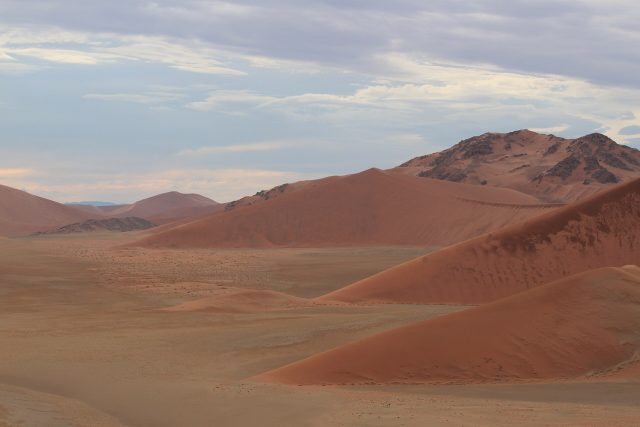
The canyon was carved over millions of years by the Tsauchab River, a waterway that now exists only in fragments, its once-powerful currents reduced to fleeting trickles after rare rains. The river’s patient work eroded the soft sandstone and shale, leaving behind steep walls that rise like the pages of a geological history book. Their colors shift with the light—ochre, rust, and gold blending into the earthy palette of the desert. For most of the year, the canyon is dry, its silence broken only by the occasional gust of wind or the distant call of a bird. But when the rains do come, usually between November and March, the riverbed briefly fills with water, and the parched landscape awakens in a burst of green. These moments are rare, unpredictable, and all the more precious for it.
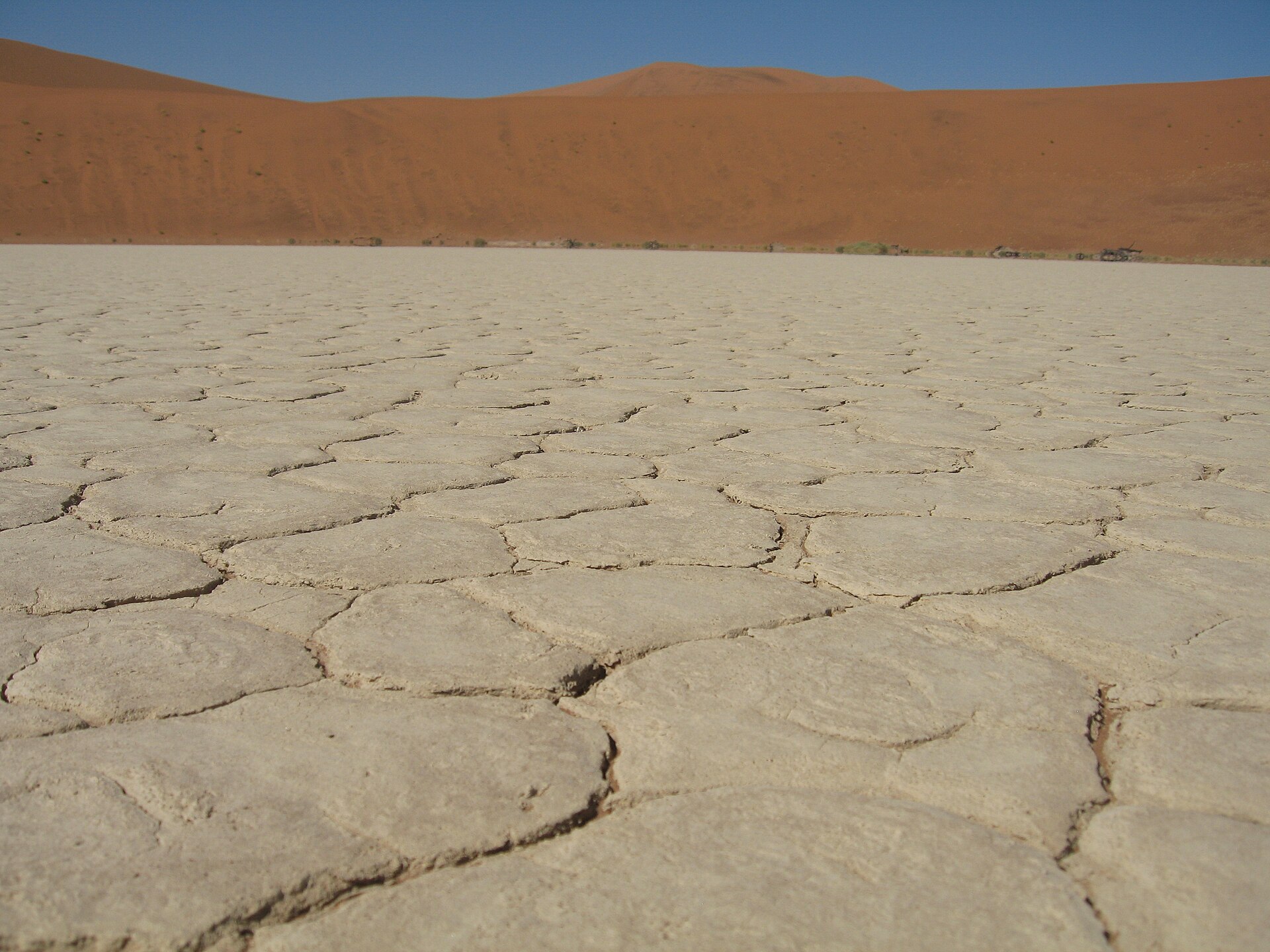
The name Deadvlei, or *Dödvlei* in the local Nama language, translates roughly to "dead marsh," a name that captures the stark contrast between the canyon’s fleeting moments of life and its long stretches of stillness. For the indigenous people of the region, this place held deep spiritual significance. Legends speak of rituals performed in its shadows and sacred sites hidden among its rocks. Archaeologists have uncovered traces of ancient human presence here—rock paintings, tools, and fragments of daily life—hinting at communities that thrived in this harsh environment thousands of years ago. While many of these artifacts now reside in museums, the canyon itself remains a living archive, its walls whispering stories of those who once called it home.
Reaching Deadvlei is straightforward for those already exploring the Namib-Naukluft National Park. The journey begins in Sesriem, a dusty outpost that serves as the gateway to the desert’s wonders. From there, a rough gravel road leads to the canyon’s edge, where a viewing platform offers the first sweeping view of the gorge below. For those willing to venture further, a narrow path descends into the canyon, winding down to the dry riverbed. Walking along its floor feels like stepping into another world—one where the rules of time and scale seem suspended. The air is cooler here, sheltered by the high walls, and the silence is so complete it almost hums. In the early morning or late afternoon, the light slants across the rocks, casting long shadows and painting the sandstone in warm, shifting hues.
The canyon’s mood changes with the sun. At dawn, the first light softens the edges of the cliffs, turning them a pale, almost ethereal pink. By midday, the colors deepen, the heat pressing down like a weight, and the shadows shrink to sharp, dark lines. But it’s at sunset that Deadvlei truly comes alive. As the sun dips below the horizon, the rocks glow like embers, their surfaces catching the last of the light in a final, fiery display. The air cools quickly, and the desert’s vastness feels even more pronounced, as if the canyon itself is breathing in the quiet of the evening.
Unlike many of Namibia’s more famous attractions, Deadvlei sees relatively few visitors. There are no tour buses, no souvenir stalls, no crowds jostling for the perfect photo. Instead, there’s space—space to sit on the edge of the gorge and watch the light play across the rocks, space to wander the riverbed without another soul in sight, space to feel the weight of the desert’s history pressing in from all sides. That said, the canyon isn’t entirely devoid of company. Hikers and photographers often make the journey, drawn by the promise of untouched landscapes and the chance to capture the desert’s fleeting beauty. For them, Deadvlei is less a destination than an experience—one that lingers long after the last grain of sand has been shaken from their boots.
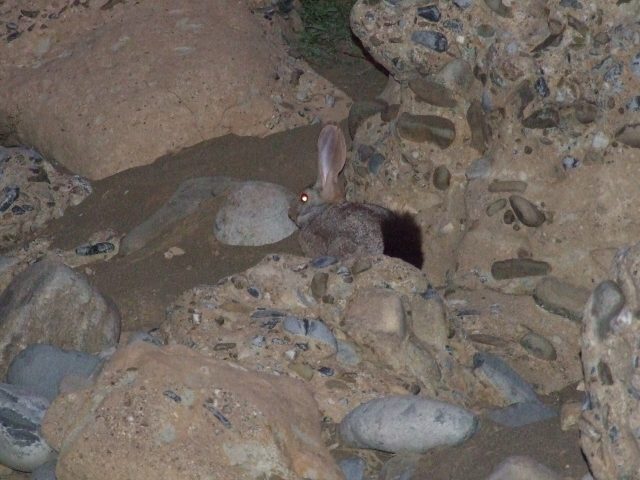
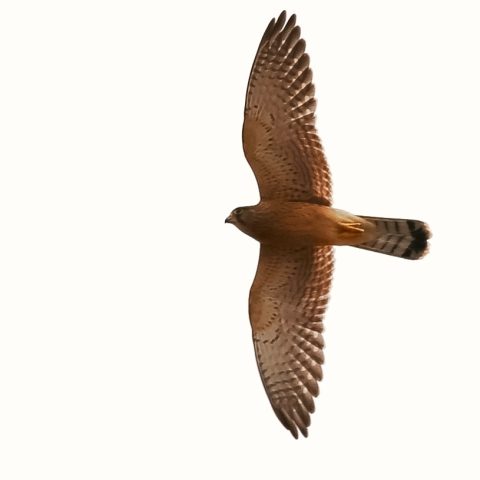
Yet for all its rugged beauty, Deadvlei is also fragile. The desert may seem lifeless at first glance, but it’s home to species found nowhere else on earth. The most famous of these is the welwitschia, a bizarre, ancient plant that can live for over a thousand years, its twisted, leathery leaves sprawling across the ground like something from a prehistoric era. Lizards, beetles, and even the occasional snake make their homes in the cracks and crevices of the canyon walls, each adapted to survive in a place where water is scarce and the sun relentless. Visitors are encouraged to tread lightly—sticking to marked paths, avoiding disturbing the wildlife, and leaving no trace of their presence. The desert’s silence is part of its magic, and it’s a silence worth preserving.
In a country known for its dramatic landscapes, Deadvlei is easy to overlook. It doesn’t have the towering dunes of Sossusvlei or the eerie shipwrecks of the Skeleton Coast, and it won’t appear on most postcards. But that’s precisely what makes it special. Here, there are no grand gestures, no man-made spectacles—just the slow, patient work of wind and water, shaping the earth over millennia. It’s a place that doesn’t demand attention but rewards those who give it. Whether you spend an hour or a day here, the canyon leaves an impression that’s hard to shake. Maybe it’s the way the light catches the rocks at sunset, or the way the silence settles into your bones. Or maybe it’s the quiet realization that some places don’t need to be loud to be unforgettable. Deadvlei simply is—and in a world that’s always rushing, that’s enough.