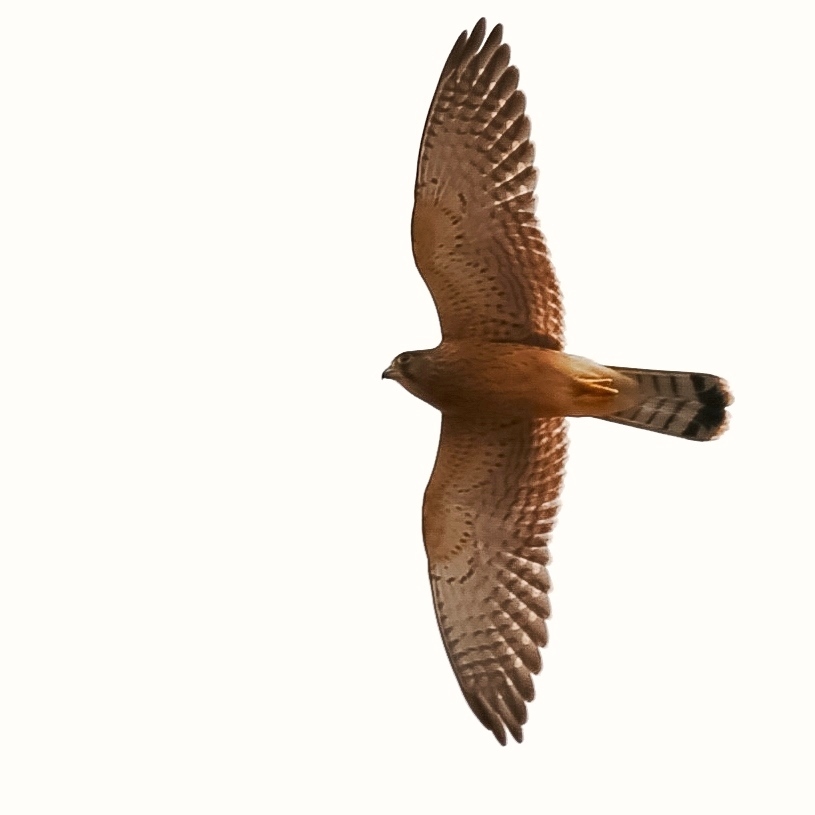
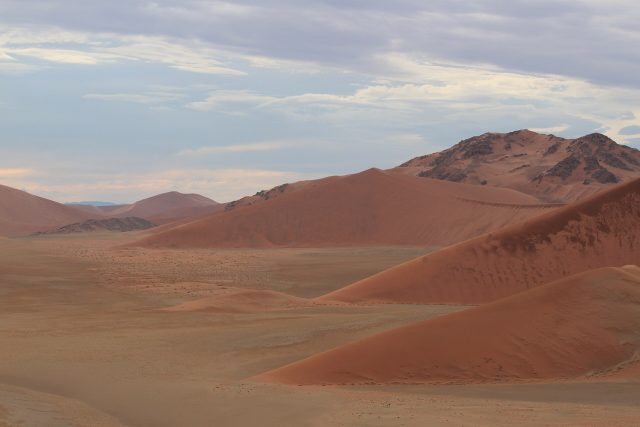
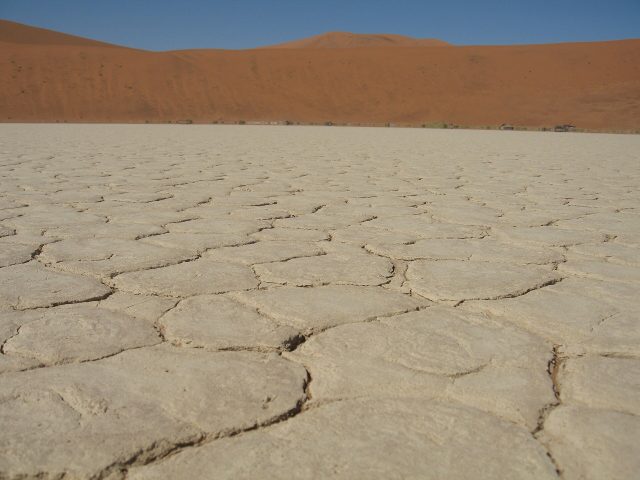
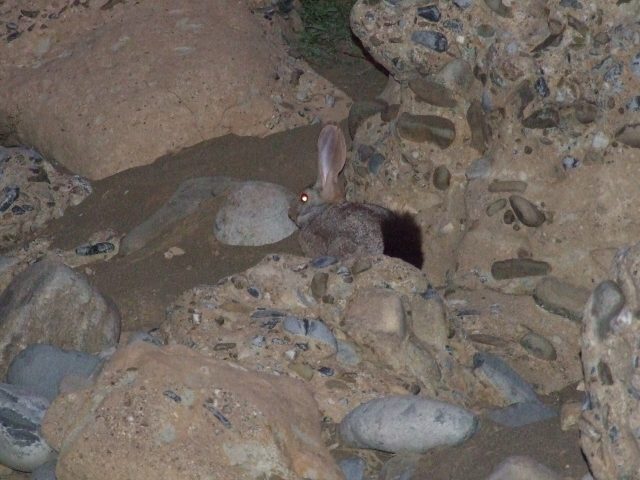
Sossus Dune Lodge sits where the Namib Desert reveals itself in all its quiet grandeur. Perched at the gateway to Namib-Naukluft National Park, it offers something rare: the chance to wake up surrounded by towering dunes that shift from blush pink to deep amber as the sun rises. There are no crowds here, no hum of city life—just the whisper of wind over sand and the occasional call of a distant bird. The lodge was built to blend into the landscape rather than dominate it. Its wooden structures and thatched roofs don’t compete with the dunes but seem to grow from them, while wide verandas invite you to watch the desert’s changing moods without leaving your room.
The history of this place is tied to the land itself. Namib-Naukluft is one of Africa’s oldest national parks, established in 1907 when Namibia was under German colonial rule. Back then, the desert was seen as a harsh, unforgiving place, but over time, people came to understand its fragile beauty. The Namib isn’t just endless sand—it’s a living ecosystem where plants and animals have adapted to survive in extreme conditions. The lodge arrived much later, in the early 2000s, when tourism in Namibia began to grow. It wasn’t designed as a luxury retreat but as a practical base for travelers who wanted to experience the desert without sacrificing basic comforts.
The architecture is simple but thoughtful. The cabins are made from wood and stone, materials that withstand the desert’s heat while blending into the surroundings. Thatch roofs keep the interiors cool, and large windows flood the rooms with natural light, making even the smallest spaces feel open. Inside, there’s nothing unnecessary—just a comfortable bed, a table, chairs, and a compact bathroom. The real luxury isn’t in the furnishings but in what lies beyond the walls. Each cabin is positioned to offer a view of the dunes or the vast desert expanse. At sunset, the sand seems to glow from within, a sight that lingers in your memory long after you’ve left.
This isn’t just a place to sleep—it’s a starting point for exploration. From here, it’s easy to set out on excursions into the park, whether to the famous Dune 45 or the Sesriem Canyon. Dune 45 gets its name from its location, 45 kilometers from the park gates, though it’s actually much closer—just a half-hour drive. It’s one of the most photographed dunes in the world, and for good reason. Its slopes are perfectly symmetrical, and the sand changes color with the light. Climbing to the top takes about an hour, but the view makes it worthwhile: endless dunes stretching to the horizon. The Sesriem Canyon tells a different story. Carved by the Tsauchab River millions of years ago, it’s a narrow gorge with steep walls that stay cool even in the midday heat. Local legends say people once took shelter here during droughts, though there’s no evidence to confirm it.
Life at the lodge follows the desert’s rhythm. Mornings start early, when the air is still cool and the light is soft, perfect for walks or game drives. By midday, the heat becomes intense, and most guests retreat to the shade of their verandas or the cool of their rooms. Evenings bring relief, a time to watch the sunset, listen to the sounds of the desert at night, or sit by a fire under a sky so dark you can see the Milky Way in all its brilliance. Namibia has some of the clearest skies on Earth, and here, the stars feel almost close enough to touch.
There are no gourmet restaurants or elaborate entertainment programs at Sossus Dune Lodge. The food is simple but satisfying—grilled game meat, fresh vegetables, and crusty bread, all part of Namibia’s hearty cuisine. Water is precious in the desert, so it’s used sparingly, but guests are never left without a cool drink or a cup of tea. The service is unobtrusive yet attentive, with staff who understand that people come here for solitude, not pampering.
One of the lodge’s biggest advantages is its location inside the national park. Guests can set out on excursions at any time without wasting precious hours driving from a distant town. But there’s a catch: the park gates close at sunset, and anyone who hasn’t returned by then must spend the night under the stars. It doesn’t happen often—most travelers plan their trips carefully—but it’s a reminder of how remote this place really is. For those who want to explore on their own, the lodge offers vehicle rentals or guided tours. Local guides know the park intimately and can share stories about everything from the geology of the dunes to the habits of desert wildlife.
Staying at Sossus Dune Lodge isn’t just about having a place to rest—it’s about experiencing the desert on its own terms. There are no televisions, Wi-Fi is unreliable, and cell service is spotty at best. But that’s part of what makes it special. Far from the noise of modern life, time slows down. You can finally pause, listen to the wind, and feel the vastness of the landscape around you. The desert doesn’t tolerate haste, and those who visit quickly learn to match its pace. There’s no room for rushing here—just sand, sky, and the quiet passage of time.
For many travelers, Namibia is a revelation, and Sossus Dune Lodge often becomes one of their most vivid memories. It’s a place where you can see how the desert lives, hear its breath, and feel its power. There are no crowds, no loud parties, no pushy service—just silence, space, and the sense that you’ve stepped into a world where time stands still. Maybe that’s why people keep coming back: to watch the sun rise over the dunes again, to see the shadows lengthen with each passing hour, and to remember what it’s like to be truly still.