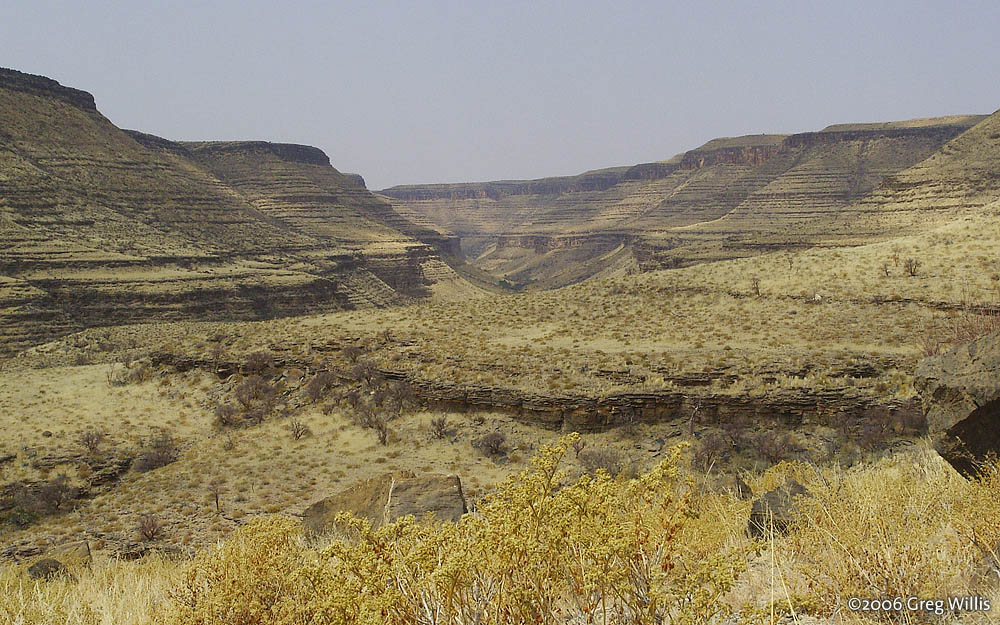
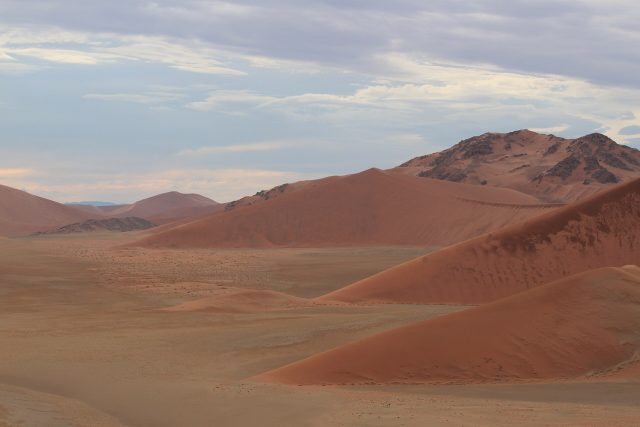
The Tsauchab River is one of those places in Namibia where time seems to stand still. At first glance, it’s just a dry riverbed winding through a rocky valley at the foot of the Naukluft Mountains. But look closer, and you’ll see that this landscape holds layers of history, geology, and the quiet beauty of the desert. When the rains come—not every year, but with enough force to reshape the land—the Tsauchab transforms into a raging torrent, sweeping away everything in its path. Locals know to stay clear when the river awakens, but even in drought, it doesn’t lose its allure. The winding bed, framed by red cliffs and sparse acacia trees, looks like a painting left unfinished by the earth itself.
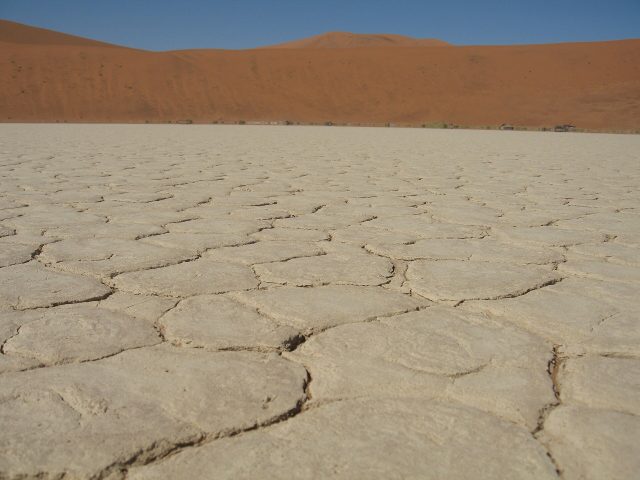
This isn’t just a dried-up river; it’s part of a vast ecosystem shaped over centuries by wind, water, and sun. The valley reveals unique geological formations—layered sandstone worn into strange shapes by erosion, boulders that seem scattered by some ancient hand. In places, the riverbed widens into flat expanses where water once pooled, sustaining life long enough for plants and animals to take hold. Today, these areas are covered in a thin layer of sand, but dig a little deeper, and you’ll find traces of the past: pebbles smoothed by water thousands of years ago.
For Namibia’s indigenous peoples, including the Herero and Nama, the Tsauchab has always been a vital landmark and lifeline. In a land where water is scarce, even temporary streams meant survival for livestock and communities. Pastoralists knew where to find moisture in the dry riverbeds and how to read the signs of rare rains. Today, the valley still carries echoes of those traditions. Near Sesriem, you might stumble upon old cattle posts or, in some places, ancient rock art left by the ancestors of those who still call this region home.
There are no grand monuments here, no man-made structures to marvel at. Instead, nature has crafted something far more striking. The cliffs along the Tsauchab shift in color with the light—soft pink at dawn, fiery red by midday, deep crimson as the sun sets. By dusk, the valley falls silent, broken only by the occasional call of a bird or the rustle of wind through dry shrubs. It’s a place for those who want to step away from the noise of cities and tourist trails, to stand in a landscape that feels untouched by time.
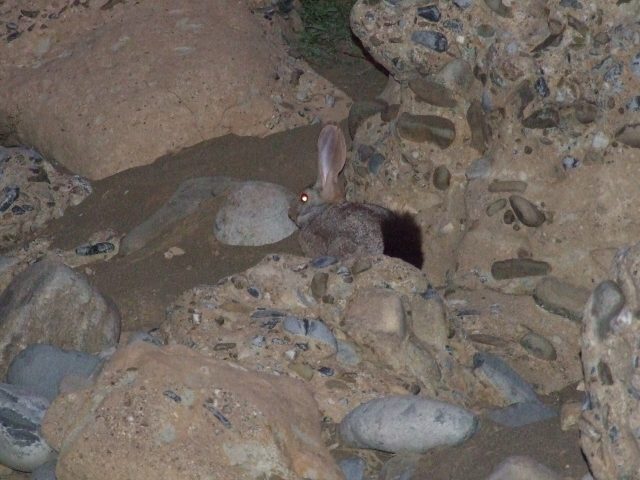
The Tsauchab also plays a crucial role in the region’s ecosystem. Though water appears only sporadically, life has adapted to the harsh conditions. Acacia thickets shelter antelope, while rock hyraxes—small, rabbit-like creatures that are actually distant relatives of elephants—hide among the boulders. When the rains do come, the valley bursts into life: birds return, insects emerge, and plants send up fresh green shoots. For scientists and naturalists, the Tsauchab is an open book on survival, showing how life persists in the most extreme environments.
Visitors to Sesriem often make their way to the river, either on guided tours or solo explorations. You can drive to the valley, but walking is the best way to take in the scale of the landscape. Local guides share stories about the geology, history, and culture of the area, pointing out rare plants and explaining how animals endure the desert’s challenges. Early mornings are especially magical here, when the air is cool and the light soft. The valley feels peaceful then, as if suspended in time.
The Tsauchab isn’t a place that dazzles you immediately. Its beauty unfolds slowly, like a story that needs to be read to the end. There are no flashy attractions or crowds, and that’s precisely what makes it special. It’s a reminder that nature doesn’t need excess to be magnificent, and that travel isn’t just about seeing new things—it’s about feeling part of something larger. In the Tsauchab Valley, time moves to its own rhythm, and those who take the time to listen leave with the sense of having visited a place where the earth still remembers the past.