Rideau Hall
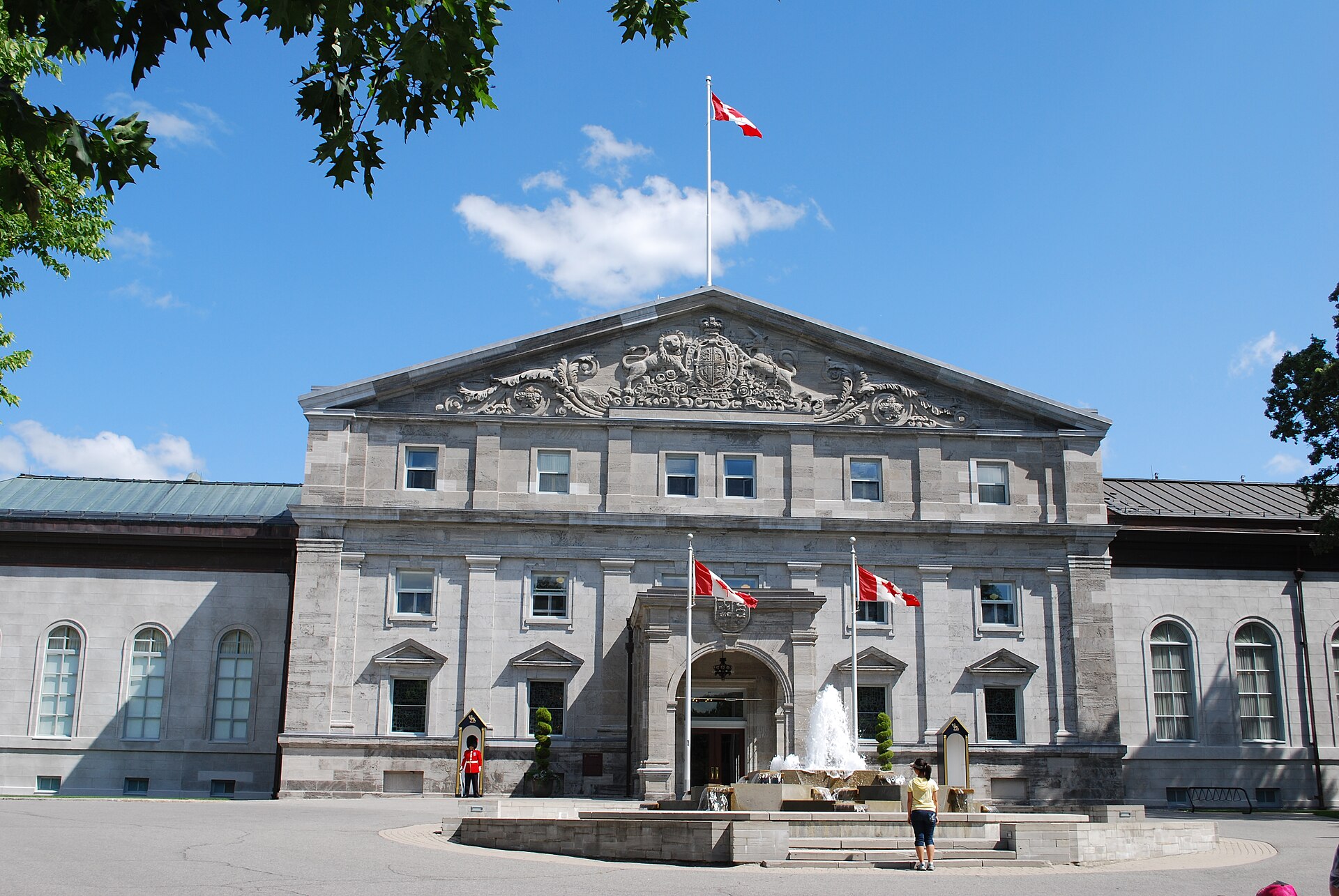
Rideau Hall sits along the Rideau River, where Canada’s past and present meet. For over 150 years, it has been the official residence of the governor general, a role that mixes ceremony with everyday life. It isn’t a palace—no gilded gates or towering facades. Instead, it feels like a home that grew into its duties, where state dinners and children’s parties share the same halls.
The house started as a private retreat in 1838, built by Thomas MacKay, a stonemason from Scotland who helped construct the Rideau Canal. Ottawa was then a lumber town, and MacKay’s choice of local limestone gave the building a solid look. The warm, golden stone still defines it today. When the government bought the estate in 1864, it was a practical move—Ottawa had just become the capital, and the country needed a place to host dignitaries. Over time, the house expanded, but it never lost its lived-in feel.
Architecturally, Rideau Hall has changed. The original structure followed Georgian lines, with tall windows and a central portico. Later additions, like the east wing in the late 1800s, added Renaissance Revival details. Inside, the state rooms reflect this history. The ballroom, with its plasterwork and chandeliers, hosts receptions, but the mood is more stately than grand. Portraits of past governors general line the walls, marking the role’s continuity.
Rideau Hall is unusual because it’s still a working residence. The governor general lives here, and each occupant shapes it differently. Some bring modern art, others tradition, but the core remains. It’s where foreign leaders are welcomed, ambassadors present credentials, and events range from formal dinners to community gatherings. In winter, the grounds turn snowy; in summer, the gardens open for visitors.
The grounds matter as much as the building. Laid out in the 19th century, some oak and maple trees have stood for over a hundred years. Paths lead to a gazebo by the river or a bridge over a stream. Spring brings blooms; fall turns leaves red and gold. The setting softens the house’s formality, making it feel like a retreat.
For Canadians, Rideau Hall symbolizes stability. Treaties have been signed here, speeches delivered that shaped the nation. But it’s also stayed connected to people. Governors general have hosted town halls, discussions on social issues, and cultural events. In the 1960s, talks on Indigenous rights happened here. Recently, it’s hosted art exhibitions and concerts. The role is ceremonial, but it still carries weight.
The grounds are open year-round. Anyone can walk the paths or see the gardens. Guided tours show the state rooms and their history. There’s no spectacle—just a chance to step into a place that has quietly witnessed Canadian history. It doesn’t demand reverence; it invites you to listen to its stories.