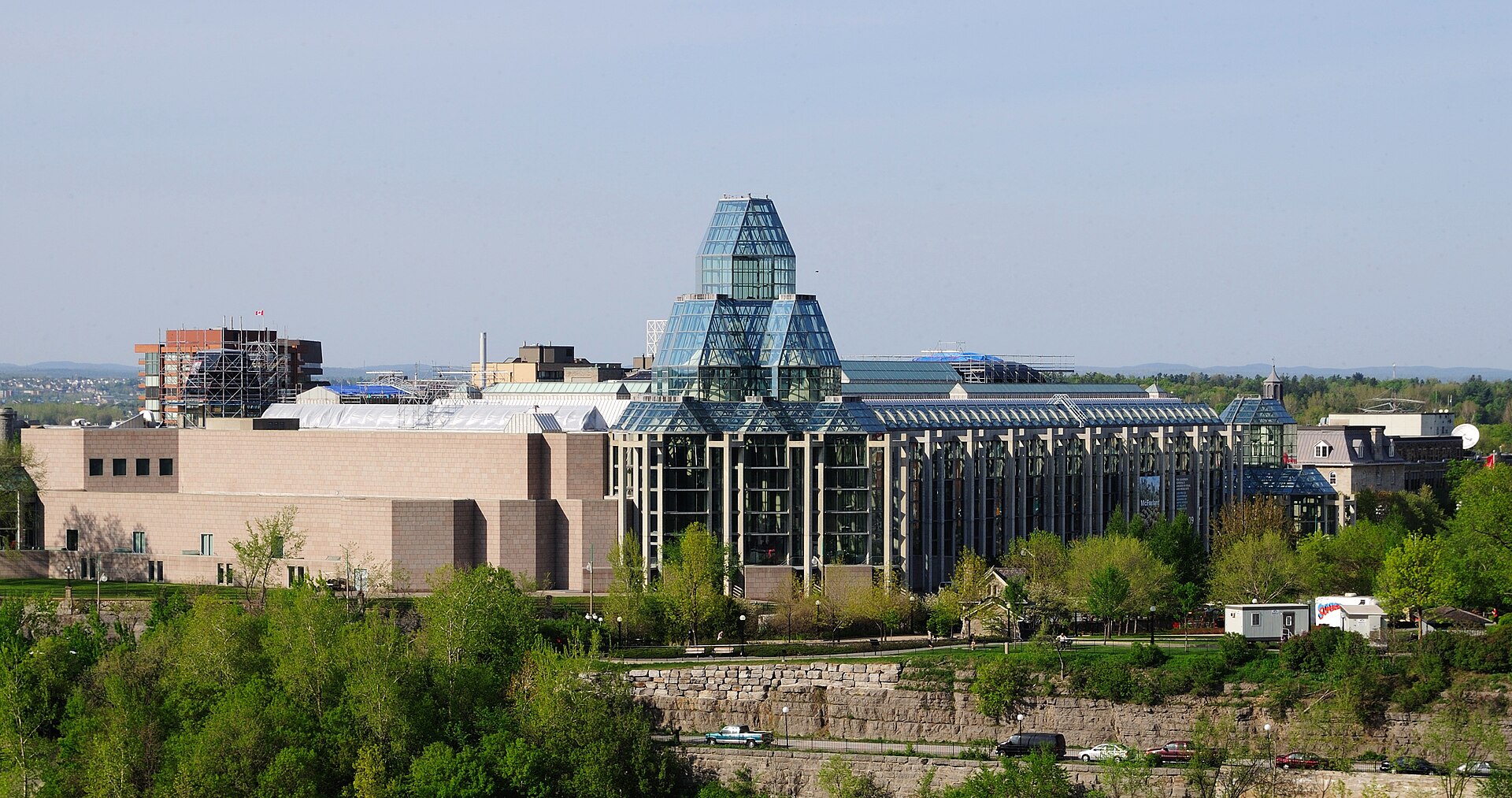
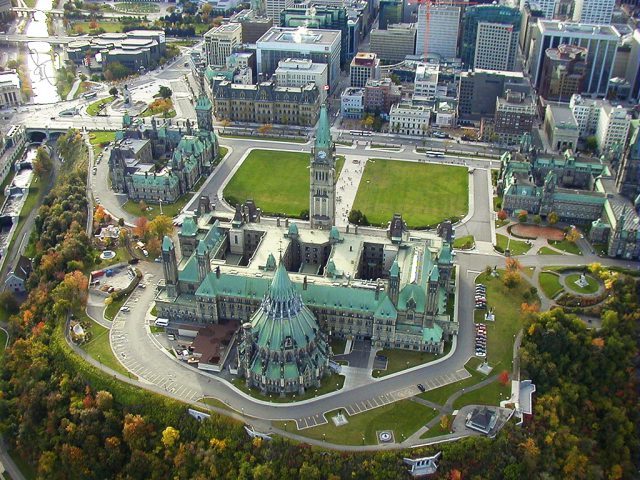
The National Gallery of Canada is one of those rare places where art doesn’t just hang on the walls—it feels alive, as if it’s breathing in time with the city around it. Perched on the banks of the Ottawa River, the gallery’s glass-and-steel structure stands as a striking contrast to the Gothic Revival architecture of nearby Parliament Hill. Designed by Israeli-Canadian architect Moshe Safdie, the building itself is a work of art, its jagged spires and asymmetrical forms evoking the raw beauty of Canadian landscapes. The vast glass panels dissolve the boundaries between inside and out, offering visitors glimpses of the river, the city skyline, or the quiet sculpture garden tucked within its walls. The design invites movement, encouraging people to wander freely through the galleries while staying connected to the world outside.
Founded in the late 19th century, the gallery emerged at a time when Canada was still defining its cultural identity. Its early collection was housed in the Supreme Court building, but as the country grew, so did the need for a space dedicated to art. Today, the gallery holds over 90,000 works, spanning centuries and continents. Yet its heart remains rooted in Canadian art—paintings by the Group of Seven, the haunting landscapes of Tom Thomson, and the bold, expressive works of Emily Carr. These artists captured the essence of Canada’s wilderness in the early 20th century, portraying its vast forests, rugged coastlines, and endless skies with a sense of awe that still resonates. Even if you’ve never set foot in the Rockies or the northern territories, their paintings make you feel like you’ve glimpsed something essential about the country.
But the gallery’s collection extends far beyond Canadian shores. European masters like Rembrandt, Monet, and Picasso share space with modern icons like Warhol and contemporary artists pushing boundaries in new media. The curators strike a careful balance between preserving tradition and embracing innovation, often juxtaposing classical works with video installations or interactive exhibits. This approach creates a dialogue between past and present, where a Renaissance portrait might hang near a digital projection, and neither feels out of place. The result is a space that feels dynamic rather than static, where art isn’t just observed but experienced.
One of the most compelling sections of the gallery is dedicated to the art of Canada’s Indigenous peoples. Here, masks, totem poles, textiles, and intricate beadwork tell stories that go beyond aesthetics—they’re windows into the cultures, beliefs, and histories of the First Nations, Inuit, and Métis communities. Some pieces are sacred, others practical, but all carry a deep reverence for the land and its traditions. The gallery works closely with Indigenous advisors to ensure these works are presented with respect and context, giving voice to the people who created them. It’s a reminder that Canada’s artistic heritage is far older than the country itself.
Visiting the gallery is as much about the atmosphere as it is about the art. Ottawa may be the capital, but it moves at a slower pace than other major cities, and the gallery reflects that. There’s no jostling for space in front of famous paintings, no sense of being rushed from one masterpiece to the next. Instead, the galleries are spacious and unhurried, with quiet corners where you can sit and reflect. The café overlooking the river is a perfect spot to pause, sipping coffee while the city hums softly in the background. In summer, the courtyard becomes a gathering place, where artists, students, and visitors linger to discuss exhibitions or simply enjoy the sunlight filtering through the glass.
Beyond its role as a museum, the gallery is a vital part of Canada’s cultural life. It hosts lectures, workshops, and festivals, and for many Canadians, a school trip here is a rite of passage. The institution has also made strides in accessibility, offering programs for people with disabilities and expanding its digital presence. Virtual tours and online archives mean that even those who can’t visit in person can explore the collections, making art more inclusive than ever. It’s a place where learning happens naturally, whether you’re a child discovering art for the first time or an adult revisiting a favorite painting.
Winter transforms the gallery into a sanctuary. When Ottawa is blanketed in snow and the river freezes over, the building’s glass walls glow warmly against the cold, inviting visitors inside. The light is softer, the galleries quieter, and there’s a sense of intimacy that makes it easy to linger. Summer brings a different energy—concerts on the lawn, outdoor film screenings, and even yoga sessions on the terrace. The gallery opens itself to the city, blurring the line between art and everyday life. It’s a reminder that creativity isn’t confined to museums; it’s all around us, waiting to be noticed.
What makes the National Gallery of Canada special isn’t just its collection or its architecture, but the way it brings people together. Here, history and modernity coexist, Indigenous traditions share space with European classics, and visitors from all walks of life find something that speaks to them. You might spend an hour wandering the halls or lose yourself for an entire day, stumbling upon a painting or sculpture that stops you in your tracks. Even if art isn’t usually your thing, the building itself—its light, its openness, its connection to the city—leaves an impression. And when you step back outside, the gallery’s lights reflecting on the river, it’s clear that this isn’t just a place where art is kept. It’s a place where art lives, breathes, and invites you to be part of it.