Ottawa
Canada · 8 places
Photo: Allice Hunter, CC BY-SA 4.0
Ottawa moves at its own pace. It’s not a city that demands attention, but one that quietly earns it over time. There’s no metropolitan rush here, no tourist traps clamoring for visitors—just a steady, unassuming presence that feels more like a well-worn sweater than a flashy statement piece. The seasons shape its rhythm: winters soften the streets under snow, summers turn the riverbanks lush and green, and spring and autumn paint the city in shifting hues of gold and crimson. Ottawa doesn’t dazzle at first glance, but for those who stay awhile, it reveals itself in small, deliberate ways.
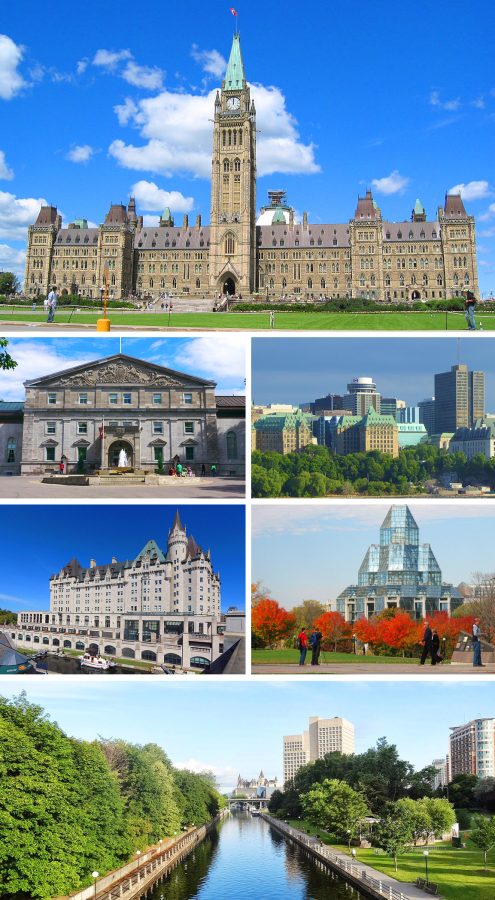
Water and green spaces weave through the city like veins. The Ottawa River, wide and calm, separates the capital from Gatineau, its Quebecois neighbor, and offers a natural escape from the hum of government buildings and embassies. On weekends, locals paddle kayaks along its currents, spread out picnics on its shores, or simply walk the paths that follow its edge. In winter, the Rideau Canal becomes the world’s longest skating rink, a frozen ribbon cutting through the heart of the city. Here, you’ll find students gliding between classes, families teaching kids to balance on blades, and first-time skaters wobbling along with cautious grins. The canal isn’t just a postcard scene—it’s where the city breathes.
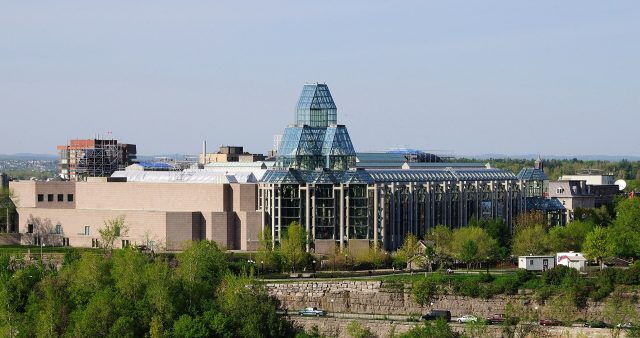
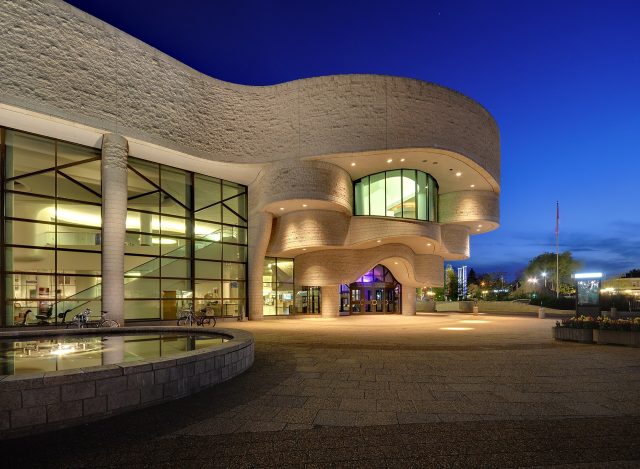
Ottawa’s history is shorter than that of many capitals, but no less layered. It began as a rough-and-tumble logging town in the early 1800s, a place where workers carved the Rideau Canal through dense forest. When it was chosen as Canada’s capital mid-century, the decision was pragmatic: situated on the border between English and French Canada, it was a compromise, a physical bridge between two solitudes. That duality still defines the city today. Bilingual signs, announcements in both languages, and the easy switch between English and French in conversation are as much a part of daily life as the changing seasons. The museums and galleries reflect this too, blending Indigenous art with contemporary works that mirror Canada’s multicultural patchwork.
To feel like a local in Ottawa, you don’t need to do much at all. There’s no pressure to perform, no crowds turning the streets into a stage. Instead, you might wander into a corner café and overhear a debate about the Senators’ latest game, or browse the ByWard Market, where farmers sell crisp apples, jars of maple syrup, and wheels of artisanal cheese. In summer, the market buzzes with the scent of fresh bread, spices, and blooming flowers; in winter, it’s a warm refuge, all twinkling lights and steaming mugs of cider. The city’s food scene is just as unpretentious, with small restaurants serving everything from fragrant Vietnamese pho to spongy Ethiopian injera, proof that Ottawa’s quiet charm extends to its tables.
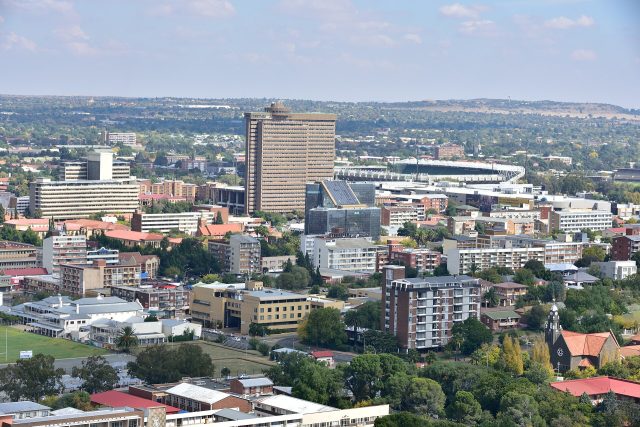
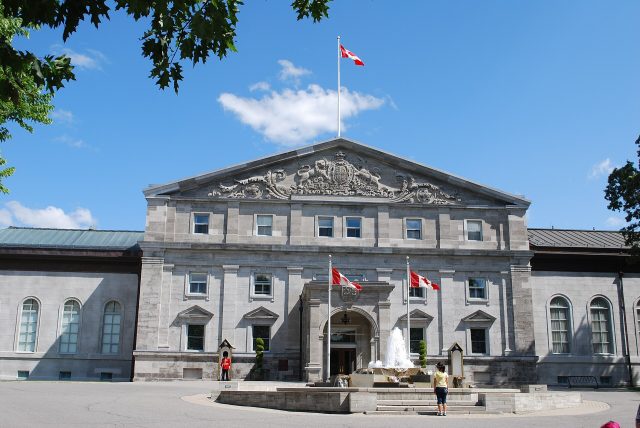
What makes Ottawa special isn’t its skyline or its shopping districts—it’s the absence of both. The city is built low, in red brick and stone, with streets that curve along canals and quiet neighborhoods where the loudest sounds are the rustle of leaves or the lap of water against the shore. Even downtown, you can find pockets of stillness, where the only thing moving is the wind. Ottawa doesn’t try to impress; it simply exists, and in doing so, it leaves an impression all its own. It’s a place where life isn’t for show—it’s for living.
See & Do
All of them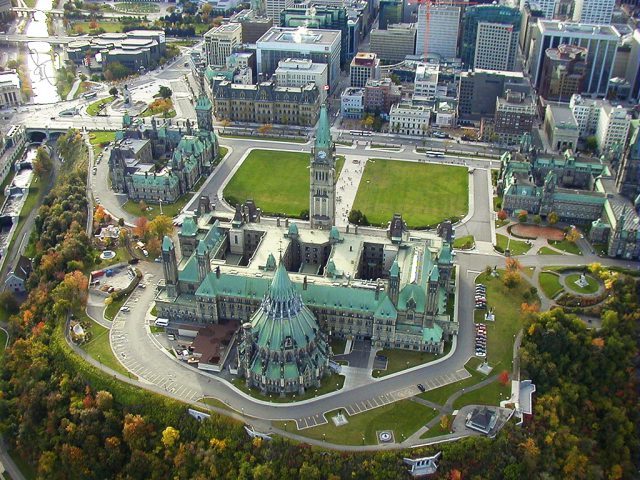
Places on the map
Marker colour follows the categoryClimate and weather
Detailed weather: Ottawa- Average temperature
- 7 °C
- Precipitation per year
- 933 mm
Average air temperature
°C
-9
-7
-1
6
14
19
22
21
16
10
2
-4
Jan
Feb
Mar
Apr
May
Jun
Jul
Aug
Sep
Oct
Nov
Dec