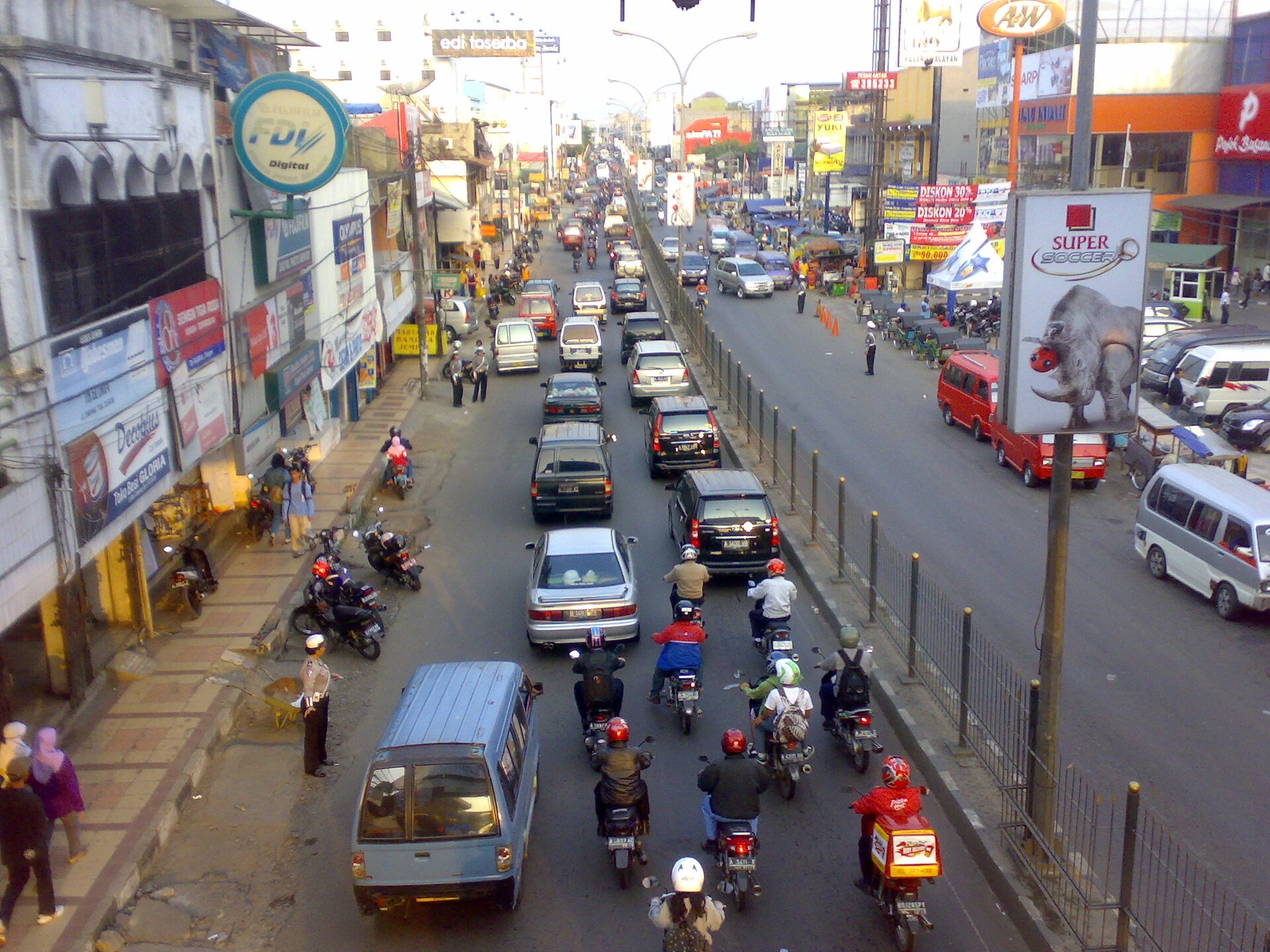
Alun-Alun Cilegon is one of those places that feels like both the heart of the city and a quiet corner where time moves at its own pace. Unlike the bustling squares of Indonesia’s major tourist hubs, this one carries the unhurried rhythm of a small Javanese town. It’s not a place you’d find in glossy travel brochures, but that’s precisely what makes it worth visiting—here, life unfolds as it always has, without pretense or performance.
The square follows the classic Javanese layout, where tradition and modernity coexist without tension. At its center lies an open expanse of pavement or grass, framed by trees and low-slung buildings that house local government offices or small shops. There are no grand monuments or towering structures, just a simple, functional design that invites people to linger. In the evenings, the glow of streetlights casts long shadows across the ground, and the air fills with the sounds of everyday life—snatches of conversation, the occasional motorbike engine, the distant hum of a radio from a nearby warung.
Cilegon isn’t a city that draws crowds of tourists, and that’s part of Alun-Alun’s charm. Visitors here won’t find staged cultural performances or vendors hawking trinkets; instead, they’ll see the city as it truly is. On any given day, the square is alive with small, unscripted moments: women in vibrant batik sell fresh fruit and snacks from woven baskets, children chase each other in games of badminton, and elderly men sit on benches, debating everything from local politics to the weather. On weekends, the space sometimes hosts impromptu markets or live music, drawing families and groups of friends who come to relax, not to pose for photos.
The history of Alun-Alun Cilegon is woven into the fabric of the city itself. While there are no precise records of its origins, such squares have long been a staple of Javanese urban design, serving as gathering places for ceremonies, announcements, and community events. During the colonial era, they often became symbols of local identity, and after Indonesia’s independence, they took on new significance as venues for national celebrations. Today, the square remains a living part of that tradition, a place where the past and present intersect without fanfare.
What makes this square special is its refusal to be anything other than what it is. There are no ornate fountains or manicured gardens, just a patch of open space where people come to be themselves. Mornings here are quiet, broken only by the calls of birds and the occasional roar of a motorbike. By midday, the square buzzes with activity—students hurrying to school, office workers taking a lunch break, or young couples strolling hand in hand. As the sun sets, the pace slows again, and the square becomes a stage for the simple pleasures of life: friends sharing snacks, children playing tag, or someone sitting alone on the grass, watching the sky change color.
For travelers, Alun-Alun Cilegon offers something rare—a glimpse of Indonesia beyond the postcard-perfect scenes. Unlike the crowded squares of Jakarta or Yogyakarta, this one feels intimate, almost private. There’s no pressure to do or see anything in particular; you can simply sit on a bench, sip sweet tea from a plastic cup, or wander over to a street vendor for a taste of *kue pancong* or *serabi*. The square doesn’t demand attention; it lets you observe, participate, or just be, on your own terms.
The area around the square holds a few low-key attractions worth exploring if you have time. A short walk away, the local market sells everything from tropical fruits to handmade crafts, while a small park nearby is where early risers gather for exercise or a game of *sepak takraw*. But even if you never leave the square, you’ll leave with a sense of having experienced something real. This isn’t a place designed for tourists; it’s a place where life happens, whether visitors are there to witness it or not.
Perhaps that’s the real appeal of Alun-Alun Cilegon—it doesn’t try to impress. There are no grand gestures, no curated experiences, just the quiet confidence of a space that has served its community for generations. It’s a reminder that some of the most meaningful travel moments aren’t found in guidebooks or on Instagram feeds, but in the unscripted, everyday scenes that reveal a place as it truly is. In a country often seen through the lens of its most famous destinations, this small-town square offers something far more valuable: a chance to see Indonesia without filters.