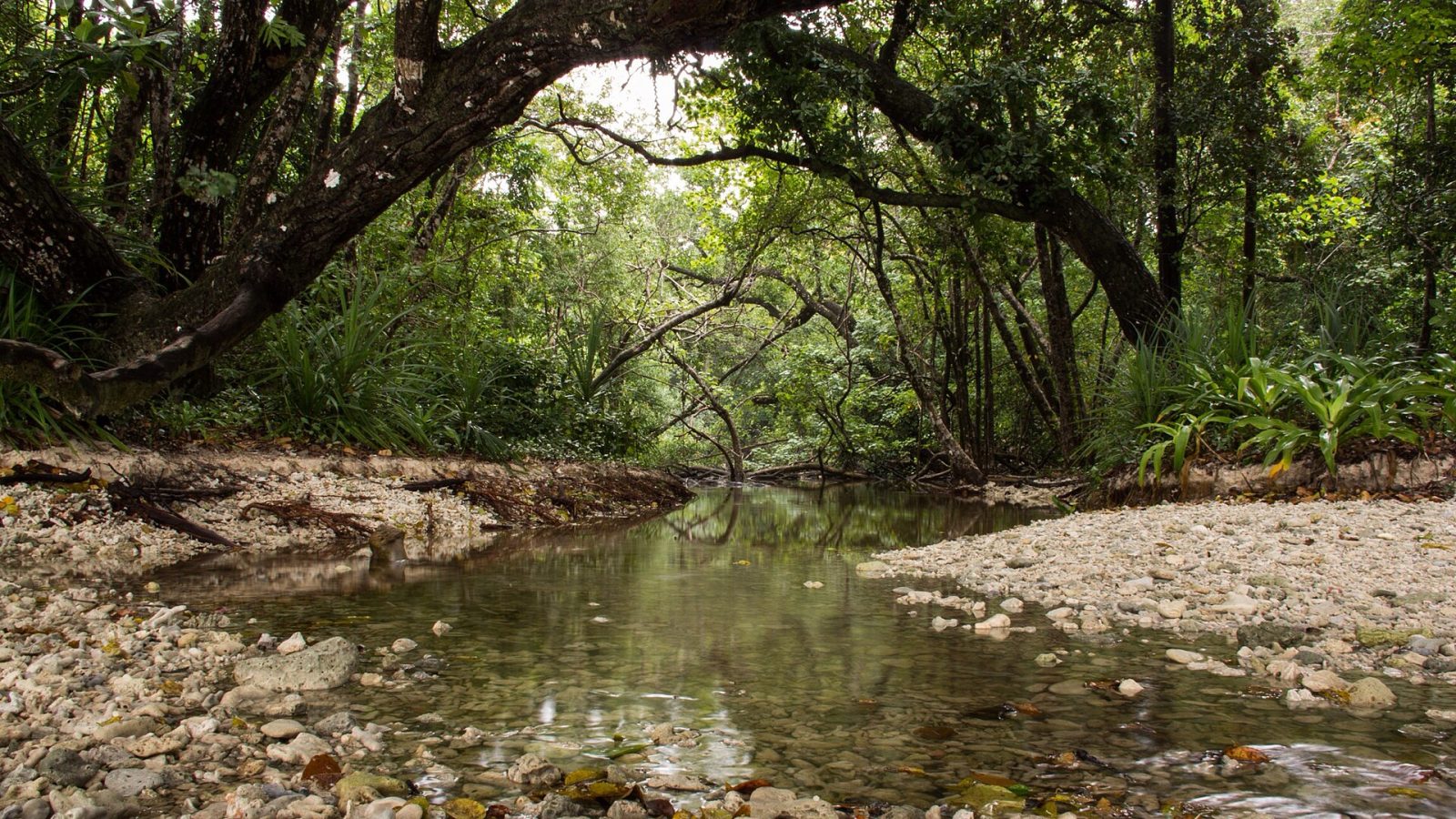
Cilegon
Indonesia · 3 places
Photo: Achmad Soerio Hutomo, CC BY 2.0
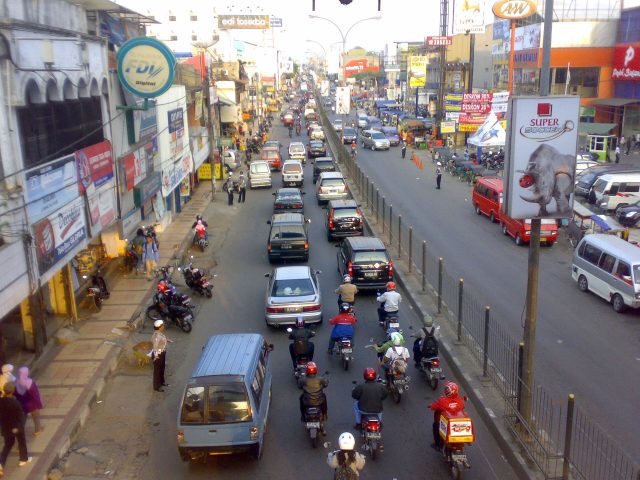
Cilegon is one of those rare places in Indonesia that feels untouched by tourism—not because it has nothing to offer, but because it never set out to impress anyone. Tucked away on the western edge of Java, it moves to its own rhythm, far from the crowds and the polished facades of more famous destinations. There are no souvenir stalls hawking mass-produced trinkets, no guides shouting over each other to sell the same tour for the tenth time. Instead, the city hums with the quiet pulse of everyday life: factory workers in hard hats sharing the streets with locals sipping coffee under the shade of mango trees, the scent of roasted corn and motorbike exhaust mingling in the air.
At the heart of Cilegon’s identity is Krakatau Steel, a sprawling industrial complex that looms over the city like a steel-and-concrete giant. Built in the 1970s with Soviet assistance, the plant remains one of Southeast Asia’s largest, employing thousands and shaping the lives of nearly everyone here. Its towering smokestacks are visible from almost anywhere in the city, a constant reminder of the work that keeps Cilegon running. To some, it might seem an unlikely backdrop for a travel story, but that’s precisely what makes the place compelling. There’s no need for postcard-perfect scenery or staged authenticity—Cilegon is unapologetically itself, a working city where the clatter of machinery and the chatter of street vendors exist side by side.
Yet for all its industrial grit, Cilegon isn’t without its softer edges. Just beyond the city limits, the landscape shifts dramatically. Rolling green hills give way to emerald rice paddies, and the Cilegon River winds through the countryside, its banks dotted with families picnicking under the shade of banyan trees. The monsoon season transforms the area into a lush, vibrant tableau, the air thick with the scent of damp earth and blooming frangipani. Those willing to venture further will find sleepy villages where time moves at a different pace, and where visitors—rare as they are—are greeted with warm curiosity rather than the practiced smiles of tourist hotspots.
Life in Cilegon revolves around a handful of key places, none of them grand but all of them alive with character. The central market is the city’s beating heart, a chaotic maze of stalls selling everything from durian and dragon fruit to knockoff sneakers and secondhand electronics. Here, the air is rich with the smell of grilled satay—chicken or fish skewers charred over open coals—and the shouts of vendors haggling over prices. By evening, the market’s frenetic energy fades, replaced by the laid-back buzz of street-side warungs where young locals gather to sip sweet tea or icy coconut water, the soundtrack of Indonesian pop music drifting through the warm night air.
This isn’t a city for those chasing Instagram-worthy landmarks or centuries-old temples. There are no grand palaces, no world-famous museums, no carefully curated experiences. What Cilegon offers instead is something far more elusive: a glimpse of Indonesia as it is for most of its people, far from the resorts and the tour buses. It’s a place where you can wander without an agenda, watching the rhythm of daily life unfold—men playing dominoes on plastic stools, women weaving baskets on their front porches, children darting between motorbikes on their way home from school. The beauty of Cilegon lies in its ordinariness, in the way it quietly refuses to perform for outsiders. And for those willing to look, that’s more than enough.
See & Do
All of them
Places on the map
Marker colour follows the categoryClimate and weather
Detailed weather: Cilegon- Average temperature
- 28 °C
- Precipitation per year
- 1757 mm
- Sunshine hours per day
- 5.3 h
Average air temperature
°C
28
28
28
28
28
28
28
28
28
28
28
28
Jan
Feb
Mar
Apr
May
Jun
Jul
Aug
Sep
Oct
Nov
Dec


