Watukaran Park is one of those quiet corners of Indonesia that feels untouched by the usual tourist rush. Tucked away near Cilegon on the western edge of Java, it offers something different from the country’s famous beaches and bustling resorts. Here, the main attraction isn’t man-made—it’s the land itself, shaped by time and legend. The park is small, but its rocky terrain and the stories woven into it give it a weight that lingers long after you leave.
The landscape of Watukaran is the result of ancient volcanic activity, its jagged formations looking as though they were carved by some long-forgotten hand. Some rocks resemble giant mushrooms, others take on the shapes of people or animals frozen in stone. Locals have long seen these formations as more than just geology—they’re believed to be the dwelling places of spirits or witnesses to old rituals. The name itself hints at this mystique: *watu* means stone in Javanese, while *karan* carries echoes of something enigmatic, perhaps tied to local folklore.
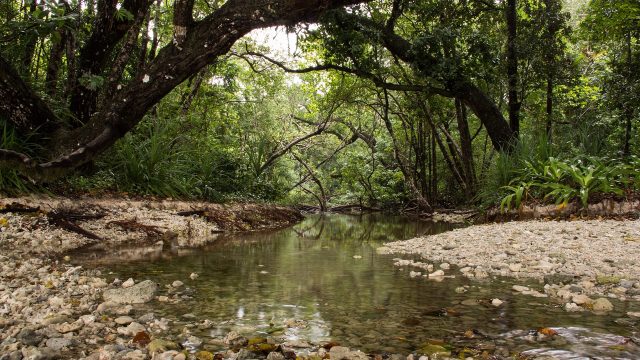
Walking through the park is a slow, thoughtful experience. Narrow paths wind between the rocks, climbing gentle slopes and dipping into shaded hollows. During the rainy season, water trickles down the stones, creating miniature waterfalls, and the vegetation grows lush and vibrant. In the dry months, the landscape takes on a starker beauty, the rocks standing out in sharp relief. Either way, the terrain invites you to pause, to look closer, to imagine the forces that shaped it over millennia.
One of the most striking features is a rock formation that resembles a human profile. Known as the "Face of the King" or the "Stone Guardian," it’s said to be the spirit of an ancient ruler watching over the land. Visitors often leave small offerings—flowers, rice, or coins—near its base, a quiet acknowledgment of the stories that still cling to this place. Whether or not you believe in the legends, there’s something undeniably atmospheric about standing in front of a rock that’s been given a name and a history.
There aren’t many man-made structures in Watukaran, but the few that exist blend seamlessly into the surroundings. Small pavilions and shelters, built in traditional Javanese style with carved wooden details, offer a place to rest in the shade. They’re simple, unobtrusive—just enough to give visitors a moment to sit and take in the quiet. The park isn’t designed for crowds; it’s a place where you can wander without feeling rushed, where the only sounds are the rustle of leaves and the occasional call of a bird.
This isn’t the kind of destination that promises excitement or entertainment. There are no rides, no souvenir stalls, no cafes blasting music. Instead, Watukaran offers something rarer: a chance to step away from the noise and connect with a landscape that feels ancient and untouched. It’s a place where the past isn’t just remembered—it’s still present in the way the light hits the rocks, in the way the wind moves through the trees.
For anyone curious about geology, the park is a small but fascinating window into the earth’s history. The rocks here aren’t just scenery; they’re evidence of processes that unfolded over thousands of years. Some formations contain visible fossils or minerals, subtle reminders of how dynamic the planet has always been. You won’t find detailed explanations or guided tours, but even a casual walk through the park can spark a sense of wonder about the forces that shaped this land.
Watukaran also offers a glimpse into how nature and culture intertwine in Java. For locals, the park isn’t just a scenic spot—it’s a place of reverence. Traditional ceremonies are still held here, tied to Javanese beliefs that see the land as sacred. While visitors might not witness these events, the knowledge that they happen adds another layer to the experience. It’s a reminder that this place isn’t just a backdrop for tourists; it has its own life, its own rhythms.
Visiting the park doesn’t require much preparation. Comfortable shoes, a bottle of water, and a willingness to explore at your own pace are all you need. Early mornings or late afternoons are the best times to go, when the sun is gentler and the air is filled with the scent of earth and greenery. There are no strict rules, but visitors are asked to tread lightly—no littering, no loud noises, and no taking pieces of the rocks, which locals believe could bring misfortune.
Watukaran isn’t a place that demands attention, but it’s one that stays with you. It’s not for those seeking luxury or spectacle, but for those who appreciate quiet, history, and the kind of beauty that reveals itself slowly. You might spend an hour here or an entire day, watching how the light shifts across the stones, listening to the wind, and wondering about the stories this land could tell. In the end, it’s these unassuming places that often leave the deepest impression.