Masjid Agung Cilegon: A Place That Doesn’t Demand Attention
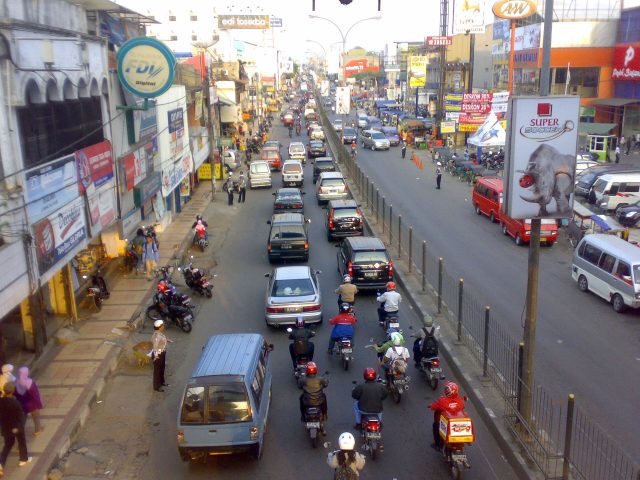
Cilegon’s Great Mosque sits among low-rise buildings and streets where motorbikes weave past food stalls. It doesn’t stand out from the outside—just another part of the city’s daily rhythm. Here, people pray, children run through the courtyard, and the call to prayer blends with the sound of passing trucks. No tour groups gather at the entrance, no cameras click. It’s a mosque for the neighborhood, not for visitors.
The building combines white walls, a single dome, and two minarets. Inside, the floor is covered with prayer rugs, and light filters through high windows. There are no chandeliers or gold accents, just rows of worshippers and the occasional creak of a wooden fan. The design doesn’t try to impress. It works because it’s built for use, not display.
Cilegon began as a trading post in the 1600s. Islam arrived with merchants and took root in the city’s culture. The mosque was built later, in the 1900s, but it carries the same quiet presence as the older buildings nearby. Around it, the city has grown—markets, schools, and government offices now fill the streets. The mosque remains a constant, not a relic.
For those who live here, it’s where they go for more than prayer. Community meetings happen in the side rooms. During Ramadan, families gather in the courtyard to break their fast. On Eid, the area fills with people in their best clothes, the smell of fried snacks mixing with the scent of incense. Even those who don’t pray regularly come for these moments, because it’s where everyone knows each other.
Cilegon isn’t on most travel itineraries. That’s why the mosque feels different. There are no souvenir stands or signs in English. Instead, you’ll find small warungs serving nasi uduk and men drinking sweet tea under the trees. The streets around it tell their own story: a tailor’s shop next to a phone repair stall, a woman selling homemade jam from a basket, a group of teenagers laughing outside a minimart. The city moves at its own pace, and the mosque moves with it.
If you visit, dress modestly—shoulders and knees covered. Take off your shoes before entering. Don’t walk in front of someone praying. But you don’t have to go inside to see how the mosque fits into the city. The courtyard is open to everyone. Sit on one of the benches and watch: a man fixes his motorbike under a tree, a child chases a stray cat, an old woman sells bananas from a cart. It’s not a scene staged for tourists. It’s just life.
The mosque doesn’t need to be grand. It’s enough that it’s here, part of the city’s routine. For travelers tired of crowded attractions, that’s the appeal. There are no brochures or audio guides, just the chance to sit and listen to the sounds of a place that doesn’t care if you notice it or not.
Indonesia’s most famous sites draw crowds for a reason. But the country’s real character isn’t in the places everyone photographs. It’s in the cities like Cilegon, where history isn’t something you visit—it’s something you live alongside. The Great Mosque is one of those places. It doesn’t ask for attention. It doesn’t need to.