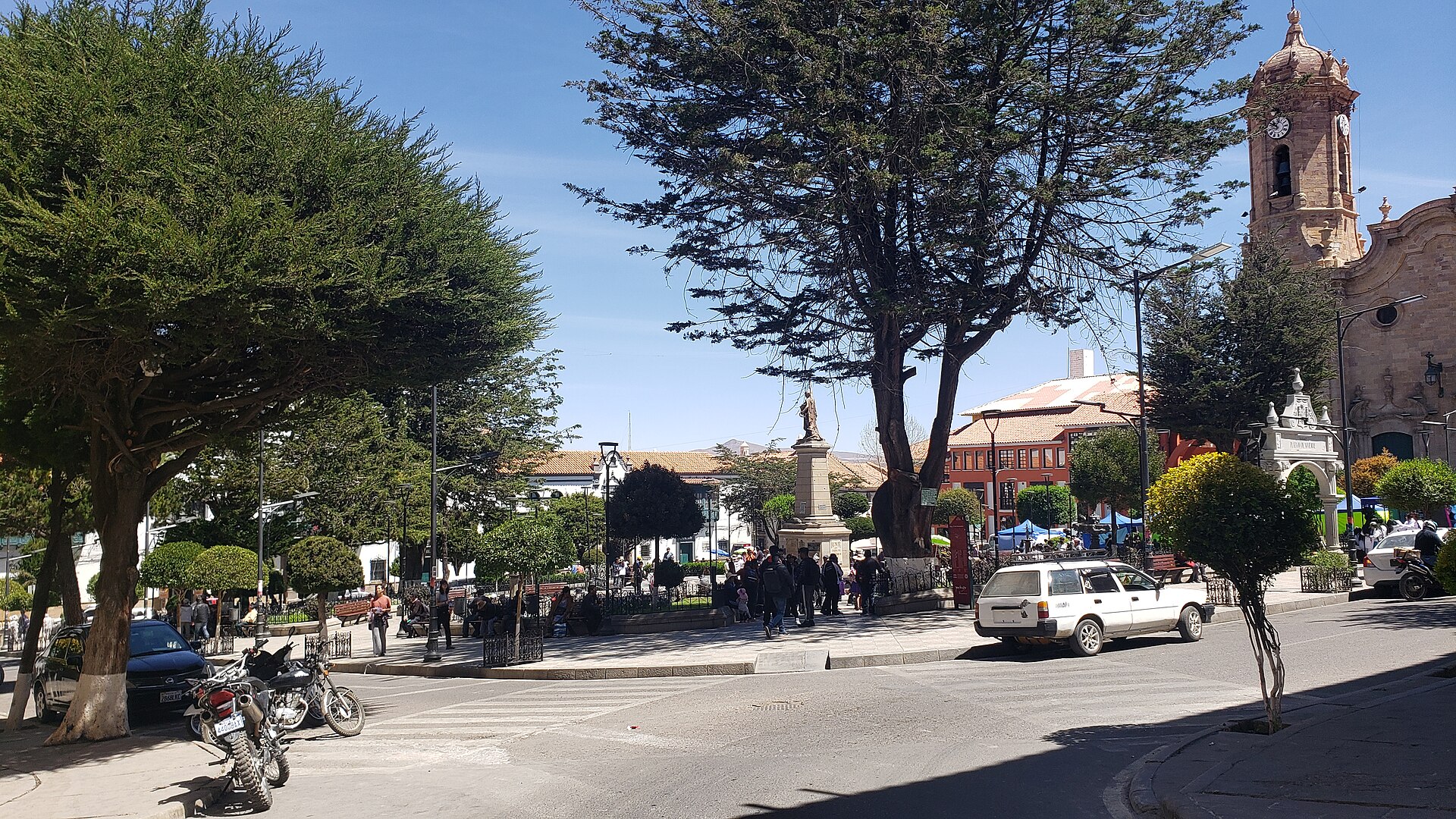
November 10th Square in Potosí is one of those places where history isn’t just remembered—it lingers in the air, in the weight of the stones beneath your feet. This city, once the wealthiest in the world thanks to its silver mines, still carries the echoes of its colonial past. The square sits at the heart of Potosí, surrounded by sturdy stone buildings that Spanish settlers erected centuries ago. Narrow streets radiate outward, leading to old churches and hidden courtyards, where the grandeur of the past mingles with the quiet rhythms of modern life. There’s no mistaking the sense of time layered into every corner here.
The square itself is modest in size, but its significance to Potosí is immense. At its center stands a statue of Juan de Villarroel, the conquistador credited with founding the city. His presence is more symbolic than historically precise—Villarroel did play a role in the region’s early days, but Potosí’s true legacy lies in the silver that flowed from the nearby Cerro Rico mountain. The wealth generated from those mines built the very structures that still stand around the square. If you look closely, you can see how that fortune shaped the architecture: the ornate facades, the heavy wooden doors, the balconies that once overlooked a city drowning in silver.
The most striking building here is the Potosí Cathedral, constructed in the 18th century. Its facade is imposing, lined with columns and statues of saints, though the interior is more restrained than you might expect from a city that once bankrolled an empire. This contrast is common in Bolivia’s colonial churches—elaborate exteriors often belie simpler interiors. Beside the cathedral, the old town hall stands with its thick walls and wooden balconies, a reminder of the power that once governed the city from this very spot.
But November 10th Square isn’t just a monument to the past. It’s a place where life unfolds in real time. In the mornings, vendors set up stalls selling highland potatoes, dried llama meat, and fresh fruit, their voices blending with the clatter of footsteps on cobblestones. By midday, the square transforms. Elderly men gather on benches to chat, children kick soccer balls across the pavement, and visitors wander, trying to imagine the wealth that once passed through these streets. As evening falls, the square takes on a different mood. The glow of streetlights reflects off the windows of old houses, and the pace of life seems to slow, as if the city itself is settling into the quiet of another day.
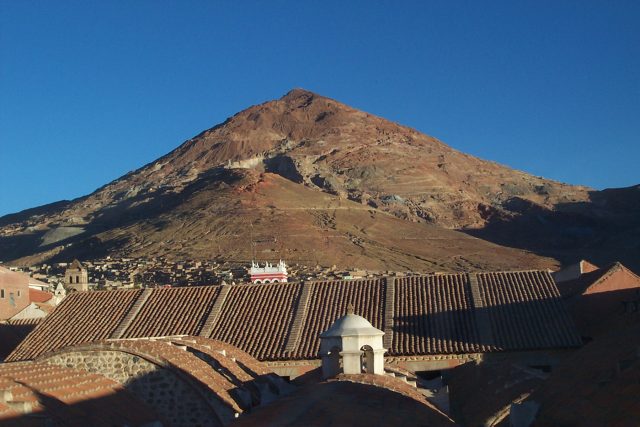
Potosí’s history is inseparable from Cerro Rico, the mountain that looms over the city. In the 16th and 17th centuries, the silver extracted from its mines filled Spanish coffers, turning Potosí into a symbol of both opulence and exploitation. Indigenous workers and African slaves toiled in brutal conditions, and many perished. Today, Cerro Rico is still active, though the scale of mining has diminished. Yet the memory of those times remains woven into the fabric of Potosí, and November 10th Square is one of the places where that history feels most tangible.
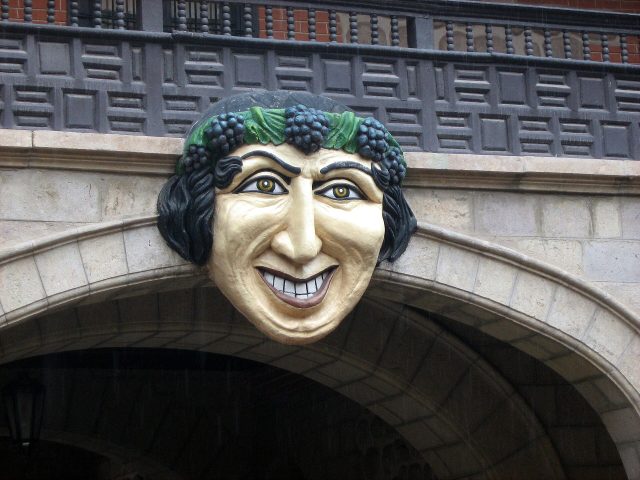
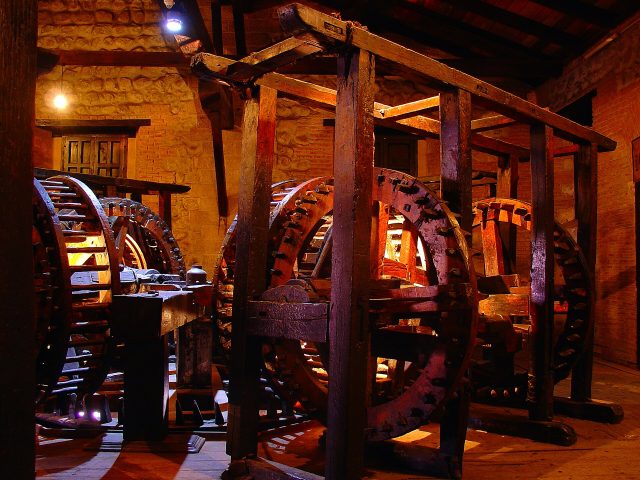
Around the square, a few museums offer deeper insight into the city’s past. The Mint Museum, once the royal mint where silver coins were struck for the Spanish Empire, now houses old machinery, tools, and examples of the currency produced here. Another notable site is the Santa Teresa Museum, located in a former convent, where visitors can see preserved paintings, furniture, and artifacts from the lives of the nuns who once lived there. These places don’t just display relics—they tell the story of a city built on silver and sweat.
Potosí doesn’t try to impress visitors the way other Bolivian cities might. It lacks the frenetic energy of La Paz or the polished charm of Sucre. Instead, it exists on its own terms, a place where history isn’t curated for tourists but simply *is*. November 10th Square captures that essence perfectly. You can sit on a bench and watch locals go about their day, step into a centuries-old church, or wander the surrounding streets, where carved balconies and weathered doors hint at stories untold.
The climate here is harsh, a consequence of Potosí’s altitude—over 4,000 meters above sea level. Nights are cold even in summer, and the thin air can take some getting used to. But that altitude also gives the city its character. The sky is often clear, the air crisp, and the mountains that encircle Potosí create a sense of isolation, as if the city exists in its own time. November 10th Square, like Potosí itself, isn’t just a place where history is preserved. It’s where history lives—in the stones, in the faces of the people, in the quiet persistence of a city that has seen both glory and hardship.