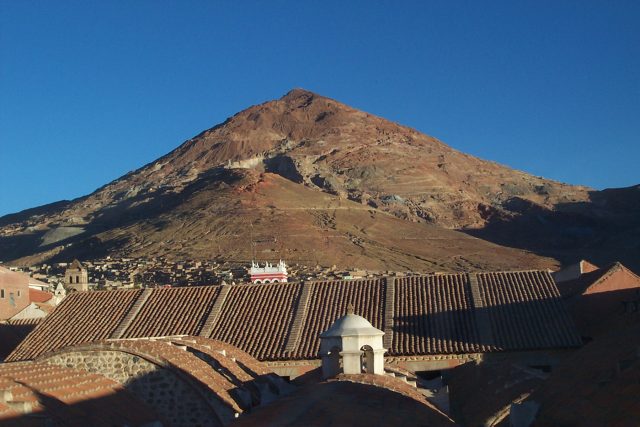
Potosí is a city suspended in time, where the weight of history presses down as heavily as the thin mountain air. Perched over four thousand meters above sea level, it feels like a place where the past hasn’t just lingered but has taken root in the very stones beneath your feet. The Casa de la Moneda, or Mint House, stands as one of its most enduring symbols—a building that didn’t just survive the centuries but became the physical embodiment of an era defined by wealth, power, and the relentless pursuit of silver.
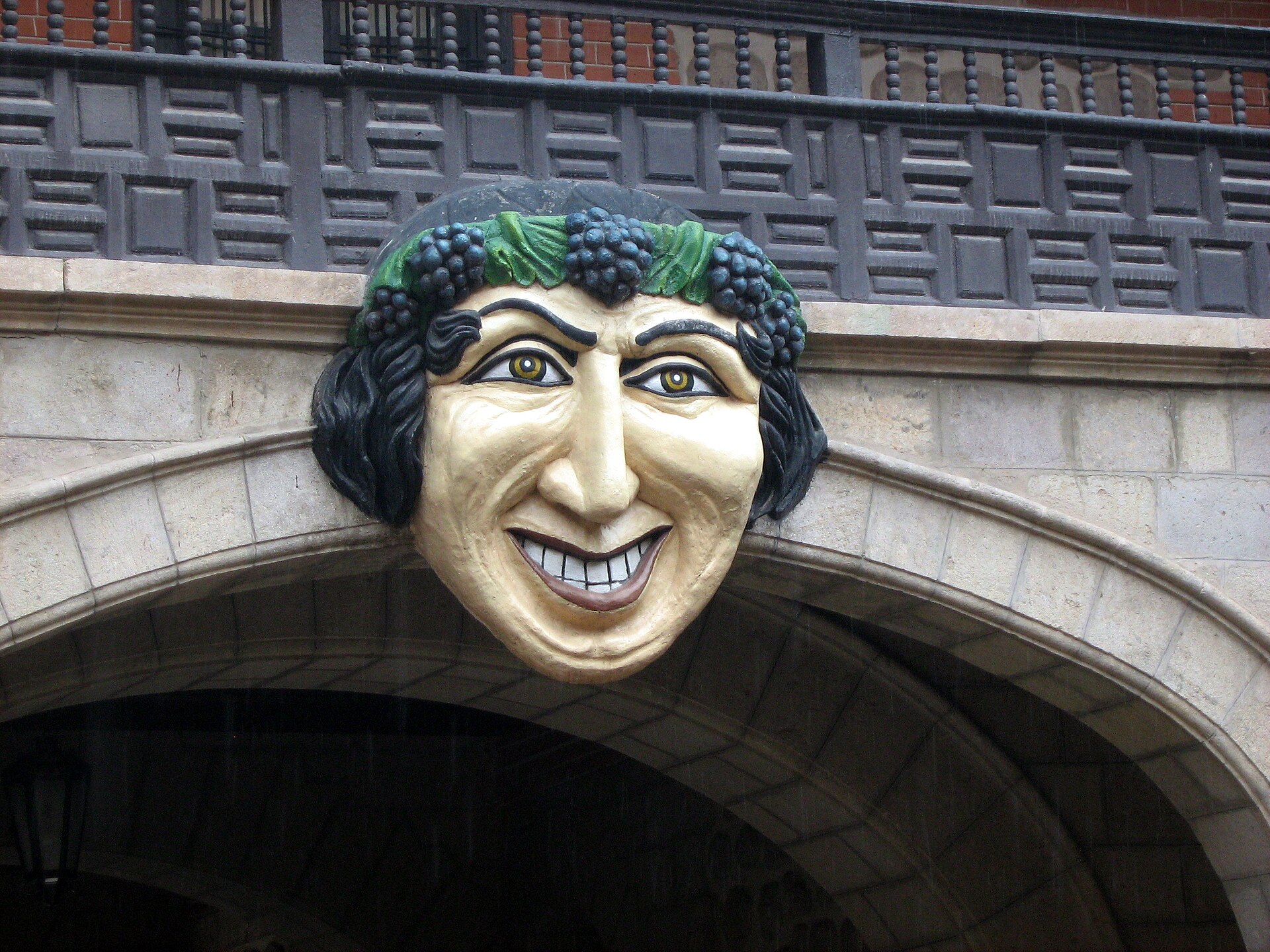
The mint we see today wasn’t the first. The original structure, built in 1572, crumbled under the strain of earthquakes and the damp climate of the high Andes. By the mid-18th century, Potosí had already cemented its reputation as one of the richest cities in the world, its mines yielding an unimaginable flow of silver. The Spanish crown needed a secure place to turn that raw metal into currency without the risks of transporting it across oceans. The new mint, completed in 1759, was designed to last. Its massive stone walls, thick wooden beams, and vaulted ceilings were built not just for function but as a statement of permanence. The baroque façade, though less ornate than the city’s churches, still carries the grandeur of colonial ambition, while the interior remains a testament to industrial precision—sprawling halls where hundreds once labored, their presence still palpable in the worn floors and rusted machinery.
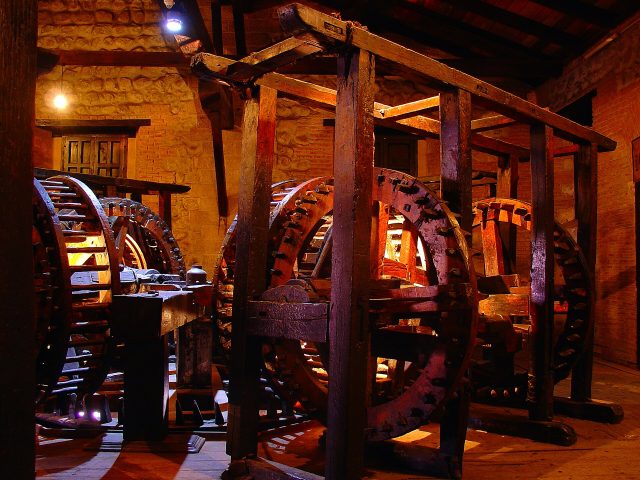
For nearly three hundred years, the mint operated without pause, producing coins not just for Bolivia but for much of Spanish South America. The process was grueling. Silver was melted in vast furnaces, hammered into thin sheets, and stamped with the crown’s insignia by hand. Every coin was a product of human effort, each one a small piece of art in its own right. Today, the museum preserves the tools of that trade—heavy presses, worn anvils, and samples of currency from different eras—offering a glimpse into the meticulous, backbreaking work that once filled these halls.
The mint’s history is also one of conflict. During Bolivia’s struggle for independence in the early 19th century, it became a battleground. Royalists and revolutionaries fought over control of its silver reserves and weapons, turning the building into a fortress of colonial power. After independence, the mint continued operating under the new republic, but its golden age had passed. By the 20th century, as silver production dwindled, the building’s original purpose faded, and it transitioned into a museum—a shift from industry to memory.
Walking through the Casa de la Moneda is like stepping into a living archive. The exhibits span centuries, from the colonial period to modern times, and include more than just coins and machinery. There are documents, paintings, and everyday objects that belonged to the workers who toiled here. One of the most striking displays is a collection of old maps, where Potosí is depicted as the center of the world, a magnet for fortune-seekers across the Spanish Empire. In one reconstructed workshop, the dim light, the scent of wood and metal, and the faint echoes of imagined voices transport you back to the 18th century, where the clatter of presses once filled the air.
The building itself is a maze of courtyards, narrow corridors, and towering ceilings that cast long, shifting shadows. The creak of floorboards underfoot adds to the sense that history here hasn’t ended—it’s merely paused. Some of the original wooden presses still stand in their places, silent but imposing, a reminder of the labor that went into every coin. The cellars, once used to store silver, now house exhibits on the lives of the miners and workers, their stories a stark contrast to the wealth they produced.
Potosí is often called the city built on silver, and the mint is its beating heart. It was here that raw ore was transformed into currency, where the sweat of thousands was turned into tangible value. But the mint’s story isn’t just one of prosperity. It’s also a record of exploitation, resistance, and survival. There’s no romanticizing the past here—the harsh realities of colonial rule and the human cost of wealth are impossible to ignore. Yet the building itself commands respect. Its sheer scale and durability are a testament to the skill of its architects and the determination of those who built it in such an unforgiving environment.
In recent decades, the mint has been carefully restored, though efforts were made to preserve its original character. Today, it’s more than just a museum. It’s a cultural hub, hosting exhibitions, concerts, and lectures. In one of the courtyards, local artisans demonstrate traditional metalworking techniques, keeping alive the skills that once defined this place. The mint draws not only tourists but also Bolivians, for whom it remains a vital part of national identity.
Visiting the Casa de la Moneda leaves a complicated impression. There’s admiration for the ingenuity of those who designed and built it, a structure of such magnitude in a place where even breathing can feel like a challenge. But there’s also the lingering awareness of the human cost behind the silver that once flowed through these halls. Potosí, like its mint, is a place where the glitter of wealth can’t obscure the harder truths beneath. And yet, that’s precisely what makes it compelling. Here, the past isn’t just remembered—it’s tangible, unavoidable, and deeply human.