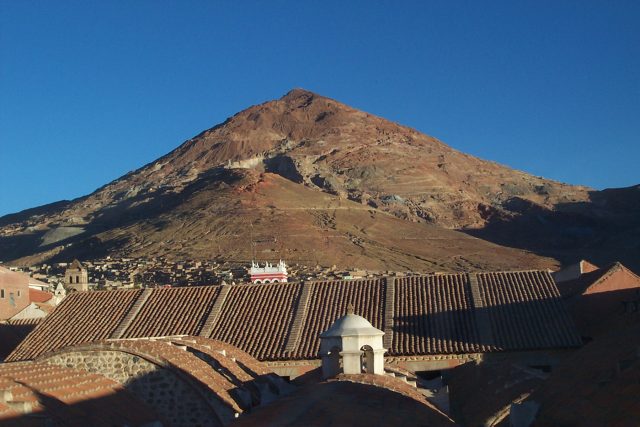
High in the Andes, where the air is thin and the past feels closer than the present, Potosí stands as a monument to a time when silver flowed like water and fortunes were made on the backs of thousands. This city, perched over four thousand meters above sea level, was once the wealthiest in the world, its riches drawn from the veins of Cerro Rico, the mountain that loomed over it like a silent benefactor. The Spanish Empire built its power on Potosí’s silver, and for centuries, the city was a symbol of colonial ambition, a place where dreams of wealth collided with the harsh realities of labor and exploitation. Today, Potosí is quieter, its streets winding through a landscape that still carries the weight of history, where every stone seems to whisper stories of the past.
At the heart of this history is the Casa de la Moneda, Bolivia’s national mint, a building that once turned raw silver into the currency of an empire. Constructed in the eighteenth century, when Potosí was still the beating heart of colonial commerce, the mint was more than just a factory—it was a fortress of wealth, a place where the Spanish Crown controlled the flow of silver that fueled its wars and trade across the globe. The architecture reflects this dual role: sturdy stone walls and heavy wooden beams speak of practicality, while the intricate arches and decorative facades hint at the grandeur of an empire that saw itself as eternal. The building’s design blends Spanish Baroque with local influences, a fusion that mirrors the complex identity of Potosí itself.
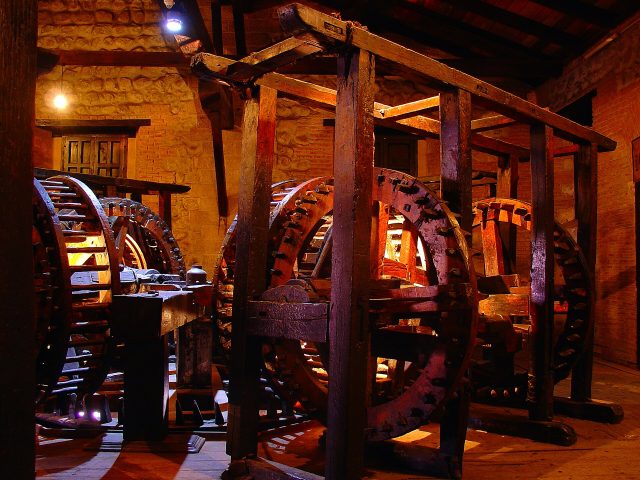
Stepping inside the Casa de la Moneda is like walking into a time capsule. The original machinery used to strike coins still stands in the halls, some of it still functional, a testament to the ingenuity of the era. These massive presses, operated by hand and muscle, once turned out millions of Spanish pesos, coins that traveled the world, financing everything from palaces to battles. The museum’s collections include the tools of the trade—molds, dies, and weights—alongside documents that reveal the meticulous bureaucracy behind the mint’s operations. Among the most striking exhibits are the coins themselves, some dating back to the sixteenth century, their surfaces worn smooth by time but still bearing the marks of the hands that made them.
Yet the mint’s history is not just one of technological achievement. It is also a story of human suffering. The silver that passed through these walls was extracted by Indigenous laborers and African slaves, whose lives were often cut short by the brutal conditions of the mines and the mint’s workshops. Exhibits here do not shy away from this darker side, displaying records of wages never paid, contracts that bound workers to their fate, and even the chains used to punish those who resisted. These artifacts serve as a stark reminder that behind the gleam of silver and the grandeur of empire lay countless untold stories of hardship and resilience.
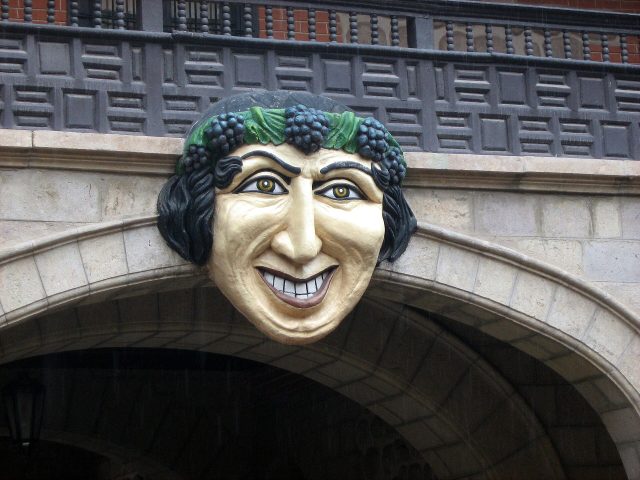
The building itself is a work of art, its facade adorned with heraldic symbols and reliefs that once proclaimed the might of Spain. Inside, the central courtyard is surrounded by arched galleries, where merchants, officials, and laborers once gathered to negotiate, scheme, and survive. Today, the courtyard is quiet, but the echoes of the past linger in the cool mountain air. The mint’s architecture tells its own story: the thick walls that kept out thieves and rebels, the high ceilings that once amplified the clatter of machinery, the narrow windows that let in just enough light to work by. Every detail speaks of an era when Potosí was not just a city but a cornerstone of global power.
In its heyday, Potosí was known as the "mountain that eats men," a place where silver was plentiful but life was cheap. The wealth generated here flowed outward, funding the extravagance of European courts and the expansion of empires, while the city itself remained a place of stark contrasts. The mint was a microcosm of this world, where the precision of machinery met the unpredictability of human labor. Artists and craftsmen flocked to Potosí, drawn by the promise of silver, and the city’s churches and mansions still bear the marks of their skill. The Casa de la Moneda was part of this ecosystem, a machine that turned raw materials into power, both economic and political.
Today, Potosí is a shadow of its former self. The silver mines of Cerro Rico are nearly exhausted, and the city has turned to other industries to survive. Yet the legacy of its past remains, etched into the streets, the buildings, and the collective memory of its people. The Casa de la Moneda stands as one of the most tangible links to that era, a place where visitors can walk in the footsteps of miners, merchants, and monarchs. It is not just a museum but a portal, offering a glimpse into the mechanisms of empire and the lives of those who built it.
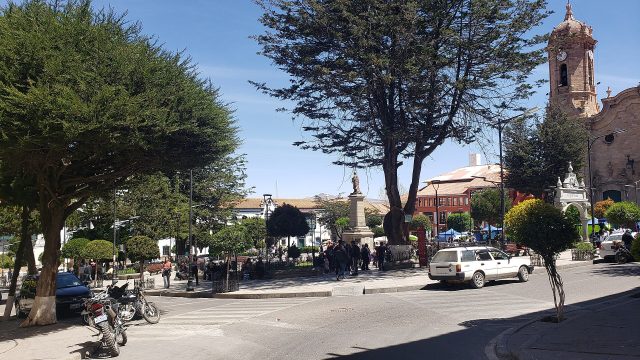
Beyond the mint, Potosí’s streets tell their own stories. The cobblestone alleys wind past colonial-era churches and plazas, their facades weathered by time but still grand. The city’s churches, many of them funded by silver wealth, are filled with ornate altars and religious art, their beauty a stark contrast to the harshness of life in the mines. And looming over it all is Cerro Rico, the mountain that gave and took in equal measure. Once a source of unimaginable wealth, it is now a symbol of the fleeting nature of fortune, a reminder that even the mightiest cities can fade.
Visiting the Casa de la Moneda is more than just a history lesson—it is an experience that engages all the senses. The cool air of the highlands, the scent of old wood and stone, the faint echoes of footsteps in the galleries all combine to create a sense of connection to the past. Potosí is a place where history is not just remembered but felt, where the weight of centuries presses down on you with every step. The mint, with its machines and its memories, is a key to understanding that history, a place where the grandeur and the tragedy of the colonial era come together in a single, unforgettable narrative.