Potosí is a city suspended in time, where the weight of history presses down on every cobblestone and the thin mountain air carries whispers of a past both glorious and brutal. Perched over four thousand meters above sea level, it feels like a place where the colonial era never quite ended, where the grandeur of silver fortunes and the suffering of those who mined them linger in equal measure. Among the narrow streets lined with heavy wooden balconies and the low-slung adobe houses, the Church of San Lorenzo stands as a quiet monument to the collision of worlds that shaped this city. Its walls don’t just tell stories—they hold contradictions, blending faith, art, and power into something far more complex than mere architecture.
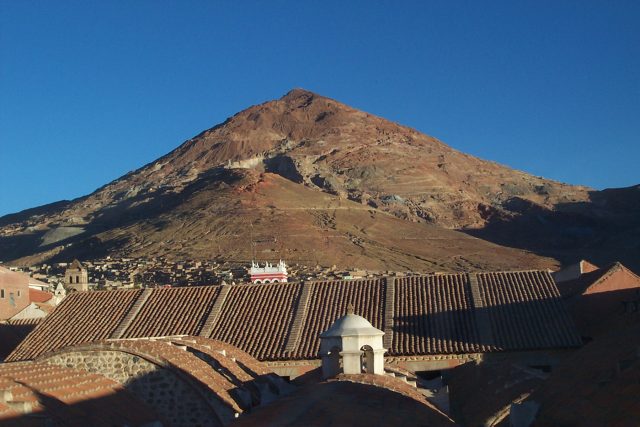
Built in the late 16th century, when Potosí was one of the wealthiest cities on earth, San Lorenzo rose during a time of frenzied growth. The silver mines of Cerro Rico, the mountain that looms over the city, were the engine of the Spanish Empire’s wealth, drawing fortune-seekers, priests, and laborers from across continents. The church was meant to be a declaration of Catholic dominance, a physical assertion of faith over the indigenous traditions that had thrived here long before the conquistadors arrived. Yet what emerged from its construction was something far more interesting than a simple imposition of European design. The façade of San Lorenzo is a masterpiece of the *mestizo* style, where Baroque flourishes twist into Andean motifs, creating a visual language that exists nowhere else in Latin America.
The church’s portal is where this fusion becomes impossible to ignore. Carved stone curls and floral patterns frame the entrance, but look closer and the details reveal a deliberate adaptation of Christian iconography to local sensibilities. Angels with indigenous features gaze down from the architrave, their faces a subtle rebellion against the European ideal. Above the doorway, Saint Lawrence, the church’s patron, stands in robes that seem to borrow from the woven textiles of the Aymara people. Even the way the figures are arranged feels less like a hierarchy and more like a conversation—one that acknowledges the people who built this place as much as the faith it was meant to represent. It’s a rare example of colonial art that doesn’t just tolerate local influence but actively incorporates it, turning the church into something like a shared cultural artifact.
Inside, the space is smaller than the façade suggests, but the high vaulted ceilings and thick columns give it an air of solemn grandeur. The altar, gilded in silver and gold, reflects the wealth that once flowed through Potosí, though its opulence is tempered by a certain restraint. The walls are adorned with frescoes depicting saints and biblical scenes, but here too, the local touch is unmistakable. Some of the faces bear the features of indigenous people, and the landscapes behind them could easily be the altiplano rather than the Holy Land. It’s as if the artists, whether by choice or necessity, couldn’t help but ground their work in the world they knew. The effect is less a clash of cultures than a quiet negotiation, a reminder that even in places built on exploitation, beauty can emerge from the cracks.
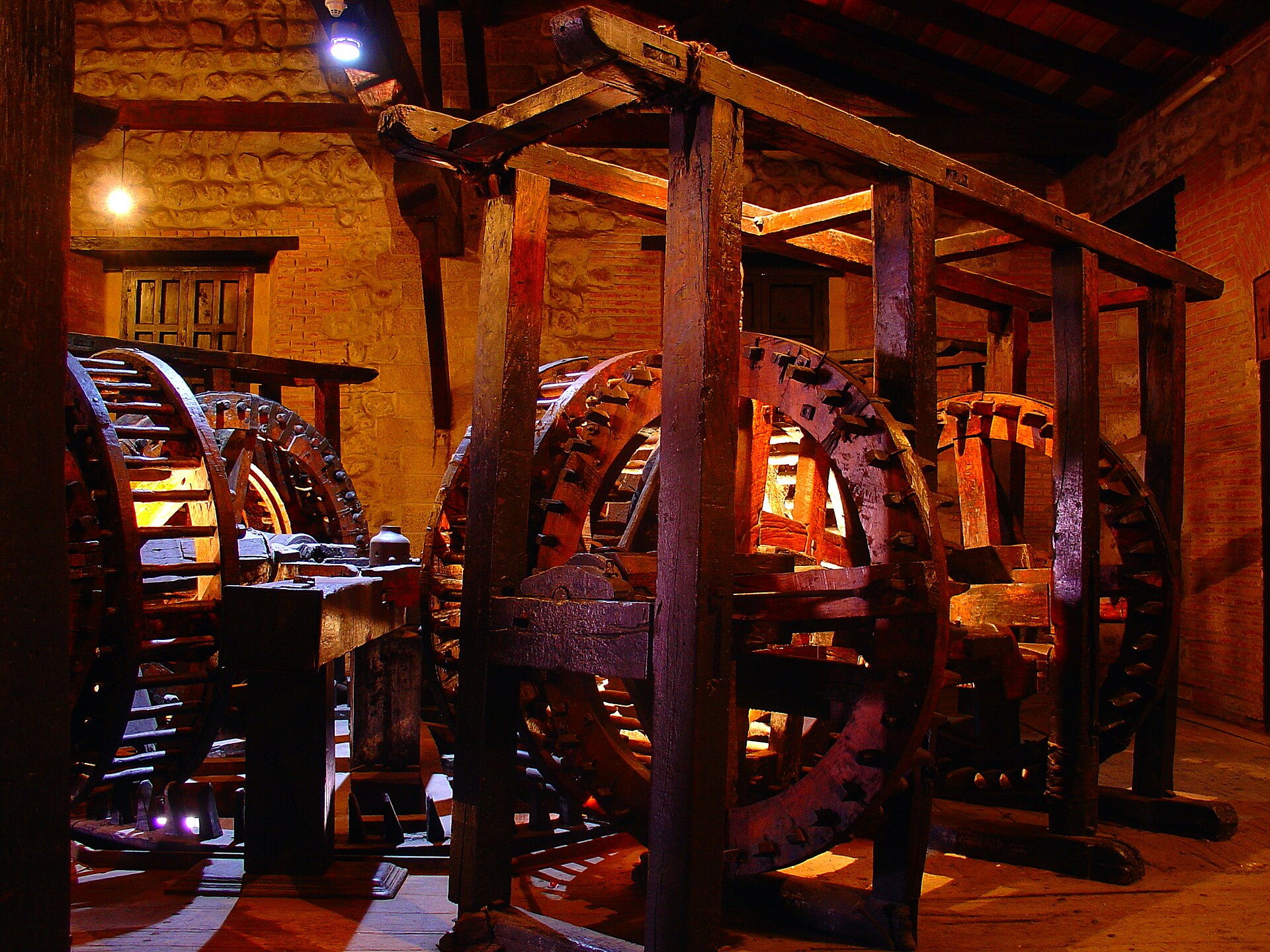
San Lorenzo is inseparable from the history of Potosí, a city that in the 17th century was larger than London or Paris. The silver extracted from Cerro Rico made it a center of global trade, attracting merchants, artists, and architects who left their mark on its streets. But behind the city’s glittering façade lay a darker reality. Thousands of indigenous people and African slaves perished in the mines, their labor fueling the empire’s coffers. The church, like so many of Potosí’s grand buildings, was financed by that suffering. Today, it stands not just as a place of worship but as a silent witness to the human cost of that wealth. The weight of that history is palpable, even if it’s rarely spoken aloud.
Over time, Potosí’s fortunes faded. The silver veins ran dry, and the city shrank, leaving behind a shell of its former self. Yet San Lorenzo endured, surviving earthquakes and neglect to remain one of the most striking examples of colonial architecture in the Andes. It’s still an active parish, where locals gather for mass and festivals, but for visitors, it’s primarily a window into the past. Walking through its doors feels like stepping into a different era, one where the boundaries between conqueror and conquered, sacred and profane, were far more fluid than the official histories suggest.
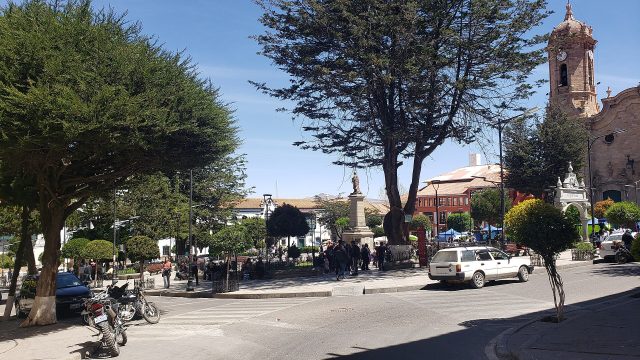
Visiting San Lorenzo is less about ticking off a tourist attraction and more about immersing yourself in the rhythm of old Potosí. The city moves at its own pace, slowed by altitude and the weight of its history. The streets, with their uneven stones and crumbling facades, feel like they’ve barely changed in centuries. In the mornings, the scent of fresh bread drifts from bakeries, while in the evenings, the sound of church bells mingles with the hum of conversation in the plazas. San Lorenzo is just one piece of this larger puzzle, but it’s a piece that helps make sense of the rest. It’s a place where you can almost hear the echoes of the past—the clatter of hooves on cobblestones, the murmur of prayers, the distant clang of picks in the mines.
Potosí is often called the city of churches, and while each has its own story, San Lorenzo stands apart. Its façade is one of the finest examples of *mestizo* art in the Americas, a style that emerged from the collision of European and indigenous traditions. But more than that, it’s a symbol of the city’s complicated legacy. It doesn’t shy away from the contradictions of its past; instead, it embraces them, turning them into something enduring. In a place where so much was built on suffering, San Lorenzo offers a different kind of monument—one that acknowledges the pain but also the resilience of the people who shaped it.
If you find yourself in Potosí, don’t rush. The altitude demands it, but so does the city itself. Take time to wander the streets, to sit in a café and try a bowl of *sopa de maní*, to watch the light change over the rooftops as the sun sets behind Cerro Rico. And when you visit San Lorenzo, don’t just admire the façade. Step inside, let your eyes adjust to the dim light, and listen. The past here isn’t just preserved—it’s alive, waiting to be discovered in the details.