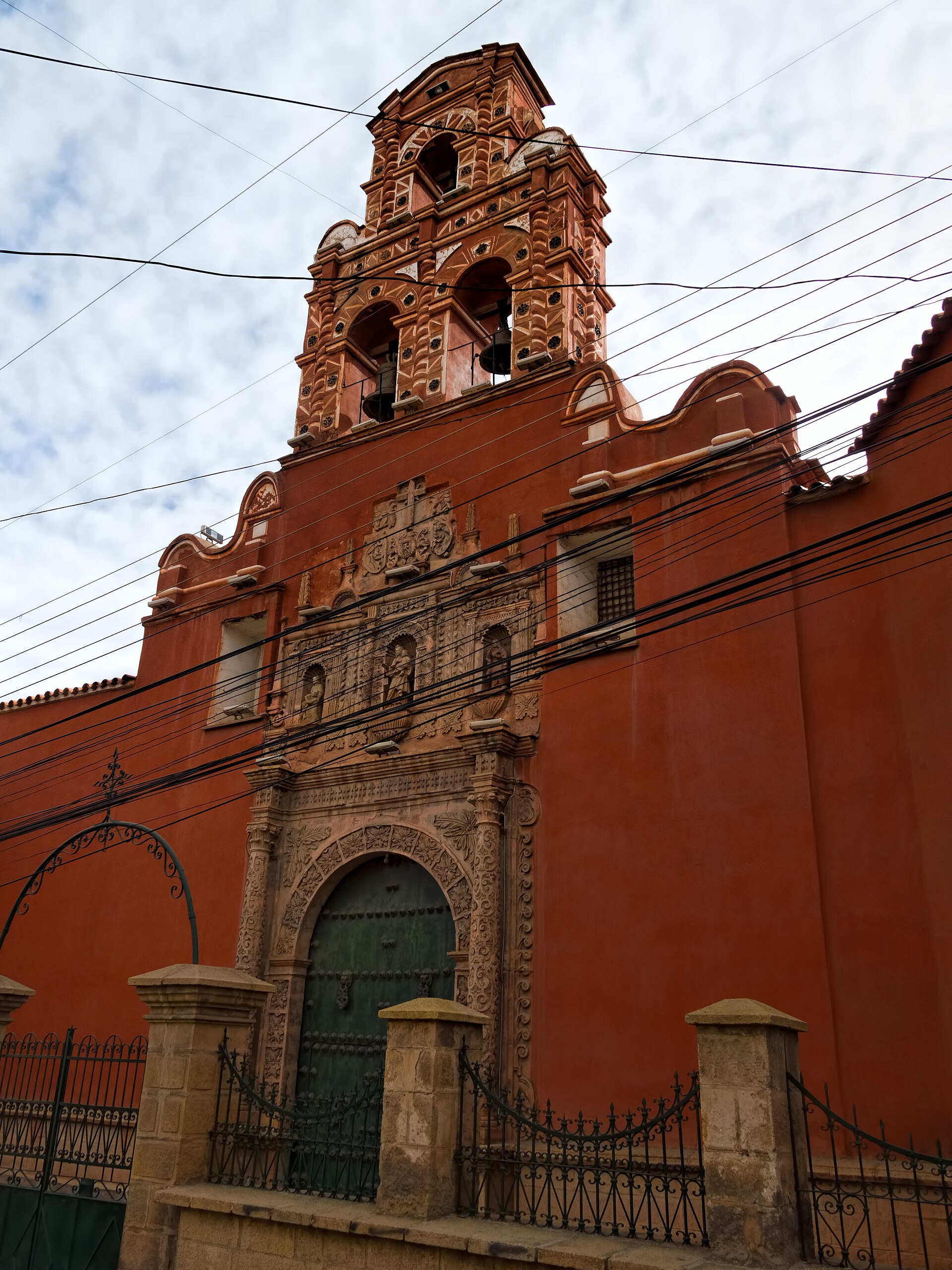
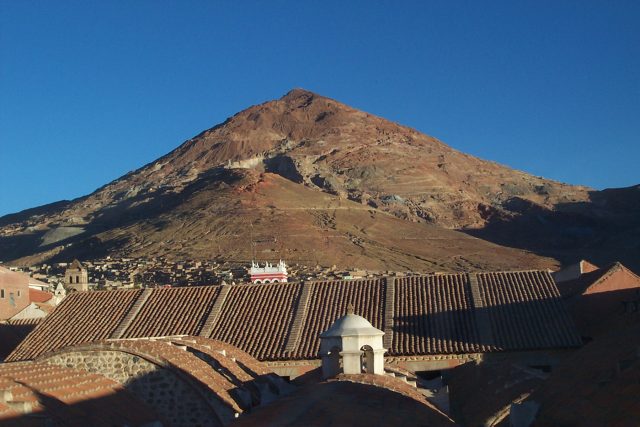
Potosí’s Santa Teresa Museum is one of those rare places where the past doesn’t just linger—it breathes. Housed within a 17th-century Carmelite convent, the building itself is a relic of a time when this high-altitude city was the wealthiest in the world, its fortune built on the silver extracted from the towering Cerro Rico. The convent was founded as a refuge for young women from noble families, many of whom were sent here not by choice but by tradition, their lives dedicated to prayer and seclusion. Walking through its halls today, you can still sense the weight of those centuries, the quiet rhythm of monastic life that unfolded within these walls long before the city’s silver boom faded into history.
The architecture is a striking example of Andean colonial style, blending Spanish influences with local craftsmanship. Thick stone walls enclose a series of intimate courtyards, their fountains long silent but still central to the design. Narrow corridors lead to small, dimly lit cells where nuns once slept under low ceilings, their world confined to these few square meters. The convent’s church is the most ornate space, its altars carved with intricate detail and gilded in gold leaf. Frescoes depict biblical scenes, but with a distinctly Andean twist—saints with indigenous features, landscapes that mirror the rugged mountains outside. The original wooden pews, confessionals, and even the old organ remain, as if waiting for the next service to begin.
Beyond the religious artifacts, the museum offers a glimpse into the daily lives of the nuns who called this place home. Display cases hold hand-stitched vestments, silver chalices, and delicate ceramic tableware, all used in the rituals of convent life. There are also tools for embroidery and weaving, skills the nuns honed to pass the time. The collection of colonial-era paintings and sculptures is particularly compelling, especially the works by anonymous artists who reimagined Christian iconography through a local lens. In one painting, the Virgin Mary might wear a shawl reminiscent of traditional Andean dress, while in another, a saint’s face bears the features of the indigenous people who made up the majority of Potosí’s population.
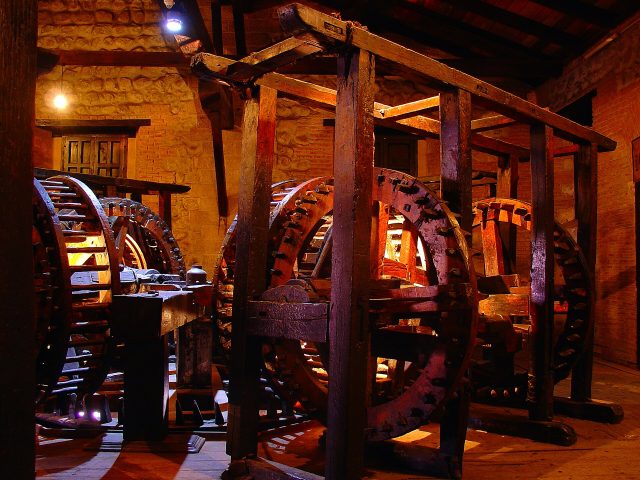
The underground chambers are among the most atmospheric parts of the museum. Here, the convent’s functional spaces—kitchens, storerooms, and even punishment cells—have been preserved almost untouched. Stone staircases wind downward into rooms with vaulted ceilings, where soot-stained ovens and clay pots hint at the meals prepared for the nuns. One chamber still holds an ingenious 17th-century water system, a testament to the engineering skills of the time. These spaces feel like a world apart, a reminder of the strict hierarchies and routines that governed life within the convent.
Santa Teresa is inseparable from Potosí’s history, a city that embodied both the wealth and the exploitation of the colonial era. The silver mined from Cerro Rico funded empires and wars, but the human cost was borne by the indigenous laborers who worked in brutal conditions. The convent, like many religious institutions of the time, was part of this system, accepting young women from families who could afford the dowry required for admission. Today, the museum doesn’t shy away from this complexity. It presents the convent as both a place of devotion and a reflection of the social realities of the time—where faith and power were often intertwined.
What makes Santa Teresa unusual is that it’s not just a museum; it’s still a living community. A small group of nuns continues to reside here, and if you visit during a service, their voices echo through the church, filling the space with a sound that has remained unchanged for centuries. It’s a rare experience, this overlap of past and present, where history isn’t just observed but actively preserved. The convent’s dual role—both as a historical site and a functioning religious space—gives it a unique atmosphere, one that feels more intimate than most museums.
For anyone interested in Bolivia’s layered history, Santa Teresa is essential. It offers more than just a look at colonial religious life; it’s a window into how the country’s identity was shaped by the collision of indigenous, Spanish, and African cultures. Potosí was at the heart of this transformation, its silver mines and convents playing a pivotal role in the colonial economy and society. The museum helps connect these threads, showing how a single place can hold so many stories—of faith, of wealth, of resistance, and of survival.
A visit here leaves a quiet impression. There’s the serenity of the courtyards, where sunlight filters through the arches, and the hush of the church, where time seems to stand still. But there’s also the weight of history—the knowledge that behind the beauty of the altars and the craftsmanship of the frescoes lies a more complicated narrative. This is a place where the past isn’t just remembered; it’s felt. And that’s what makes Santa Teresa one of Potosí’s most compelling destinations.