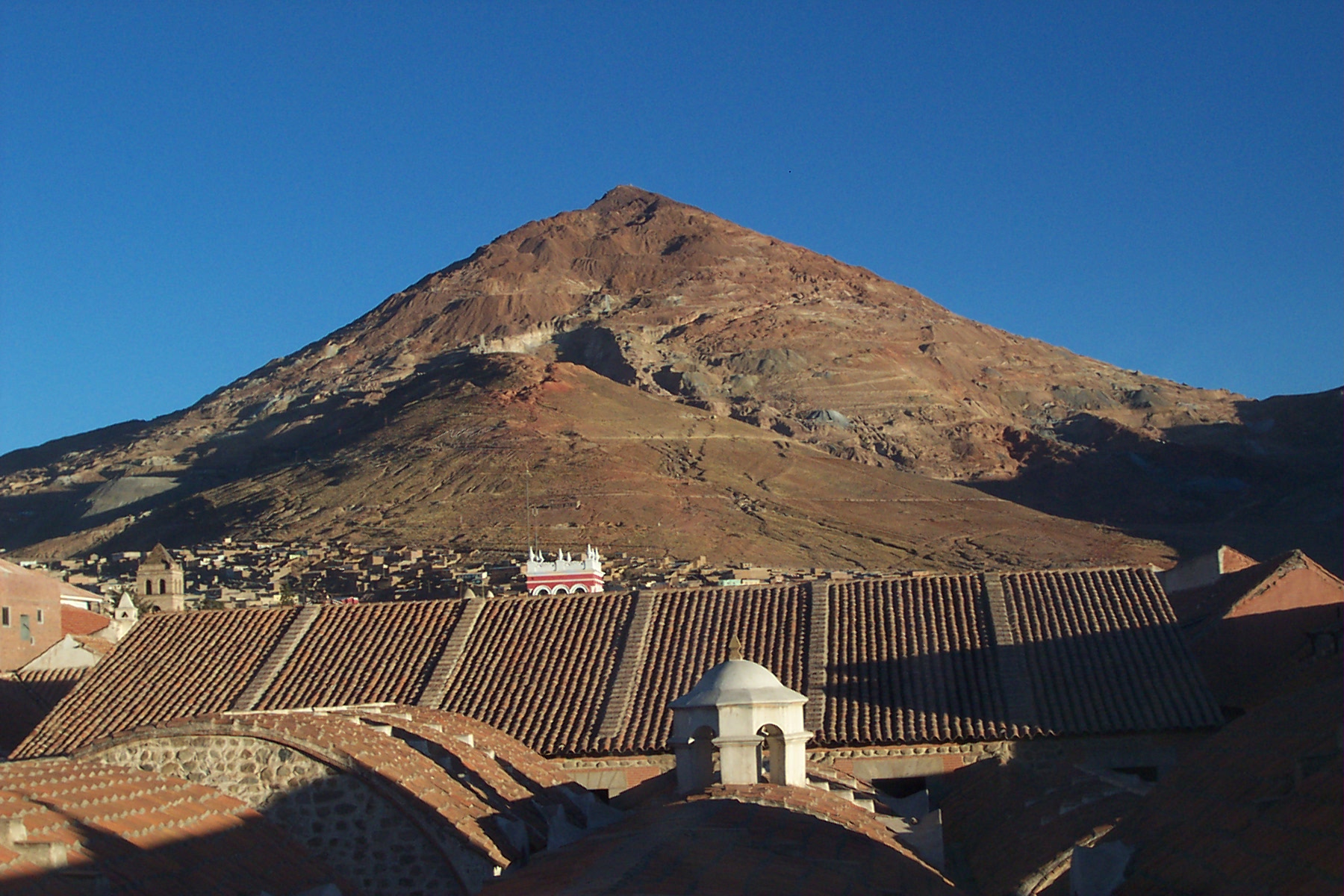
Cerro Rico looms over the Bolivian city of Potosí like a silent witness to centuries of rise and fall. Its slopes, scarred by tunnels and waste heaps, hold the memory of an era when the silver extracted here filled the coffers of the Spanish crown and reshaped the history of an entire continent. Today, Cerro Rico is more than just a geological formation—it’s a symbol around which the fate of a city, a country, and countless lives has been woven.
Potosí owes its existence to this mountain. In the mid-16th century, shortly after the Spanish discovered its vast silver deposits, a small settlement grew into one of the largest and wealthiest cities in the world. By the 17th century, its population exceeded a hundred thousand—more than London or Paris at the time. The silver of Cerro Rico didn’t just enrich the Spanish empire; it fueled the European economy, becoming the foundation for coins that circulated across the globe. Legend has it that with the silver mined here, a bridge could have been built all the way to Spain, and another from the leftover debris.
Yet behind the glitter of metal lay a darker story. The extraction of silver was carried out under brutal conditions. Indigenous people and African slaves, later replaced by local peasants, toiled underground for hours each day, breathing dust and risking their lives in tunnels that often collapsed. Methods were primitive, safety nearly nonexistent. Even today, working in Cerro Rico’s mines remains grueling and dangerous. Many miners, known as *mineros*, start as teenagers, and few live to old age.
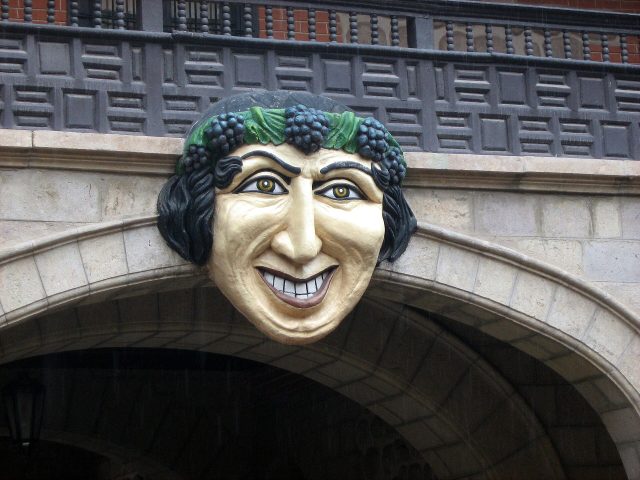
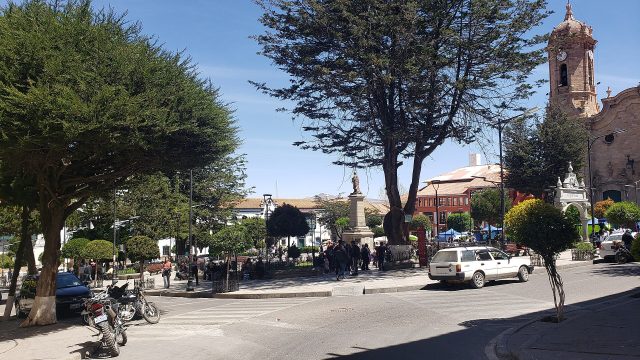
The mountain didn’t just provide silver—it shaped Potosí itself. Built at over 4,000 meters above sea level, the city became an architectural monument to the colonial era. Its cobblestone streets lead to plazas lined with churches and mansions featuring carved balconies and inner courtyards. Many buildings retain Renaissance and Baroque elements brought by the Spanish. The Church of San Lorenzo stands out with its ornate facade, where European motifs blend with Indigenous symbols. The city feels frozen in time, still living in the shadow of its former glory.
Cerro Rico also transformed the landscape around it. The mountain’s slopes, riddled with mines, look like an open wound on the earth. Waste heaps from centuries of mining form entire hills, slowly eroding under rain and wind. Around the mountain lie the poor neighborhoods where miners’ families live. Homes are modest, often built from whatever materials could be found or bought with meager earnings. Despite the hardship, life here has a certain rhythm—men leave for the mines at dawn, while women cook or sell goods at markets where everything from fresh vegetables to mining tools can be found.
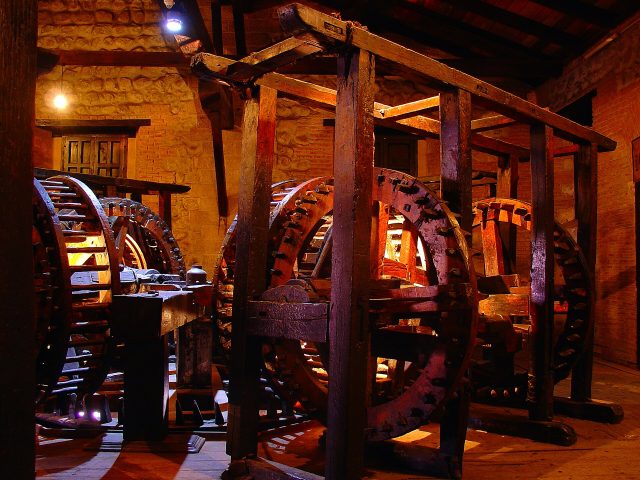
Today, Cerro Rico is no longer the source of untold wealth it once was. Silver has nearly run out, and zinc is now the primary resource. Yet the mountain remains a vital part of Potosí’s economy. Thousands still work in the mines, many in small cooperatives. Extraction is done the old way—miners descend with pickaxes and shovels, using dynamite to clear tunnels. Machinery, if present at all, is basic. It’s a reminder that Cerro Rico is still alive, though not as it once was.
For visitors, the mountain offers a chance to touch history in a place where it feels tangible at every turn. Mine tours are popular, though not without controversy. Tourists descend underground with former or current miners, who explain their work, show the conditions, and even let visitors try their hand at mining. This isn’t an attraction—it’s an immersion in a reality that remains distant and incomprehensible to many. Below ground, in the damp and darkness, it becomes clear why Cerro Rico is called the mountain that ate men.
From the summit, the view of Potosí and its surroundings is breathtaking. The city sprawls below like a map—red-tiled roofs, white church walls, narrow streets winding between houses. In the distance, the snow-capped peaks of the Andes rise, while closer in, the barren plains of the Altiplano stretch out, dotted with llamas and alpacas. From this height, Potosí seems small and fragile, yet full of life. The mountain that gave birth to the city now watches over it, as if it were its own creation, enduring against all odds.
Cerro Rico is more than a place on a map—it’s a living entity, breathing history and human stories. It reminds us how wealth can be both a blessing and a curse, how labor can be both heroic and a heavy burden. The mountain doesn’t tell its story in words, but its slopes, tunnels, and waste heaps speak for themselves. If you listen closely, you can hear the echoes of those who once worked, lived, and died here, making Potosí what it is today.