Cilegon Museum is one of those quiet, unassuming places that reveal more about a city than its grander, more famous landmarks ever could. Tucked away in a region better known for its steel mills and factories than its cultural offerings, this small museum holds fragments of a story that often gets overshadowed by Indonesia’s more tourist-friendly destinations. Cilegon itself is a place of contrasts—a hardworking industrial hub on Java’s western edge, where the past and present coexist in ways that aren’t always obvious at first glance. The museum doesn’t try to compete with the flashier institutions of Jakarta or Yogyakarta; instead, it offers something far more intimate: a glimpse into the layers of history that have shaped this corner of the island.
The building itself is a relic of another era, its colonial architecture hinting at the Dutch influence that once defined much of Java. Though the exact date of its construction remains unclear, the design speaks of a time when European styles were adapted to the tropics—high ceilings to catch the breeze, wide verandas to escape the heat, and thick walls to keep the interior cool. Inside, the space feels airy and uncluttered, with wooden beams and stone floors that have borne witness to decades of change. It’s easy to imagine the building as something else entirely in its earlier life—perhaps an administrative office or a merchant’s home—before it became a repository of memory. The museum’s modest size only adds to the sense that this is a place where history isn’t just displayed but preserved with care.
The collection inside is small but thoughtfully curated, spanning everyday objects, tools, and artifacts that trace the evolution of life in Cilegon. There are farming implements and household items that speak to the region’s agricultural roots, alongside weapons and ceremonial objects that hint at its more turbulent past. What stands out, though, is the focus on Cilegon’s industrial heritage. The city has long been a center for steel production and manufacturing, and the museum doesn’t shy away from this side of its identity. Exhibits include machinery parts, old photographs of factories, and even samples of products made in the region, offering a tangible connection to the work that has defined the area for generations.
One of the most compelling sections of the museum is dedicated to the cultural traditions of Banten, the province in which Cilegon is located. Here, the exhibits go beyond mere objects to evoke the living customs that still shape daily life. Intricately carved masks and vibrant costumes used in traditional dances are displayed alongside musical instruments and ritual items, each piece telling a story of community and belief. What makes this part of the museum particularly engaging is the way it bridges the gap between past and present—these aren’t just relics of a bygone era but elements of a culture that continues to thrive, even in a rapidly modernizing world. The displays feel less like a static archive and more like an invitation to understand the rhythms of life in Banten.
For all its charm, Cilegon Museum isn’t the kind of place that draws crowds. There are no blockbuster exhibitions or high-tech interactive displays, and that’s precisely what makes it special. It’s a space for quiet reflection, where visitors can wander at their own pace, lingering over details that might otherwise go unnoticed. The absence of tourist hordes means there’s room to breathe, to absorb the atmosphere, and to imagine what life in Cilegon might have been like a century or two ago. The museum doesn’t try to impress with grandeur; instead, it offers something far more valuable—a sense of connection to the people who have called this place home.
What’s particularly interesting about the museum is its willingness to engage with the present as much as the past. Alongside the historical artifacts, there are exhibits that explore Cilegon’s contemporary identity—its schools, its industries, and the ways in which globalization has reshaped the city. Photographs of local businesses, educational institutions, and even examples of modern manufacturing sit alongside older displays, creating a dialogue between then and now. It’s a reminder that history isn’t just something that happened long ago; it’s an ongoing process, one that continues to unfold in the lives of the people who live here today.
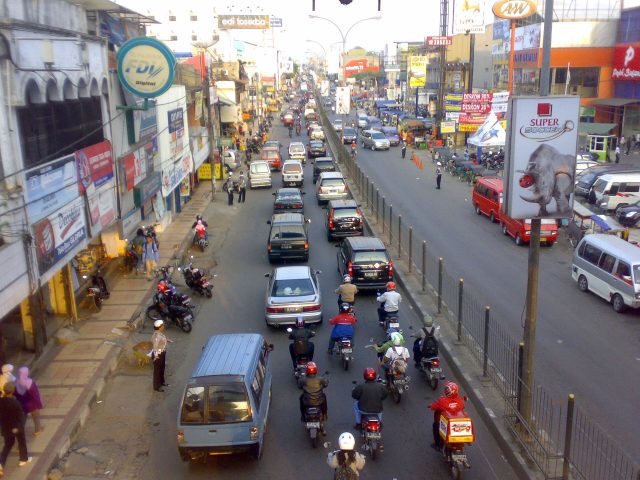
A visit to Cilegon Museum won’t take up much of your day, but it’s the kind of place that lingers in your mind long after you’ve left. The city itself is a far cry from the polished tourist destinations of Java—there are no souvenir stalls lining the streets, no guided tours vying for your attention. Instead, Cilegon offers something rarer: a chance to see Indonesia as it really is, away from the postcard-perfect images. The museum fits perfectly into this unvarnished portrait of the city, a quiet testament to the idea that history isn’t just about the big moments but also about the small, everyday details that shape a place.
In the end, Cilegon Museum is less about spectacle and more about substance. It doesn’t claim to be the most important cultural site in Indonesia, and that’s exactly why it feels so authentic. There’s no pretension here, no attempt to oversell its significance. Instead, it offers a straightforward, unfiltered look at the layers of history that have made Cilegon what it is today. For travelers who are curious about the stories that lie beyond the usual tourist trail, this little museum might just be one of those unexpected discoveries that make a journey truly memorable.