Jõgeva Cultural Center: A Place Where Community Takes Center Stage
Jõgeva, a quiet town in eastern Estonia, rarely makes it onto tourist maps. Yet those who step off the usual routes—beyond Tallinn’s medieval streets or Tartu’s lively student hubs—will find a town where life moves to its own rhythm. Here, the Jõgeva Cultural Center stands as a quiet but steady presence, shaping the town’s daily life for generations.
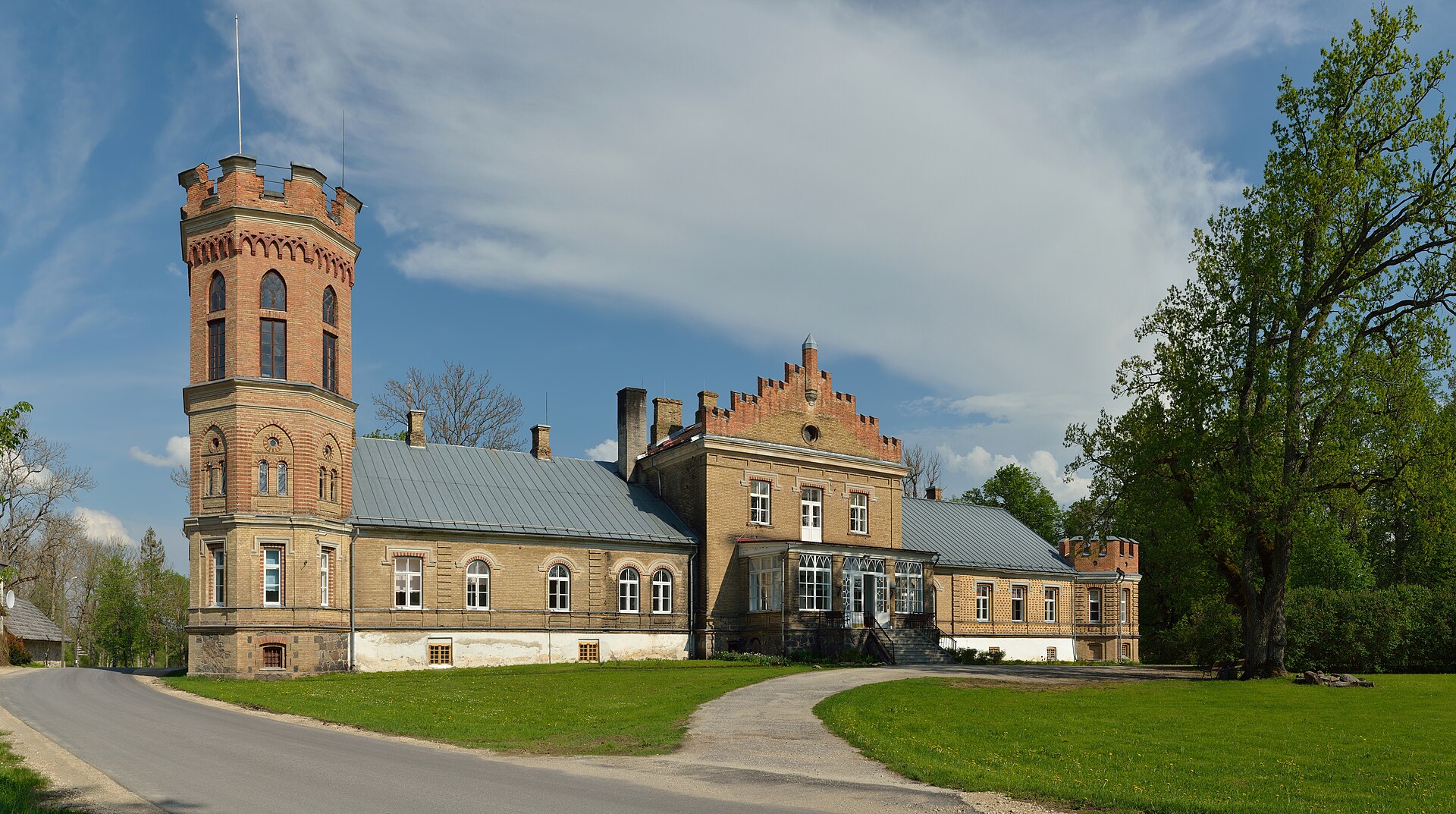
The building was put up in the 1960s, when Estonia was part of the Soviet Union. Its design is straightforward: a rectangular shape, large windows, and no unnecessary details. Inside, the spaces adapt to whatever is needed—folk concerts, theater rehearsals, or community meetings. The main hall, with its simple stage and rows of seats, has seen local performers take their first steps. Smaller rooms host workshops, classes, and gatherings that keep the town’s cultural life alive.
What gives the center its meaning isn’t the building itself, but what happens inside. In a country where rural towns often shrink and traditions fade, places like this hold things together. For older residents, it’s where they once danced at school events or watched their children perform in holiday shows. For younger people, it’s a place to try something new—music, dance, or art. It’s where people find a voice, even if the audience is small.
The center’s calendar is filled with local life. Folk ensembles play here, amateur theater groups perform, and visiting musicians stop by. During festivals, the sounds of the kannel—a traditional Estonian zither—or the accordion fill the air. There are film screenings, talks, and exhibitions that bring a bit of the outside world to Jõgeva. The programming isn’t flashy, but it reflects what the town cares about.
Beyond performances, the center is a place to learn and create. Children take art classes, adults join hobby groups, and community events—weddings, anniversaries, even local elections—happen here. In a town where many young people leave for bigger cities, these activities help keep connections strong.
During the Soviet era, such buildings often hosted state-organized events. Today, the center’s programming is shaped by the people who use it. A folk music night, a modern art workshop, or a discussion about local history—it all depends on what the community wants. This change mirrors Estonia’s own journey since 1991, when cultural spaces stopped being tools of the state and became places for people to express themselves.
If you visit the center, don’t expect a grand tourist attraction. There’s no fancy entrance or elaborate decor, just a space where people come together. If you’re lucky enough to be there during an event, you might sit among locals, watching a performance that feels real and close. The audience’s reactions—laughter, clapping, or even a quiet comment—are part of the experience.
For those who explore Estonia beyond its usual highlights, places like the Jõgeva Cultural Center show what really matters. Culture isn’t just about famous theaters or museums. It’s about the everyday efforts of people to keep their traditions alive and create new ones. In a town like Jõgeva, where life moves slower and people know each other well, the cultural center isn’t just a building. It’s where community happens.