
Tartu
Estonia · 13 places
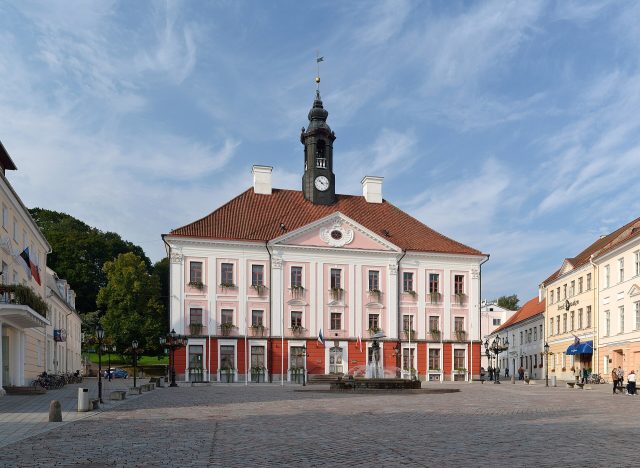
Photo: A.Savin, FAL
Tartu’s rhythm is quiet, set by the students who account for a fifth of its population. The university, founded in 1632, shapes the city—its historic buildings on Toomemägi hill stand next to modern campuses, and in the evenings, the streets fill with young people heading to libraries or cafés. But the city isn’t just for students. Cobblestone lanes wind through the Old Town, past medieval towers and wooden houses with hidden courtyards.
The Emajõgi River cuts through Tartu. In summer, its banks become a gathering place for coffee drinkers, buskers, and boat watchers. In winter, the frozen water turns into an ice rink. To see local life, sit at a café on Town Hall Square or climb Toomemägi Park for a view over rooftops and spires.
Festivals happen often. One weekend might bring jazz, the next a book fair or street art. If you’re lucky, you’ll catch one—the city’s energy changes. Squares fill with music, pop-up stages appear, and quiet corners come alive. Tartu doesn’t force excitement; it lets things unfold.
The Estonian National Museum, with its angular modern design, tells the country’s story through traditional costumes and Soviet-era exhibits. Nearby, research institutes and labs work on biotech and sustainable energy, often with the university. The city balances progress with its laid-back feel. There’s no rush, just ideas brewing in cafés and co-working spaces.
Beyond the center, Tartu opens into Estonia’s quieter landscapes. National parks and lakes lie just outside the city, with forests crisscrossed by hiking trails. Even within Tartu, there’s more to find—the underground tunnels beneath Toomemägi, once used for gunpowder, or the Toy Museum, which draws adults as much as children. The city makes you linger because it keeps revealing something new.
See & Do
All of them


Places on the map
Marker colour follows the categoryClimate and weather
Detailed weather: Tartu- Average temperature
- 7 °C
- Precipitation per year
- 670 mm
- Sunshine hours per day
- 4.7 h
Average air temperature
°C
-3
-3
1
6
12
17
18
17
13
7
2
-2
Jan
Feb
Mar
Apr
May
Jun
Jul
Aug
Sep
Oct
Nov
Dec


