Jõgeva, a quiet town in eastern Estonia, doesn’t often appear on the usual tourist routes, but those who venture here will find a place where time moves at its own unhurried pace. The Jõgeva Local Lore Museum is one of those understated spots that quietly preserves the layers of a region’s past, offering a glimpse into how life unfolded in this corner of the country over the centuries. Housed in a modest building that once served as a manor granary, the museum doesn’t overwhelm with grandeur, but its collections tell stories that are deeply rooted in the land and its people.
The museum’s origins trace back to the mid-20th century, when local enthusiasts began gathering artifacts that reflected the area’s agricultural heritage, its rural traditions, and the everyday lives of its inhabitants. Over the decades, the collection grew organically, shaped by donations from families who wanted to ensure that their histories weren’t forgotten. Today, the exhibits span from prehistoric tools unearthed in the surrounding fields to household items from the early 1900s, each piece carrying the weight of its own small narrative. There’s something quietly powerful about seeing a hand-carved wooden plow or a simple spinning wheel—objects that were once essential to survival, now resting behind glass as silent witnesses to a way of life that has mostly faded.
One of the museum’s most compelling sections is dedicated to the Estonian War of Independence, a conflict that left a deep mark on the region. Jõgeva, like many other Estonian towns, was caught in the turmoil of the early 20th century, and the exhibits here reflect both the struggles and the resilience of its people. Photographs, documents, and personal belongings of soldiers offer a human perspective on events that are often recounted in broad historical strokes. It’s a reminder that history isn’t just about dates and battles, but about the individuals who lived through them, their choices, and the legacies they left behind.
The museum also delves into the agricultural history of Jõgeva, which has long been a center for farming and food production in Estonia. The town is perhaps best known for its potatoes—so much so that it’s sometimes jokingly referred to as the "potato capital" of the country. The exhibits explore how this humble crop shaped the local economy, from the backbreaking labor of planting and harvesting to the innovations that transformed farming practices over time. There’s a certain poetry in seeing the tools and techniques that turned the land into sustenance, a connection to the earth that feels especially tangible in a place like Jõgeva, where the landscape is still defined by fields and forests.
Beyond the permanent collections, the museum occasionally hosts temporary exhibitions that focus on specific aspects of local culture, whether it’s traditional crafts, folk music, or the work of regional artists. These rotating displays add a dynamic element to the space, ensuring that even repeat visitors will find something new to discover. The museum’s staff, often locals themselves, are usually on hand to share insights or answer questions, adding a personal touch that larger institutions sometimes lack. Their knowledge isn’t just academic; it’s lived, passed down through generations, and that authenticity seeps into the way the stories are told.
The building itself, a former granary, is a piece of history in its own right. Constructed in the 19th century, it was part of the larger Laiuse Manor complex, which played a significant role in the region’s development. The architecture is unassuming—thick stone walls, wooden beams, and a simple gabled roof—but it carries the weight of its past. Walking through the rooms, you can almost hear the echoes of the workers who once stored grain here, the creak of the wooden floors, the murmur of voices long gone. The museum has done a thoughtful job of preserving the building’s character while adapting it for its new purpose, striking a balance between conservation and functionality.
For those who take the time to visit, the Jõgeva Local Lore Museum offers more than just a collection of artifacts. It’s a place where the past feels tangible, where the stories of ordinary people are given the same weight as the grand narratives of history. There’s no pretension here, no attempt to dazzle with spectacle. Instead, the museum invites you to slow down, to look closely, and to consider the quiet resilience of a place and its people. In a world that often moves too fast, that’s a rare and valuable gift.
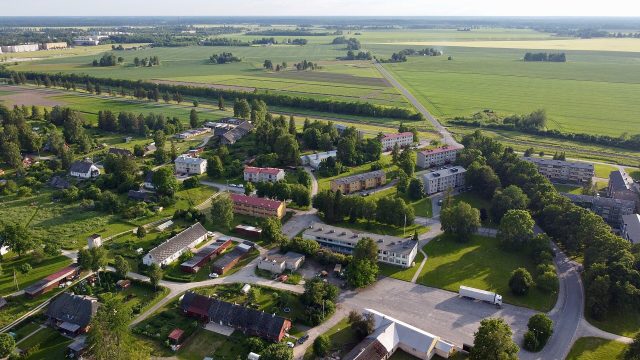
Jõgeva itself is worth exploring beyond the museum. The town is surrounded by a landscape of rolling fields, dense forests, and meandering rivers, a setting that has shaped the lives of its inhabitants for centuries. Nearby, the Pedja River offers peaceful spots for a walk or a moment of reflection, while the Laiuse Church, with its medieval roots, stands as another reminder of the region’s deep history. The town’s small size means that everything is within easy reach, and there’s a sense of community that’s hard to find in larger cities.
Visiting the museum isn’t just about ticking off a tourist attraction; it’s about stepping into a different rhythm, one that’s attuned to the land and its seasons. Whether you’re drawn by an interest in history, a curiosity about rural life, or simply the desire to experience a part of Estonia that’s often overlooked, Jõgeva and its museum offer a quiet but meaningful journey. It’s the kind of place that lingers in your memory long after you’ve left, a reminder that sometimes the most profound stories are the ones that unfold far from the spotlight.