Jõgeva
Estonia · 6 places
Photo: Bandaranaice, CC BY-SA 4.0
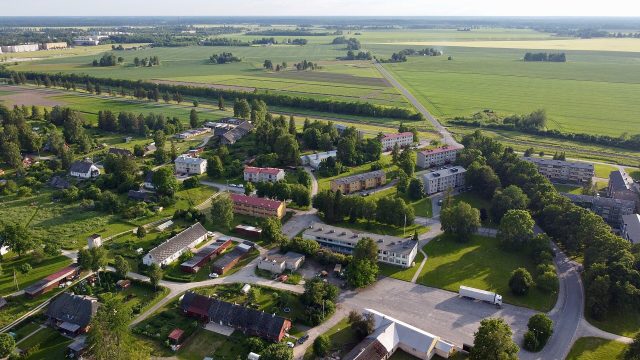
Jõgeva is the kind of place that doesn’t reveal itself at first glance. It’s not the postcard-perfect town with colorful facades and crowds of visitors, but rather a quiet neighbor living at its own unhurried pace somewhere between fields and forests. There are no medieval fortresses or bustling waterfronts here, yet it offers something often missing in bigger cities: space, silence, and the feeling that time moves just a little slower. Nestled in the heart of Estonia, Jõgeva sits in a landscape of gentle hills, dense woods, and endless fields, where roads wind between them like an invitation to take a detour and see where it leads.
The town began as a railway station in the late 19th century, when a line connecting Tartu and Tallinn was laid through the area. The railroad still plays a key role in its daily life—trains run regularly, and the station, though small, feels neat and welcoming in a homely way. Around it, a settlement gradually grew, earning town status in the 1930s. Today, Jõgeva serves as the administrative center of its county but retains the atmosphere of a close-knit community where everyone knows each other, and news travels faster than the next train arrives.
The main street, Pikk, stretches from the station toward the town center, acting as a snapshot of local life. Here, you’ll find everything you might need: small shops, cafes, a pharmacy, and the town hall, which looks like it hasn’t changed much since Soviet times. In summer, linden trees bloom along the sidewalks, and in winter, strings of lights appear on the lampposts, but the street doesn’t try to impress—it simply exists, serving its everyday purpose. A few blocks away, a park surrounds a small pond, where locals walk their dogs, push strollers, or sit on benches watching the ducks. The water sometimes blooms with algae, but that only adds to the place’s unpretentious charm.
Jõgeva doesn’t pretend to be anything other than itself. There are no world-class museums, but there is a small local history center where you can learn about the region’s past, from ancient settlements to the days when these lands were part of the Livonian Order. A memorial to World War II victims stands as a quiet reminder that even this peaceful corner of Estonia has seen difficult times. In summer, the town comes alive with festivals and fairs that draw people from nearby villages. The most famous is the strawberry festival, celebrating the region’s reputation for berries. During these days, the air smells of fresh pastries and jam, and farmers line the streets with baskets of just-picked fruit.
Winter in Jõgeva is even quieter but no less appealing. Snow blankets the rooftops and trees, and the scent of woodsmoke mixes with the crisp air. Warm lights glow in windows, making the town feel like it’s wrapped in a downy quilt. There are no ski resorts or floodlit ice rinks, but you can strap on skis and glide along forest trails or simply wander the snow-covered streets, soaking in the stillness. Locals say Jõgeva is a place for those who value peace and a slower pace, while visitors get a chance to see Estonia without the usual tourist gloss—just as it is when you step off the beaten path.
See & Do
All of them

Places on the map
Marker colour follows the categoryClimate and weather
Detailed weather: Jõgeva- Average temperature
- 6 °C
- Precipitation per year
- 534 mm
Average air temperature
°C
-4
-3
-1
4
11
16
18
16
12
6
2
-3
Jan
Feb
Mar
Apr
May
Jun
Jul
Aug
Sep
Oct
Nov
Dec