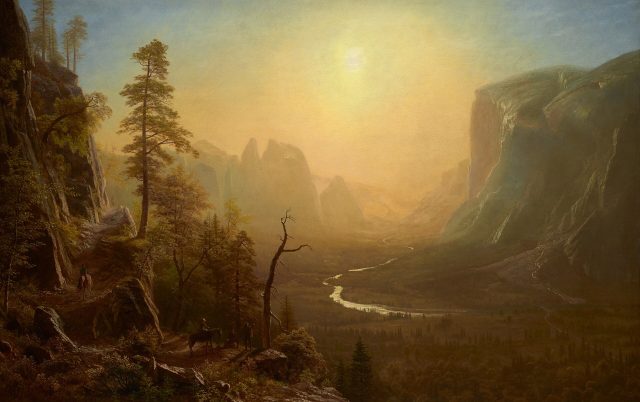
Yosemite Valley feels like the kind of place that exists only in stories—until you stand in it yourself. Carved into the heart of the Sierra Nevada, this narrow cleft of granite cliffs, waterfalls, and ancient forests has a way of making the rest of the world feel distant, almost unreal. There’s no hum of traffic here, no neon glow of cities, just the quiet rhythm of wind through the trees and the occasional rush of water over stone. It’s the kind of landscape that lingers in the mind long after you’ve left, a place that has shaped how people think about wildness, beauty, and the idea of preservation itself.
Long before it became a national park, the valley was home to the Ahwahneechee people, who called it Ahwahnee, meaning "big mouth," a name that suited its dramatic, open expanse. For centuries, they lived in balance with the land, hunting, gathering acorns, and moving with the seasons. Their presence is still felt in the names of places—like the Ahwahnee Hotel—and in the quiet dignity of the valley itself. The arrival of European settlers in the mid-1800s changed everything. The Gold Rush brought prospectors, loggers, and homesteaders, all drawn by the promise of wealth and land. But the valley’s beauty also inspired a different kind of movement—one that sought to protect it. In 1864, President Lincoln signed a law preserving Yosemite as public land, a decision that laid the groundwork for the entire national park system.
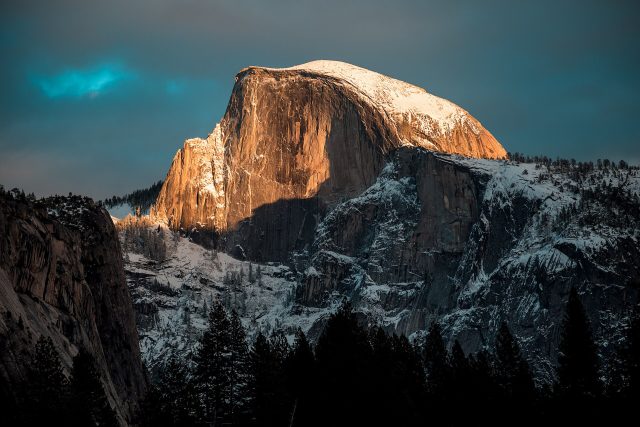
Today, Yosemite Valley is the beating heart of Yosemite National Park, accessible through a handful of controlled entrances. In summer, it hums with activity—tourists crowding the viewpoints, hikers setting out on trails, and the distant roar of waterfalls filling the air. But in winter, the crowds thin, and the valley transforms. Snow dusts the granite domes, ice forms along the Merced River, and the only sounds are the crunch of boots on frozen paths and the occasional call of a raven. It’s a different kind of beauty, quieter and more introspective, as if the land is taking a long, slow breath.
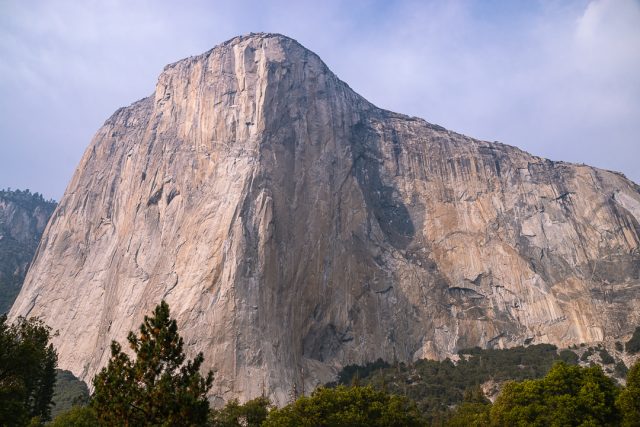
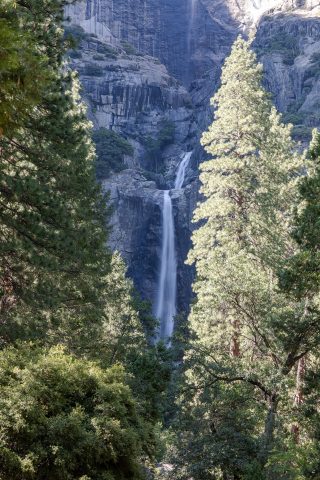
The most iconic landmark here is El Capitan, a sheer granite monolith that rises more than 3,000 feet from the valley floor. To climbers, it’s a mecca, a challenge that demands months of preparation and nerves of steel. For everyone else, it’s a humbling sight, a reminder of how small humans are in the face of natural forces. Nearby, Bridalveil Fall plunges 620 feet in a misty veil, its flow strongest in spring when the snowmelt is at its peak. By late summer, it can dwindle to a trickle, but even then, the sight of water carving its way down the cliffside holds a kind of quiet power.
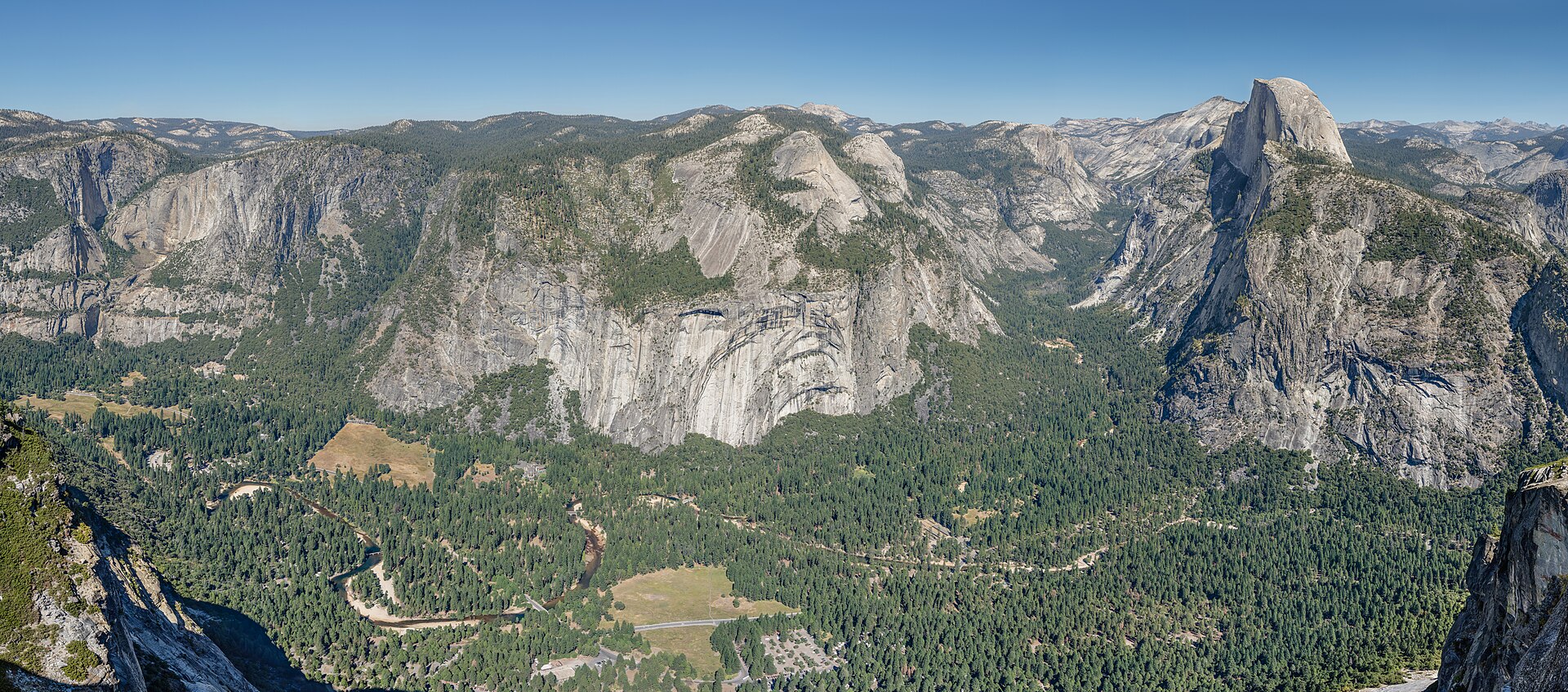
Then there’s Half Dome, the valley’s other famous silhouette, a granite crest that looks as if it’s been sliced clean in half. The hike to its summit is one of the park’s most famous, a strenuous 14-mile round trip that rewards those who make it with sweeping views of the valley below. For those who prefer a less demanding experience, the Glacier Point road offers a drive to one of the best overlooks in the park. From there, the valley spreads out like a living map—El Capitan to the west, Half Dome to the east, and the Merced River winding through the meadows like a silver thread.
But Yosemite isn’t just about the big, dramatic sights. Some of its most moving moments are found in the details—the way sunlight filters through the branches of a giant sequoia, the scent of pine needles underfoot, or the sight of a mule deer grazing in a quiet meadow. The Mariposa Grove, home to some of the oldest and largest trees on earth, feels like stepping into another era. These sequoias, some over 2,000 years old, have witnessed centuries of change, their massive trunks a testament to resilience. Walking among them, it’s impossible not to feel a sense of awe, a reminder of how fleeting human life is in comparison.
The valley has its own rhythms, its own way of marking time. Mornings often begin with a veil of mist clinging to the cliffs, the air cool and damp with the scent of wet earth. By midday, the sun burns through, and the valley comes alive—families picnicking by the river, children chasing squirrels, the distant laughter of hikers returning from the trails. As evening falls, the light softens, turning the granite cliffs gold, then pink, then deep purple. By night, the stars emerge, so bright and clear it feels like you could reach up and touch them.
What makes Yosemite special isn’t just its beauty, but the way it makes you feel. It’s a place that invites reflection, that makes the noise of everyday life fade into the background. Here, it’s impossible to rush. The best way to experience the valley is to slow down—to hike a trail without a destination in mind, to sit by the river and watch the water flow, to listen to the wind moving through the trees. It’s in those quiet moments that the valley reveals itself, not as a postcard-perfect landscape, but as something deeper, something alive.
Yosemite has a way of staying with you. Maybe it’s the memory of standing beneath a waterfall, the cold spray on your face, or the sight of Half Dome glowing in the last light of day. Maybe it’s the quiet understanding that this place has existed for millennia, long before humans, and will continue long after. It’s a reminder of how small we are, and yet how deeply we’re connected to the natural world. And perhaps that’s the real magic of Yosemite—not just its grandeur, but the way it makes you feel a part of something much larger than yourself.