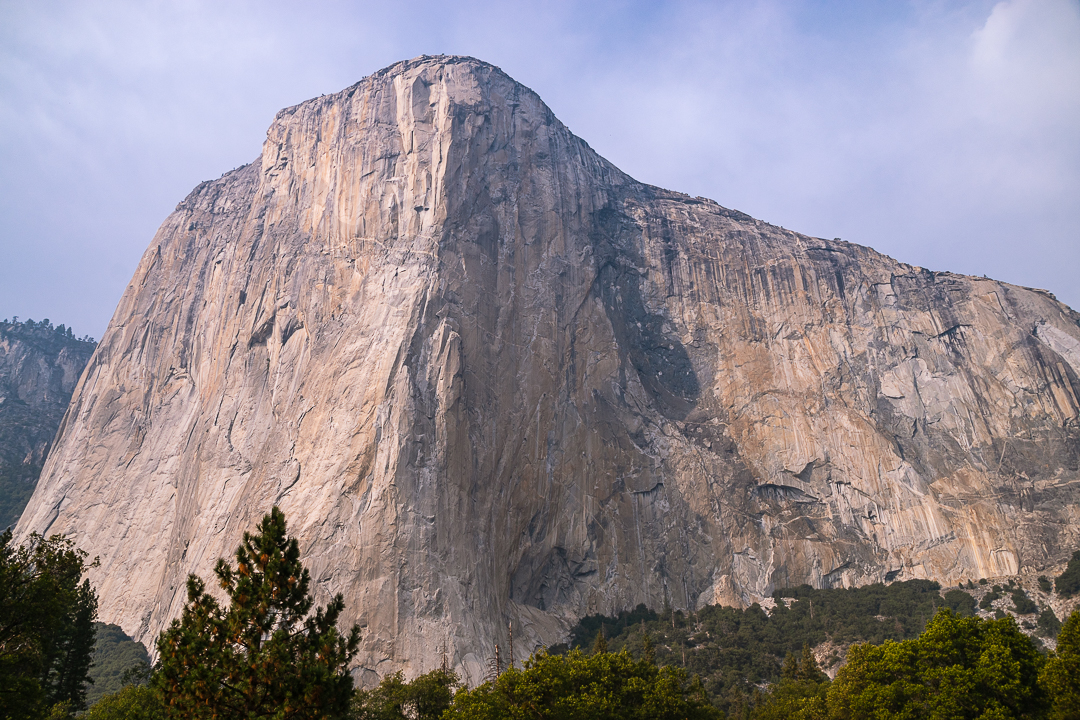
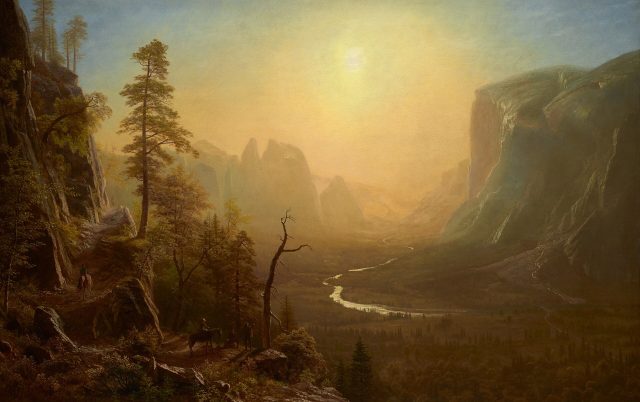
El Capitan isn’t just a rock—it’s the defining landmark of Yosemite Valley, a place that lingers in memory long after you’ve left. Rising nearly three-quarters of a mile straight from the valley floor, its sheer granite face seems impossible to scale, even from a distance. Yet that very impossibility is what draws climbers from around the world. For them, reaching the summit isn’t just a physical feat; it’s a test of endurance, patience, and something deeper. The first successful ascent in 1958 turned El Capitan into a pilgrimage site for rock climbers, a reputation it holds to this day.
The story of this monolith begins over 100 million years ago, when molten rock cooled deep beneath the earth’s surface, forming the granite that would one day stand exposed. Glaciers later carved through the valley, stripping away softer stone and leaving El Capitan’s smooth, unyielding walls behind. The granite here is unusually dense, offering few cracks or ledges for climbers to grip. Even seasoned mountaineers can spend days inching upward, relying on ropes and specialized gear to navigate the vertical expanse.
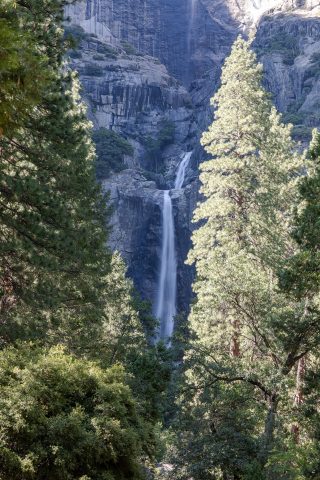
For those who prefer to keep their feet on the ground, El Capitan is still a breathtaking sight. The best views come from the meadows below, especially at dawn or dusk, when the rock glows in warm hues of gold and pink. On clear days, tiny figures of climbers can be spotted clinging to the face, a reminder of both human determination and the sheer scale of the challenge. In summer, thin waterfalls sometimes spill from the summit, though they’re modest compared to Yosemite’s more famous cascades.
Long before climbers arrived, El Capitan held deep significance for the Ahwahneechee people, who lived in the valley for generations. They called it *Totokanu Lah*, or "Chief’s Rock," and considered it a sacred place where spirits dwelled. Some of their stories and petroglyphs still exist in the valley, though much has been lost over time. Even now, walking through the meadows, you might stumble upon traces of their presence—a quiet connection to the land’s past.
El Capitan’s fame grew in the late 1800s, thanks in part to naturalist John Muir, whose writings introduced the world to Yosemite’s wonders. His descriptions of the valley’s grandeur helped inspire the creation of Yosemite National Park, ensuring that places like El Capitan would be preserved for future generations. Today, the park draws millions of visitors each year, and while many come for the waterfalls or the giant sequoias, El Capitan remains its most iconic feature—a symbol of both nature’s power and human ambition.
Among climbers, the Nose route is legendary. Stretching nearly 3,000 feet up the center of the face, it’s one of the most famous big-wall climbs in the world. The first ascent in 1958 took 47 days, a grueling effort that involved hauling gear up the wall and sleeping in makeshift hammocks. Modern climbers have pushed the limits, with some completing the route in under two hours, but for most, it’s still a multi-day ordeal. The Nose demands not just strength but strategy, as climbers must navigate sections with no shelter from wind or rain.
Beyond the climbing world, El Capitan has become a cultural touchstone. Its towering presence appears in paintings, photographs, and films, most notably in *Free Solo*, the Oscar-winning documentary about Alex Honnold’s ropeless ascent. The film captured the raw danger and beauty of the climb, introducing El Capitan to audiences who might never set foot in Yosemite. For many, it was a glimpse into a world where human skill and fearlessness collide with nature’s immensity.
You don’t need to be a climber to appreciate El Capitan. The valley offers several viewpoints where the rock dominates the skyline, none more striking than El Capitan Meadow. Here, the grassy expanse at the base provides a perfect vantage point—whether you’re watching climbers inch up the face or simply soaking in the quiet. On still days, the only sounds are the wind and the occasional cry of a bird, a rare moment of solitude in a place that’s often crowded.
Standing beneath El Capitan, it’s hard not to feel small. The rock’s sheer size puts human life into perspective, a reminder of how brief our time is compared to the ages it took to shape this landscape. Yet there’s something inspiring in that contrast, too. The climbers on the wall, the artists capturing its light, the visitors simply gazing upward—all are drawn to the same thing: the quiet majesty of a place that has stood for millennia and will remain long after we’re gone. Whether you come for the challenge, the view, or just the chance to stand in its shadow, El Capitan leaves an impression that doesn’t fade.