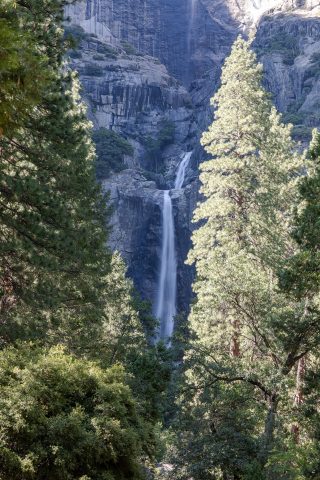
Mariposa Grove is where the forest takes on a grandeur unlike anywhere else. Tucked into the southern edge of Yosemite National Park, this grove is home to some of the oldest and largest living things on Earth—giant sequoias that have stood for over two thousand years. Their towering trunks and sprawling canopies don’t just dominate the landscape; they define it. Walking among them feels less like a stroll through the woods and more like stepping into a living museum, where each tree has witnessed centuries of change, surviving fires, droughts, and the slow march of time.
The grove wasn’t always a place for visitors. Long before it became part of the national park, the land was known to the Ahwahneechee people, who considered the sequoias sacred. European settlers first encountered these trees in the 1850s, and their sheer size left them in awe. One of those early explorers, Galen Clark, later became Yosemite’s first guardian, working to protect the grove from logging and development. His efforts helped ensure that Mariposa Grove would remain intact for future generations, a decision that now feels almost prescient given how rare these ancient forests have become.
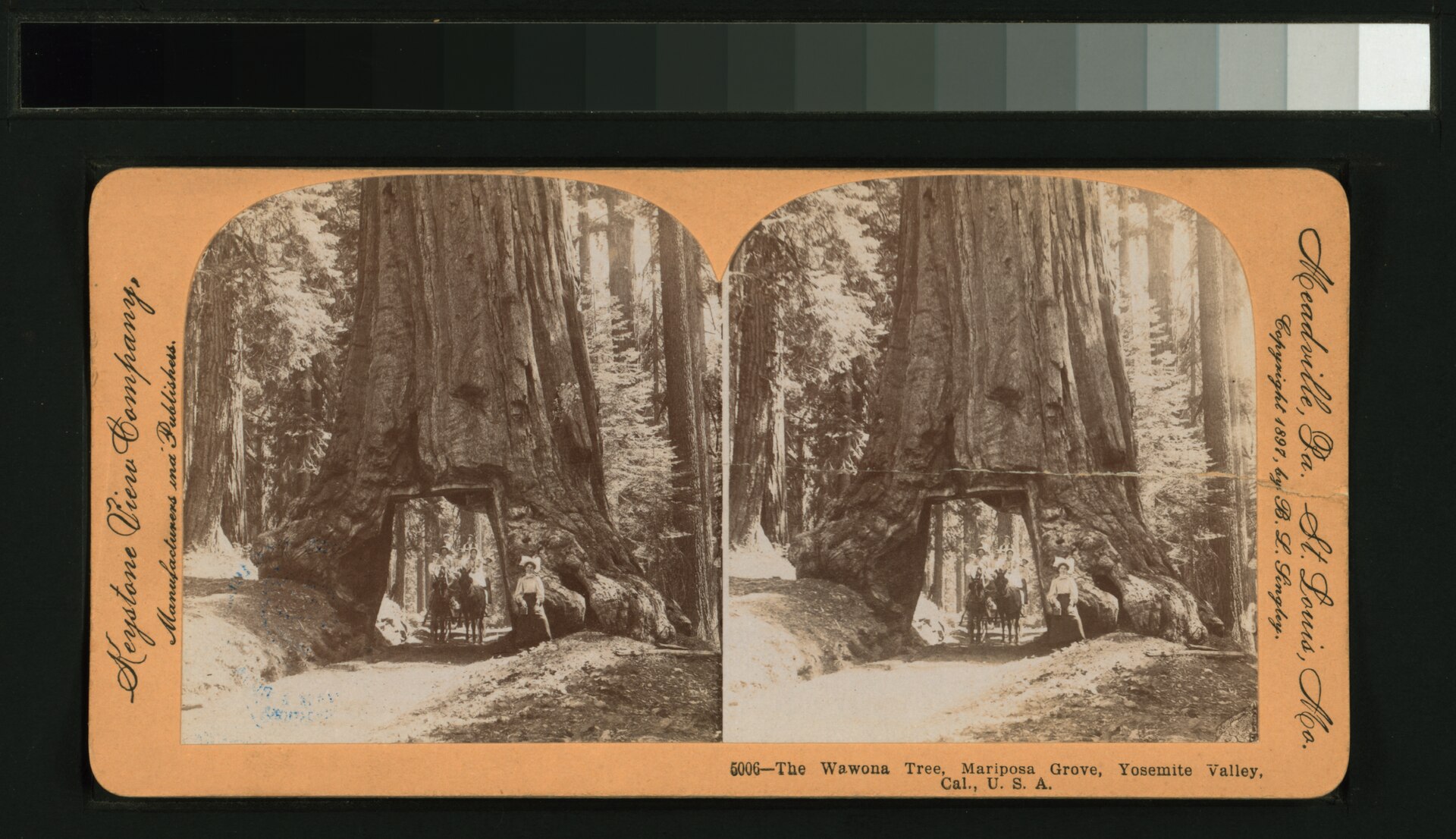
The most famous tree here is the Grizzly Giant, estimated to be around 1,500 years old. Its trunk measures nearly ten meters across, and its roots grip the earth so firmly that the tree remains upright even on steep slopes. Nearby, other sequoias, though slightly less massive, are no less impressive. The California Tree, for instance, once had a tunnel carved through its base so that stagecoaches could pass through—a practice that seems unthinkable today. The tunnel is now closed to vehicles, but the tree still stands, a quiet testament to an era when humans saw these giants as curiosities to be altered rather than revered.
The best way to experience Mariposa Grove is on foot, starting from the lower grove where a small visitor area provides basic information. From there, trails wind upward, revealing new perspectives with each turn. Some paths meander between the towering trunks, while others open onto sunlit clearings where light filters through the canopy in shifting patterns. Along the way, signs identify notable trees and share snippets of their history, though the real story is told by the trees themselves. On quiet days, the only sounds are the rustle of leaves and the occasional call of a bird, a reminder of how removed this place is from the noise of the modern world.
Sequoias are uniquely adapted to survive in ways that seem almost miraculous. Their thick, tannin-rich bark makes them nearly fireproof, and their cones only release seeds when exposed to intense heat, ensuring that new growth can take root in the nutrient-rich soil left behind by wildfires. For centuries, fires were a natural part of the ecosystem, but when humans began suppressing them, the balance was disrupted. Today, the park conducts controlled burns to mimic this process, giving young sequoias the chance to grow and ensuring the grove’s survival for centuries to come.
What makes Mariposa Grove special isn’t just the trees—it’s the atmosphere they create. Unlike the crowded trails and overlooks in other parts of Yosemite, this place feels untouched, as if the outside world barely exists. There are no amusement-park distractions here, just the quiet hum of nature and the sense that you’ve stepped into a landscape that has remained largely unchanged for millennia. The grove shifts with the seasons: cool and lush in summer, golden in autumn, and dusted with snow in winter, when the trees take on an almost otherworldly beauty.
For many visitors, a walk through Mariposa Grove becomes the highlight of their time in Yosemite. There’s no need to rush or follow a strict itinerary—you can wander at your own pace, pausing wherever something catches your eye. Some come at dawn to watch the first light filter through the branches, while others linger until dusk, when the forest glows in the soft, golden light. The grove doesn’t demand attention; it simply offers itself, inviting you to slow down and take it in.
Beyond the trees, the grove is alive with wildlife. Squirrels dart between branches, woodpeckers tap at the bark, and if you’re lucky, you might spot a deer grazing in a clearing. These moments reinforce the sense that you’ve entered a world governed by its own rhythms, where time moves differently. Mariposa Grove isn’t just a place to visit—it’s a place to remember, a reminder of why these ancient forests matter. They’re not just relics of the past; they’re living connections to a time when the natural world was vast and untamed, and they offer a glimpse of what the Earth once was—and what it could be again.