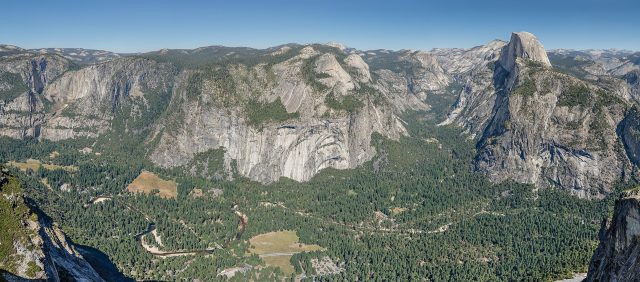
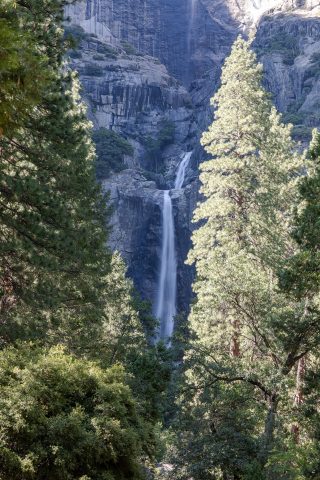
Glacier Point isn’t just another overlook in Yosemite Valley—it’s where the scale of the natural world becomes impossible to ignore. From more than two thousand meters up, the view stretches across a landscape that feels both vast and intimate. Below, the valley unfolds like a living map, framed by sheer granite walls and the endless forests of the Sierra Nevada beyond. The light here moves slowly, shifting the color of the rocks from soft pink at dawn to warm gold by sunset, while shadows lengthen and blur into the distance. It’s the kind of place where time seems to pause, if only for a moment.
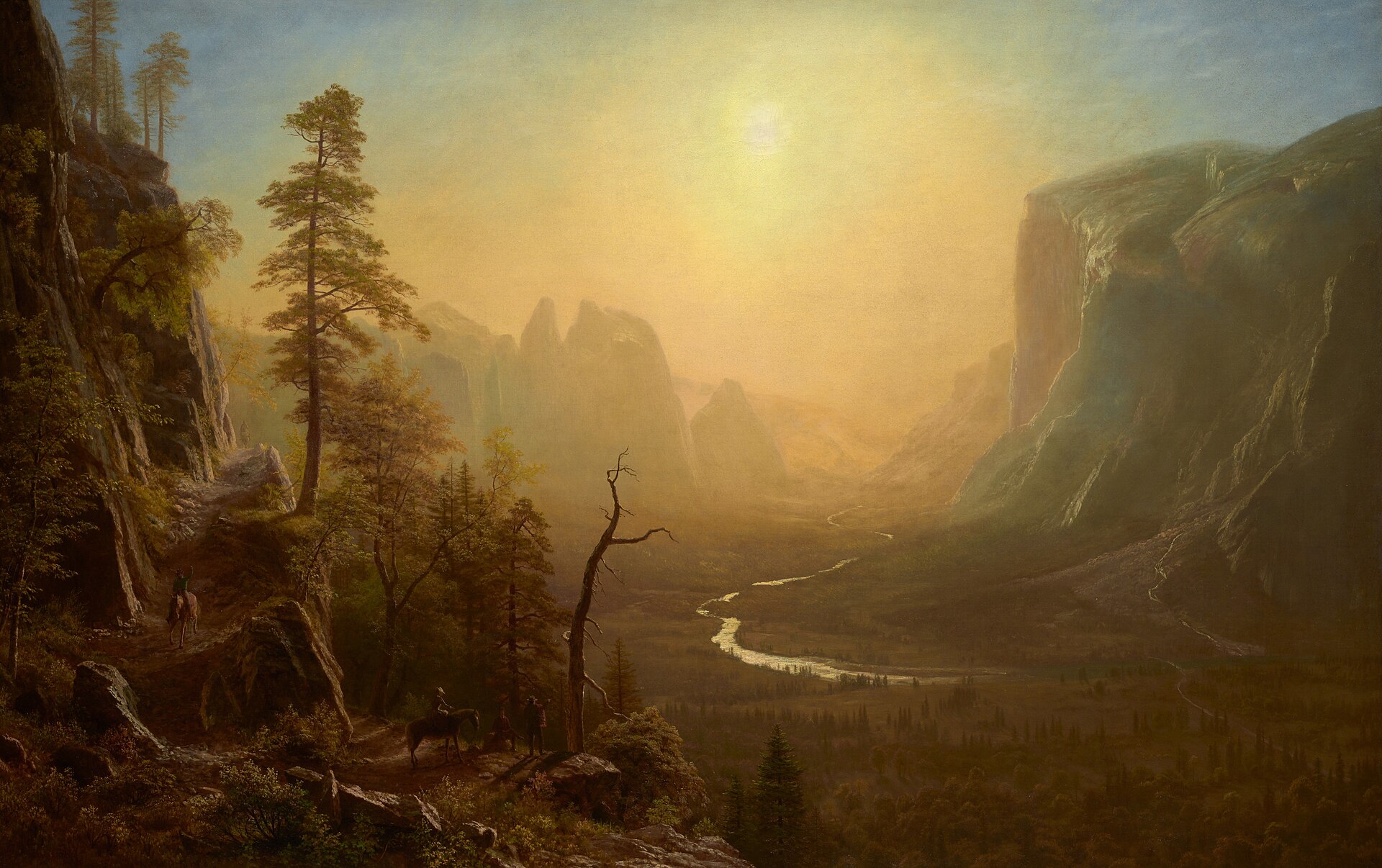
A century and a half ago, reaching this spot was no small feat. When Yosemite first began drawing visitors in the late 1800s, the only way up was on foot or horseback along a narrow, winding trail. The journey took hours, and not everyone was willing to make the climb. Today, an asphalt road leads most of the way, but the sense of remoteness hasn’t faded. In summer, cars line up at the parking lot, while in winter, when the road closes, the only way to get here is on skis or snowshoes. The view then becomes even more dramatic—quieter, wilder, as if the valley has been left to itself.
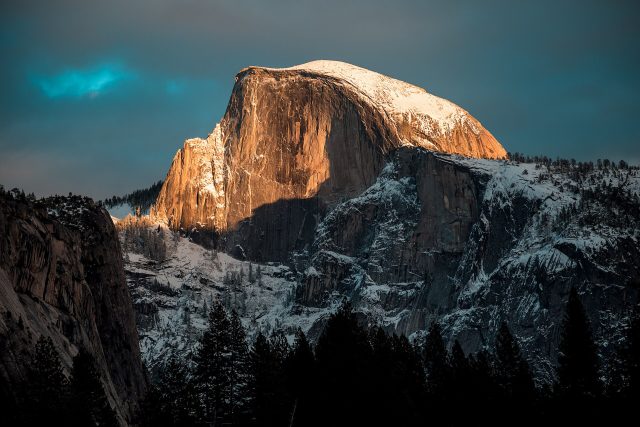
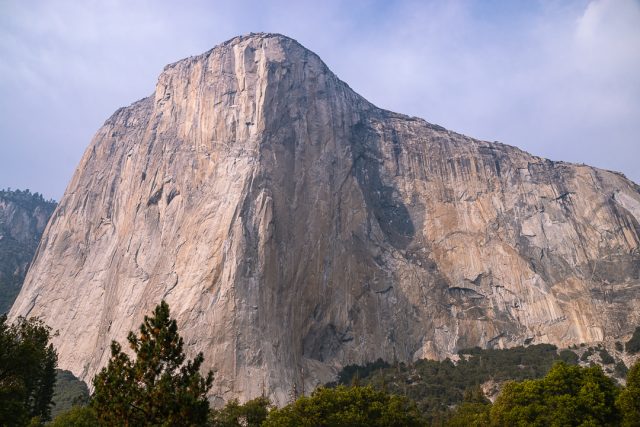
The rock beneath your feet tells a story older than human memory. Glaciers carved this ledge over millennia, grinding down granite into smooth faces and jagged peaks. The same forces shaped the valley below, leaving behind landmarks like Half Dome and El Capitan, which rise from the forest like monumental sculptures. From here, Half Dome appears in profile, the angle that has made it one of the most photographed formations in the park. It’s easy to see why—its sheer face catches the light in a way that makes it seem almost alive.
Glacier Point has always been more than just a viewpoint. In the early 1900s, a small hotel stood here, a rustic retreat for travelers who wanted to wake up to this view. It burned down in 1969, and now only the foundation remains, a quiet reminder of the past. The crowds still come, especially at sunset, when people spread out across the rocks with thermoses and cameras. But in winter, the place belongs to the wind and the occasional call of a Steller’s jay. The silence then feels almost sacred.
The weather here changes fast. One moment, the valley is bathed in sunlight; the next, clouds roll in, turning the landscape into a misty blur before clearing just as quickly. Spring and fall are especially striking—wildflowers bloom in the meadows below, while the first snow dusts the higher slopes. Summer brings the scent of pine and dry grass, and in the evenings, a thin haze rises over the valley. It’s a place where the air itself feels different, thinner and crisper.
For those who want to explore further, Glacier Point is a natural starting point. The trail to Illilouette Fall begins here, winding down to one of the park’s most scenic waterfalls, which roars to life in spring. The Four Mile Trail, once a toll road for early tourists, descends into the valley—a steep, rewarding hike that takes several hours. It’s not a walk to rush; the path demands attention, with every switchback revealing a new angle of the landscape.
Unlike some of Yosemite’s more crowded spots, Glacier Point retains a sense of quiet, even in peak season. There’s always a corner where you can sit alone on the rocks, watching the light shift across the valley. Maybe that’s why it draws photographers, painters, and anyone looking to step away from the noise of everyday life. The place doesn’t ask for much—just that you pay attention to what’s in front of you.
The road to Glacier Point closes with the first heavy snow, usually in November, and doesn’t reopen until late spring. If you come in winter, you’ll have to make the journey on your own, without a car. But those who do are rewarded with a solitude few experience—the kind where the only sounds are the wind and the occasional crack of ice. In summer, arriving early is key, both to find parking and to catch the sunrise before the crowds.
Glacier Point isn’t just a destination; it’s a reminder of how small we are in the face of something much larger. There are no distractions here, no man-made embellishments—just rock, sky, and a valley that exists on its own terms. That might be why people keep coming back. Not for the view alone, but for the way it makes you feel: like the world is bigger, and stranger, and more beautiful than you remembered.