- Home
- United States
- Yosemite Valley
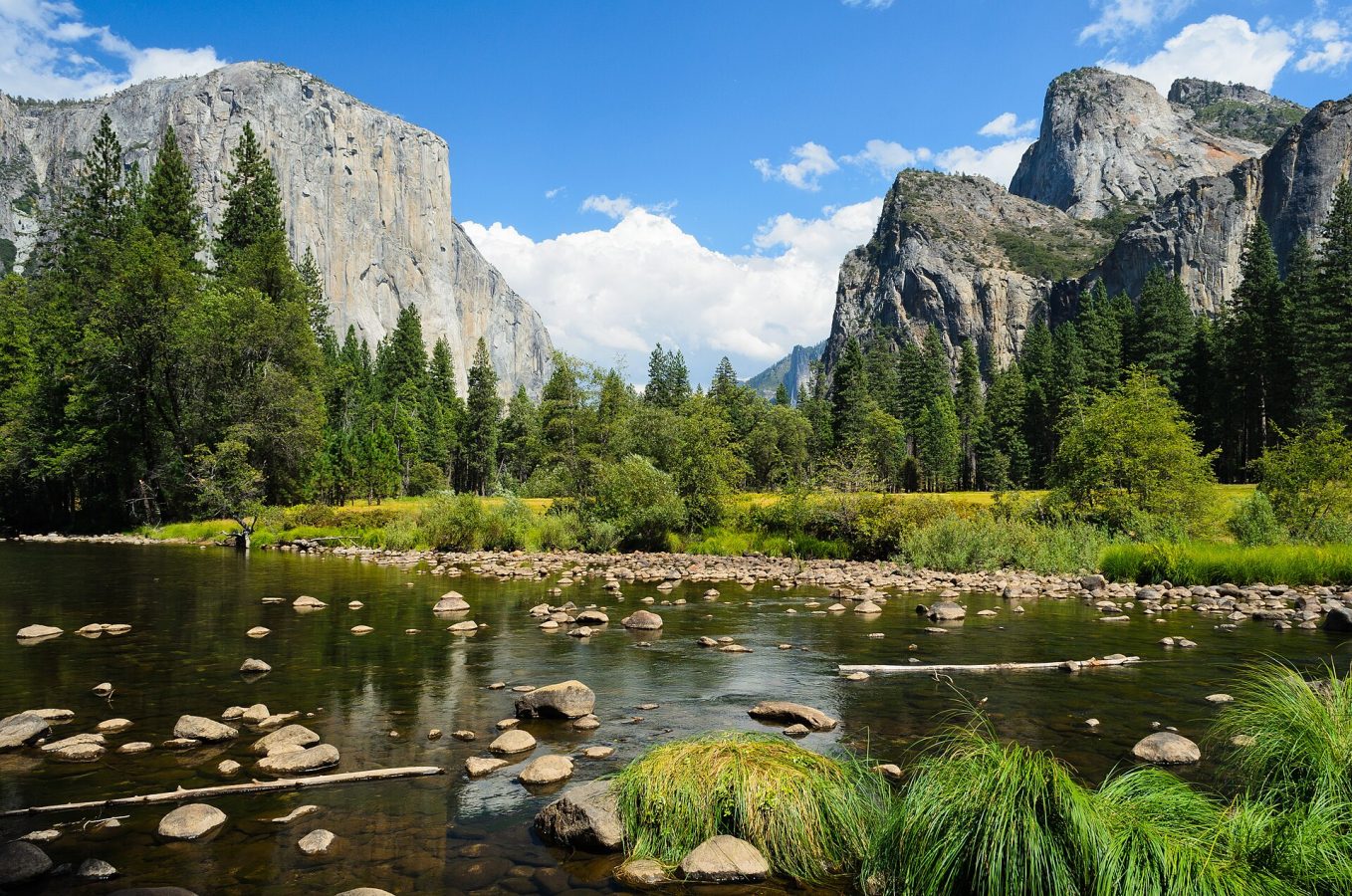
Yosemite Valley
United States · 7 places
Photo: King of Hearts, CC BY-SA 3.0
Yosemite Valley
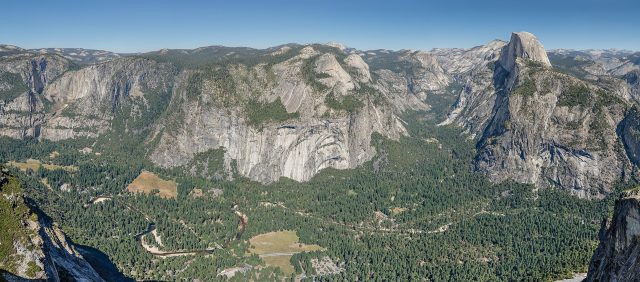
Yosemite Valley is a place of granite walls, waterfalls, and changing seasons. It sits inside one of America’s oldest national parks, where even on busy days, quiet spots hide just off the main trails. The sound of pine needles underfoot and the distant rush of water replace the noise of crowds.
Snow covers the trees in winter, turning waterfalls into ice. Summer brings wildflowers, swollen rivers, and the scent of warm pine. Autumn paints the forests in gold and red, while spring fills the valley with rushing water from melting snow. Each season offers something different, even to those who’ve visited before.
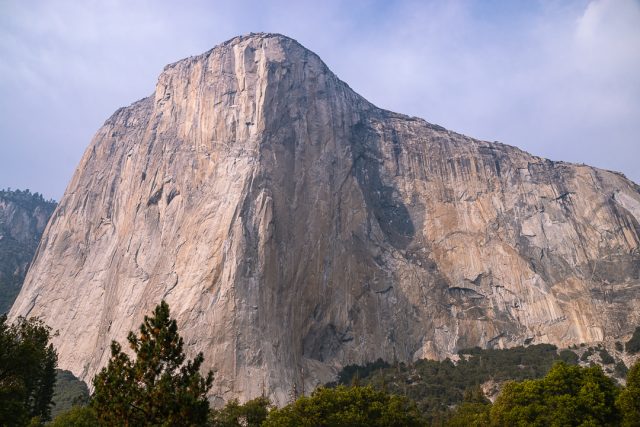
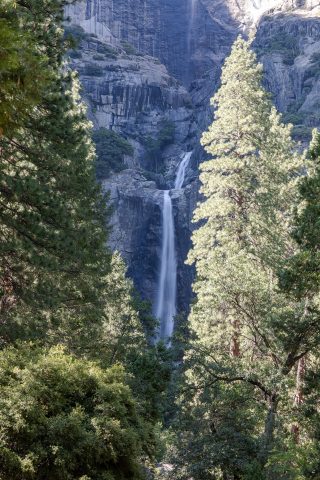
El Capitan stands nearly a mile high, its granite face drawing climbers from around the world. Half Dome’s flat summit is visible from almost anywhere in the park. Hiking to its top takes effort, but the view stays with you. Yosemite Falls, one of North America’s tallest, roars loudest in spring when snowmelt feeds it.
Trails wind through the valley, from short walks to long backpacking trips. You can bike along the valley floor, raft the Merced River, or picnic by a lake. Campgrounds let you sleep under the stars, and winter brings skiing and snowshoeing. This is wild land—it asks for respect but rewards those who pay attention.
For centuries, Indigenous peoples lived here, considering these lands sacred. Later, Yosemite became a symbol of conservation, proving nature could be protected. Today, it’s a place where everyday noise fades, leaving only quiet, space, and the feeling that you’re part of something vast.
See & Do
All of them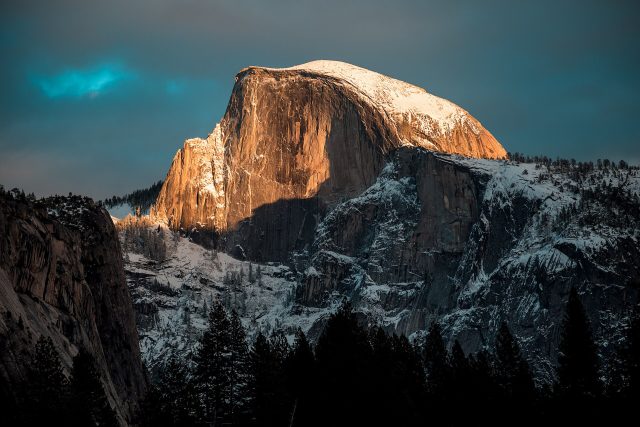
Places on the map
Marker colour follows the categoryClimate and weather
Detailed weather: Yosemite Valley- Average temperature
- 15 °C
- Precipitation per year
- 156 mm
Average air temperature
°C
4
6
9
14
18
24
28
26
22
15
8
4
Jan
Feb
Mar
Apr
May
Jun
Jul
Aug
Sep
Oct
Nov
Dec


