Viña del Mar
Chile · 6 places
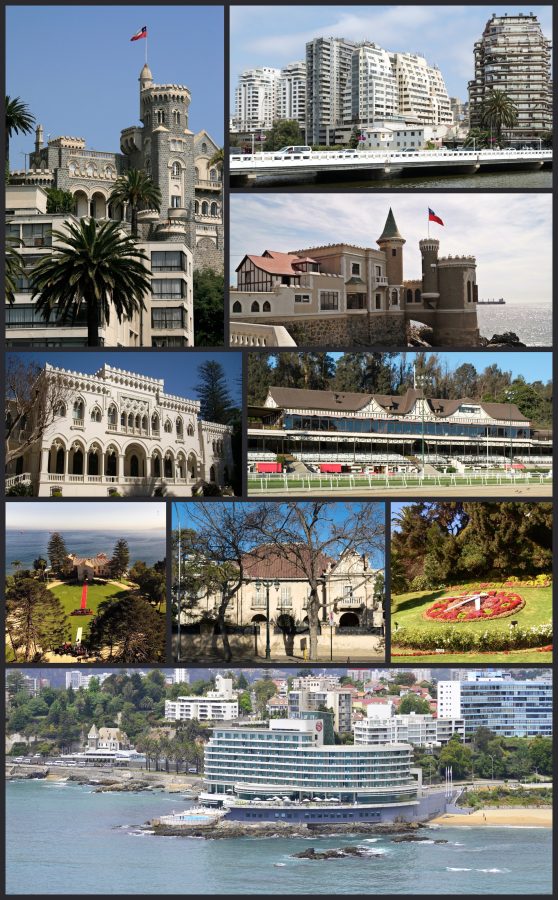
Photo: Montaje realizado por Wikiedro, CC BY-SA 4.0
Viña del Mar sits along Chile’s Pacific coast like a quieter, more deliberate answer to the energy of nearby Valparaíso. While its neighbor clings to steep hills with its rainbow of houses and bustling streets, Viña unfolds in long, gentle stretches of sand, palm-lined avenues, and a pace that feels deliberately unhurried. The city was built for leisure—kilometers of oceanfront promenades, bike paths tracing the shore, and parks where the only agenda is finding a shady bench with a book or a coffee. There’s no rush here, just the steady rhythm of waves and the occasional clatter of a bicycle passing by.
The nickname "Garden City" suits it perfectly. Green spaces spill across Viña del Mar, from the manicured plazas downtown to the botanical gardens that shelter rare plants from around the world. One of the best is Quilpué Park, perched on a hillside with sweeping views of the ocean and the city below. Its winding paths are shaded by trees, making it a pleasant escape even in the height of summer. The beaches, like Reñaca and Acapulco, draw crowds when the weather is warm, but the city never feels overrun. People come to surf, sunbathe, or simply wander the shoreline as the tide recedes, leaving behind pools of seawater in the sand.
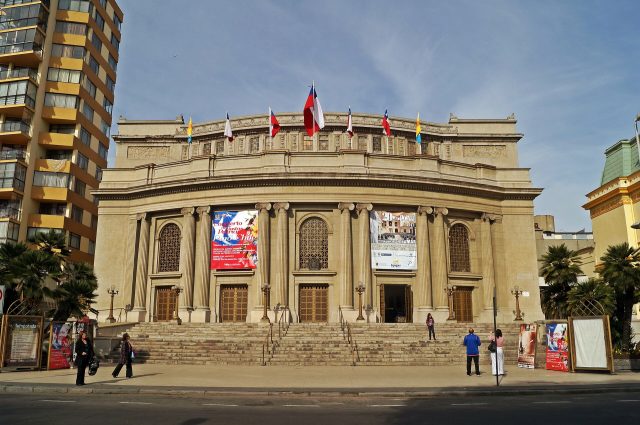
Viña del Mar has always been more than just a beach destination. In the early 20th century, it became a retreat for Chile’s elite, and the grand estates they left behind still lend the city a touch of elegance. Some of the most striking are the mansions in French neoclassical or English Gothic styles, their ornate facades standing in contrast to the laid-back coastal vibe. The most famous landmark, though, is the flower clock in Plaza Las Flores—a colorful, oversized timepiece that has become a meeting spot for locals and visitors alike. Nearby, the small but fascinating Fonck Museum offers a glimpse into Chile’s pre-Columbian past, with artifacts that tell the stories of the country’s Indigenous cultures.
What makes Viña del Mar special is its refusal to perform for tourists. The city moves at its own pace, whether that means haggling over fresh seafood at the morning market, browsing the pedestrian streets lined with shops and cafés, or settling into a waterfront restaurant for a plate of local salmon or sea urchin. There’s no need to chase experiences here; the best ones unfold naturally—a sunset over the ocean, a conversation with a vendor at the fish market, or the simple pleasure of watching the waves roll in. Viña doesn’t try to impress. It just offers a place to slow down, breathe in the salt air, and understand why Chileans have loved it for generations.
See & Do
All of them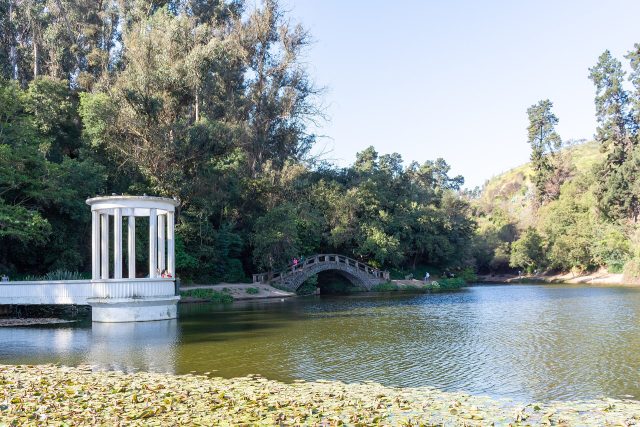

Places on the map
Marker colour follows the categoryClimate and weather
Detailed weather: Viña del Mar- Average temperature
- 16 °C
- Precipitation per year
- 555 mm
- Average humidity
- 75 %
- Sunshine hours per day
- 10.1 h
- Time zone
- UTC-3 (GMT-3)
Average air temperature
°C
20
20
19
17
14
13
12
13
14
15
17
19
Jan
Feb
Mar
Apr
May
Jun
Jul
Aug
Sep
Oct
Nov
Dec