Viña del Mar has a way of holding onto its past, and nowhere is that more evident than at the Palacio Vergara. Built in the early 1900s, this grand estate was once the home of one of Chile’s most prominent families, a place where wealth and ambition found their most elegant expression. The palace stands as a quiet witness to the city’s transformation from a coastal retreat for the elite into the vibrant, if somewhat more democratic, destination it is today. Even from the outside, it’s easy to see why the Vergara family chose this spot—perched on a gentle rise, surrounded by gardens that soften the edges of the city, the building feels both imposing and inviting.
The story of the palace begins with José Francisco Vergara, the man who founded Viña del Mar, and his wife, Mercedes Álvarez. Their vision was to create a residence that would reflect their status while offering a refuge from the demands of public life. In 1906, their dream took shape under the guidance of architect Ettore Petri, who drew inspiration from the grand villas of Italy and France. The timing was almost poetic—the same year, a devastating earthquake struck central Chile, leaving much of the region in ruins. Yet the Palacio Vergara stood firm, its sturdy construction a testament to both the skill of its builders and the resilience of the family’s ambitions.
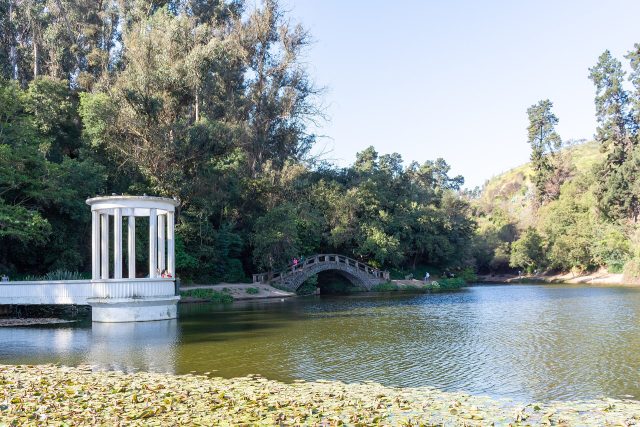
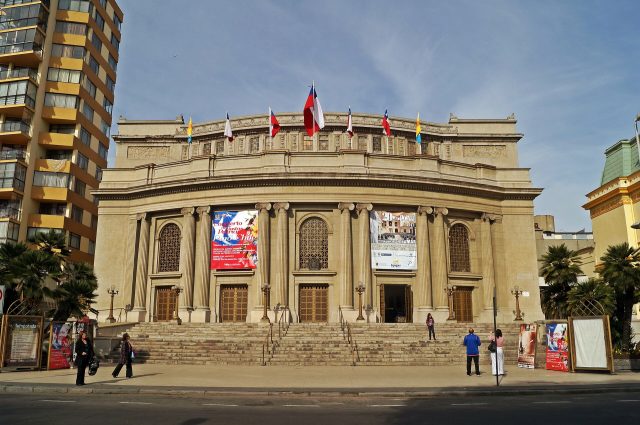
From the outside, the palace is a study in contrasts. The pale stone facade, warmed by the Chilean sun, gives way to intricate details—tall, arched windows framed by delicate plasterwork, sturdy columns that hint at classical influences, and wrought-iron balconies that add a touch of romance. The building doesn’t shout its grandeur; instead, it unfolds gradually, revealing more with each step. The surrounding park, with its mature trees and winding paths, feels like an extension of the palace itself. In summer, the shade offers relief from the heat, while in winter, the rustling leaves create a soundtrack of quiet persistence.
Inside, the palace retains much of its original character. The interiors are a mix of opulence and restraint—carved wooden panels, marble fireplaces, and stained-glass windows that filter the light into jewel-toned hues. Since the 1930s, the building has housed the Museum of Fine Arts, a collection that spans Chilean and European artists from the 19th and 20th centuries. The art is worth seeing, of course, but the real draw is the sense of stepping into another era. The furniture, the layout of the rooms, even the way the light falls through the windows—it all feels deliberately preserved, as if the Vergara family might return at any moment.
Viña del Mar was conceived as a playground for Chile’s elite, a place where the wealthy could escape Santiago’s formality and enjoy the coastal climate. The Palacio Vergara embodies that spirit, a relic of a time when the city was less about tourism and more about leisurely afternoons, garden parties, and the quiet pursuit of culture. Today, the palace remains one of the city’s defining landmarks, a reminder of how Viña del Mar became the refined yet unpretentious place it is now. It’s not just a museum; it’s a piece of the city’s identity, woven into the fabric of its streets and parks.
The palace is open to anyone curious enough to wander in. Guided tours offer a deeper dive into its history—stories of the Vergara family, the architectural choices that shaped the building, and its role in Chile’s cultural life. The gardens, meanwhile, are a favorite spot for locals and visitors alike. Some come to walk their dogs, others to sit on the benches and watch the world go by. In the evenings, when the palace is lit from within, the effect is almost magical, as if the building itself is glowing with the memories of a hundred years.
What makes the Palacio Vergara special isn’t just its beauty or its history, but the way it feels alive. It’s not a sterile monument; it’s a place where the past and present coexist. The art on the walls, the creak of the floorboards, the way the sunlight spills across the marble—it all adds up to something more than a museum. For those who take the time to explore, the palace offers a glimpse into a world that no longer exists, a world of quiet elegance and deliberate craftsmanship. And even if you’re not particularly interested in history or art, the building and its gardens have a way of slowing you down, of making you pause and appreciate the moment. In a city that’s always moving forward, the Palacio Vergara is a reminder to look back.