Lake Tana (Bahir Dar)
Ethiopia · 4 places
Photo: O.Mustafin, CC0
Bahir Dar
Bahir Dar sits where Lake Tana’s waters meet the sky. On calm mornings, the horizon vanishes into mist. The city is small, its streets quiet but alive beneath the surface. This is Ethiopia without Addis Ababa’s rush—no crowds, no weight of history at every turn. Instead, there’s room to watch the light shift over the water, to let days pass slowly.
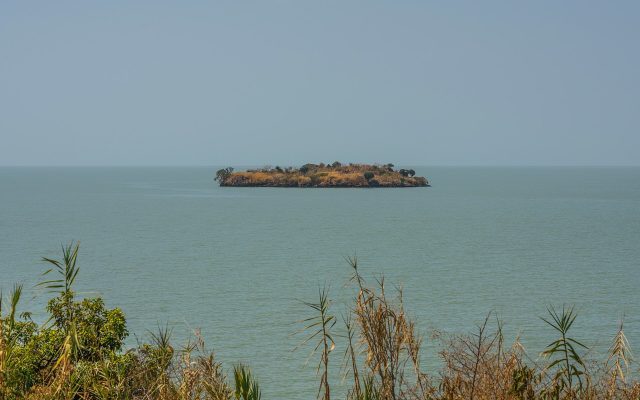
Lake Tana shapes the city. Fishermen cast nets at dawn, hauling tilapia and catfish that later sizzle over open flames. The shores are fertile, feeding nearby villages. But the lake’s real draw is its islands, each holding monasteries centuries old. Some are off-limits, their doors closed to visitors, but even from the outside, the stone and greenery against the water stand out. Ura Kidane Mihret, with its frescoes, is open—colors still bright after hundreds of years.
The Blue Nile starts here, spilling from Lake Tana before crashing over Tis Issat Falls. In the rainy season, the water thunders down, mist rising like smoke. The sound carries for miles, a deep rumble in the chest. When the dry season comes, the falls shrink, but the view remains—a river breaking into chaos, then smoothing into the valley below.
Life in Bahir Dar follows the lake’s rhythm. Mornings begin with coffee roasting in open-air stalls, beans crackling in pans before being brewed in a clay *jebena*. The ritual is slow, shared. By evening, the lakeside fills with people—some walking, others sitting, watching the sun sink into the water.
Bahir Dar doesn’t overwhelm. No obelisks, no crowded markets like Axum or Gondar. Just the lake’s stillness, palm fronds rustling, days stretching longer. It doesn’t demand attention but rewards those who stay. For travelers who prefer the feel of a place over a checklist of sights, it offers something simple: time, without hurry.
See & Do
All of them


Places on the map
Marker colour follows the categoryClimate and weather
Detailed weather: Lake Tana (Bahir Dar)- Average temperature
- 20 °C
- Precipitation per year
- 1507 mm
Average air temperature
°C
20
22
23
24
22
21
18
18
19
19
19
19
Jan
Feb
Mar
Apr
May
Jun
Jul
Aug
Sep
Oct
Nov
Dec