- Home
- United Kingdom
- Bath
Bath
United Kingdom · 2 places
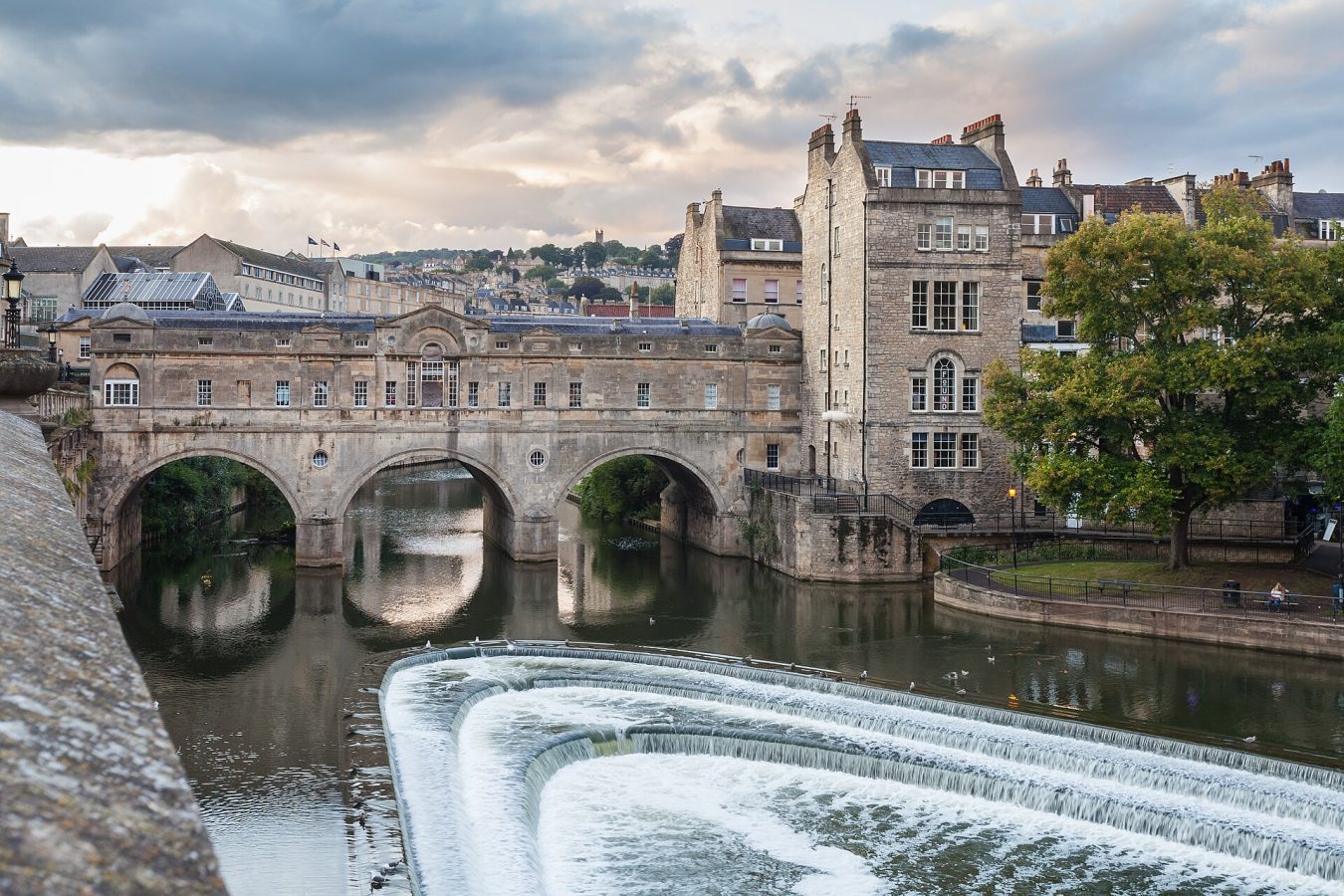
Photo: Diego Delso, CC BY-SA 4.0
Bath doesn’t just preserve history—it lives it. The city spreads across the Avon Valley’s gentle hills, its honey-coloured stone buildings catching the soft English light, especially on misty mornings when the sun struggles to break through. The streets curve around ancient landmarks, the air carries the scent of mineral springs, and the past isn’t something you observe from behind a rope. It’s part of daily life here, where Georgian elegance meets Roman ruins, and modern cafés sit beside centuries-old bathhouses.
The Romans first noticed Bath’s hot springs nearly two thousand years ago. They built Aquae Sulis, a sprawling complex of baths and temples. The Great Bath, with its steaming green waters, is the heart of the Roman Baths museum. Visitors walk along the same stone pavements once used by soldiers and merchants. Underground channels that carried heated water still exist. Centuries later, Bath became the playground of the English aristocracy. Architects like John Wood the Elder and Younger shaped its graceful crescents and terraces, giving the city its harmonious look.
Walking through Bath feels like stepping into a history book that’s still being written. The Royal Crescent, a sweeping arc of 30 terraced houses, was where high society gathered in the 1770s. Pulteney Bridge, lined with shops, mirrors Florence’s Ponte Vecchio. Its reflection shimmers in the river below. Bath Abbey’s Gothic spires rise above the city. Inside, sunlight filters through stained glass, shifting patterns across vaulted ceilings. The Assembly Rooms, once the social hub of Georgian Bath, still host concerts and exhibitions.
The city’s thermal waters are its most famous feature. The Roman Baths are a must, but the experience doesn’t end there. Thermae Bath Spa lets visitors soak in the same mineral-rich waters that have flowed here for millennia. The rooftop pool offers a view of steam rising against historic rooftops and the abbey’s spire. The water is warm, slightly salty. Beyond the spas, Bath’s wellness culture includes boutique hotels with afternoon tea and aromatherapy massages.
Bath isn’t just a museum. The streets hum with students from the university, the clink of coffee cups, and the rustle of book pages in tiny bookstores. In the evenings, pubs fill with conversation and the occasional guitar. The food is simple but good: Sunday roasts, artisanal cheeses, locally brewed ales. For a different view, climb Beechen Cliff. The city sprawls below in golden stone and green parks. Sunset gilds the rooftops, and the river glows like liquid silver.
What makes Bath special? It doesn’t try too hard. It’s timeless but not frozen. The best moments happen by accident—finding a hidden courtyard, lingering over tea in a centuries-old café, or sitting by the river as the light fades. Bath doesn’t demand attention. It invites you to slow down, to notice the details. That’s why people return—not just for the sights, but for the feeling of stepping into a place that moves at its own pace.
See & Do
All of them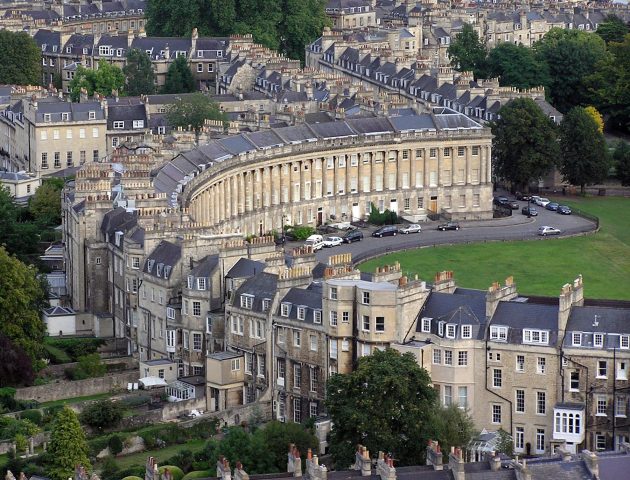
Places on the map
Marker colour follows the categoryClimate and weather
Detailed weather: Bath- Average temperature
- 11 °C
- Precipitation per year
- 1068 mm
- Average humidity
- 82 %
- Sunshine hours per day
- 7.3 h
- Time zone
- UTC+1 (GMT+1)
Average air temperature
°C
4
6
7
9
13
16
17
17
15
12
8
7
Jan
Feb
Mar
Apr
May
Jun
Jul
Aug
Sep
Oct
Nov
Dec


