Taormina
Italy · 7 places
Photo: John Menard from Phoenix, USA, CC BY-SA 2.0
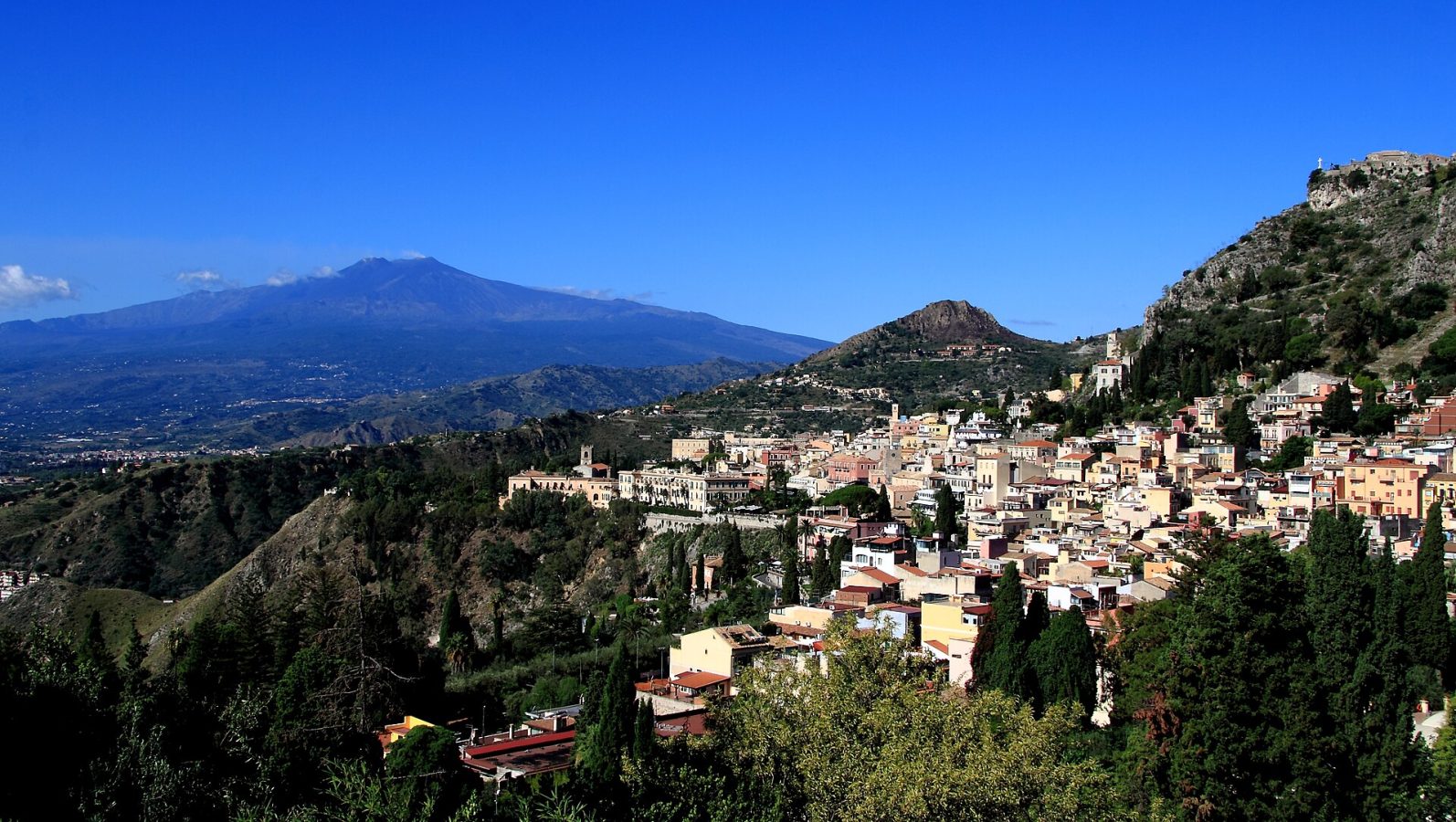
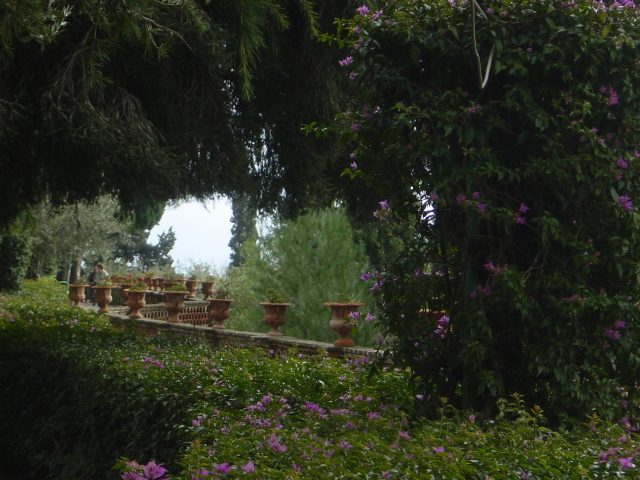
Perched on a hillside above the Ionian Sea, Taormina feels like a place where time has settled into a slower, kinder rhythm. The town spills down the slope in a cascade of whitewashed houses with terracotta roofs, their walls softened by trailing bougainvillea and the occasional lemon tree spilling over a garden wall. The air carries the scent of citrus and salt, mingling with the faint aroma of espresso drifting from open doorways. It’s small enough to explore on foot, yet packed with layers of history, culture, and the kind of natural beauty that makes you pause without quite knowing why.
The Greeks founded Taormina over two thousand years ago, and their presence lingers most vividly in the ancient theatre carved into the rock. Still in use today, it offers one of the most dramatic backdrops in the world—Etna’s smoldering peak on one side, the endless blue of the sea on the other. On summer evenings, the stone seats fill with people watching operas, orchestras, or modern performances under the stars. The theatre isn’t just a relic; it’s a living part of the town, as much a stage for contemporary life as it was for ancient drama. Beyond it, the streets wind past remnants of Roman baths, Byzantine mosaics, and Arab-influenced arches, each era leaving its mark without erasing what came before. A stroll through Taormina is like flipping through a history book where the pages refuse to stay flat—here, a medieval church with faded frescoes, there a quiet courtyard where an old man tends to his basil plants, and everywhere, the unmistakable sense that the past isn’t just remembered but still very much alive.
Life here moves to the rhythm of the seasons. Summers are hot, but the sea breeze takes the edge off the midday sun, and by evening, the streets cool down enough for leisurely dinners at outdoor tables. The locals, used to visitors but never overwhelmed by them, greet you with a nod or a smile, as if you’ve just joined a conversation that’s been going on for centuries. The food is simple and unpretentious—pasta tossed with wild fennel, grilled swordfish caught that morning, wine from the slopes of Etna that tastes of sun and volcanic soil. If the town feels too quiet, the beaches below offer a change of pace. They’re not the kind of crowded, umbrella-lined stretches you find elsewhere; here, the pebbled shores and clear water feel like a well-kept secret, even in high season.
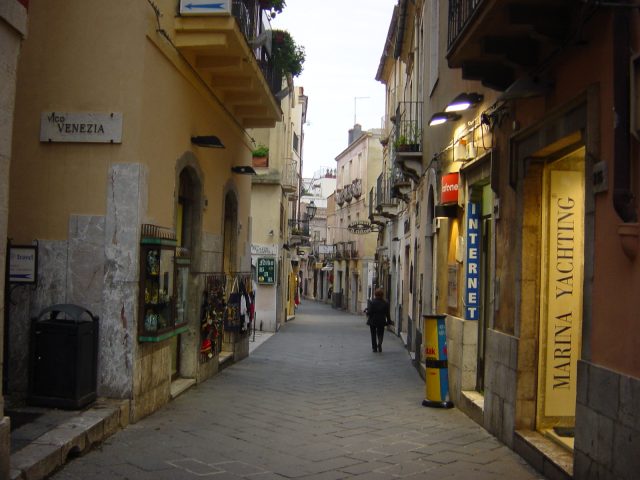
Mornings in Taormina belong to the market, where vendors sell plump olives, just-picked figs, and bunches of herbs tied with string. By afternoon, the focus shifts to the shops along Corso Umberto, where artisans display hand-painted ceramics and delicate silk scarves. But the real magic happens at dusk, when the streetlights flicker on and the town gathers along the main promenade. There’s no rush, no agenda—just the hum of conversation, the clink of glasses, and the occasional burst of laughter from a nearby café. Taormina doesn’t try to be anything other than what it is. It’s not a place for grand statements or flashy attractions, but for small, perfect moments: a coffee sipped on a bench with a view of the sea, a book read in a sun-dappled square, an evening spent doing nothing at all. The town doesn’t demand your attention; it simply offers itself, and lets you decide what to take from it.
See & Do
7 places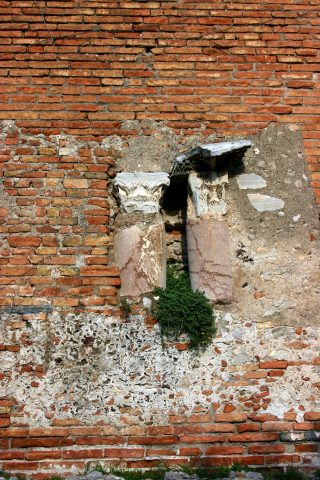
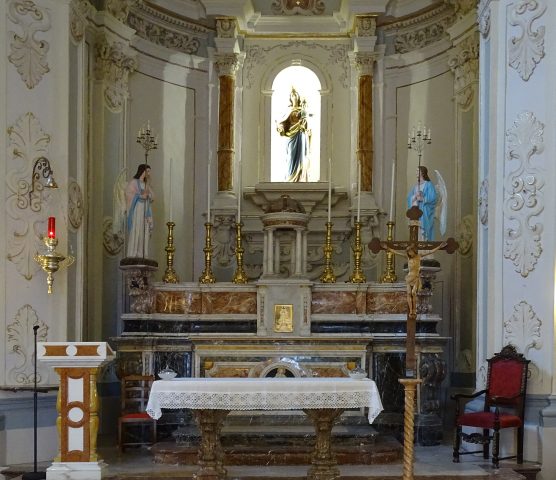
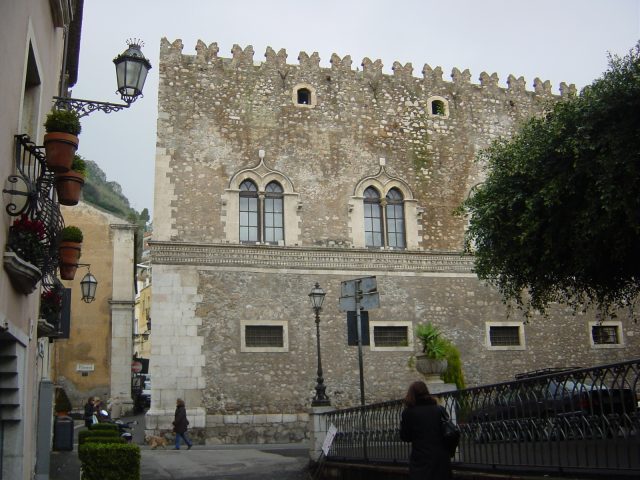
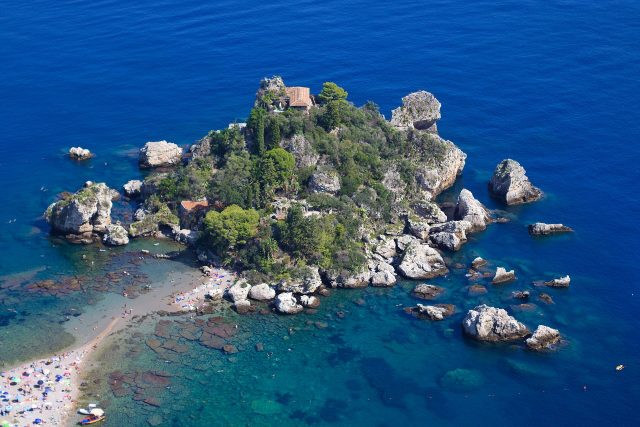
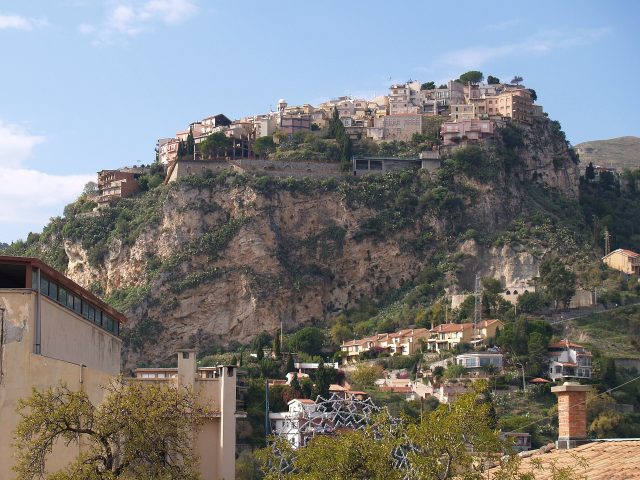
Places on the map
Marker colour follows the categoryClimate and weather
Detailed weather: Taormina- Average temperature
- 19 °C
- Precipitation per year
- 905 mm
- Sunshine hours per day
- 7.1 h
Average air temperature
°C
13
13
14
16
20
25
28
28
25
21
18
14
Jan
Feb
Mar
Apr
May
Jun
Jul
Aug
Sep
Oct
Nov
Dec


