Perched on a hillside overlooking the Ionian Sea, the ancient theatre of Taormina is one of those rare places where history feels alive, not just preserved. Built by the Greeks in the third century BC, it was later expanded by the Romans, who adapted it for gladiatorial games and public spectacles. The structure itself is a testament to the layers of time—Greek precision in the original stone seating, Roman modifications in the arena’s floor, and the occasional medieval touch where later generations left their mark. What makes this theatre extraordinary isn’t just its age, but how it sits in the landscape. The curve of the seating frames not only the stage but also the distant cone of Mount Etna, as if the volcano were part of the performance. On clear days, the sea shimmers beyond, turning the ruins into a stage set for nature itself.
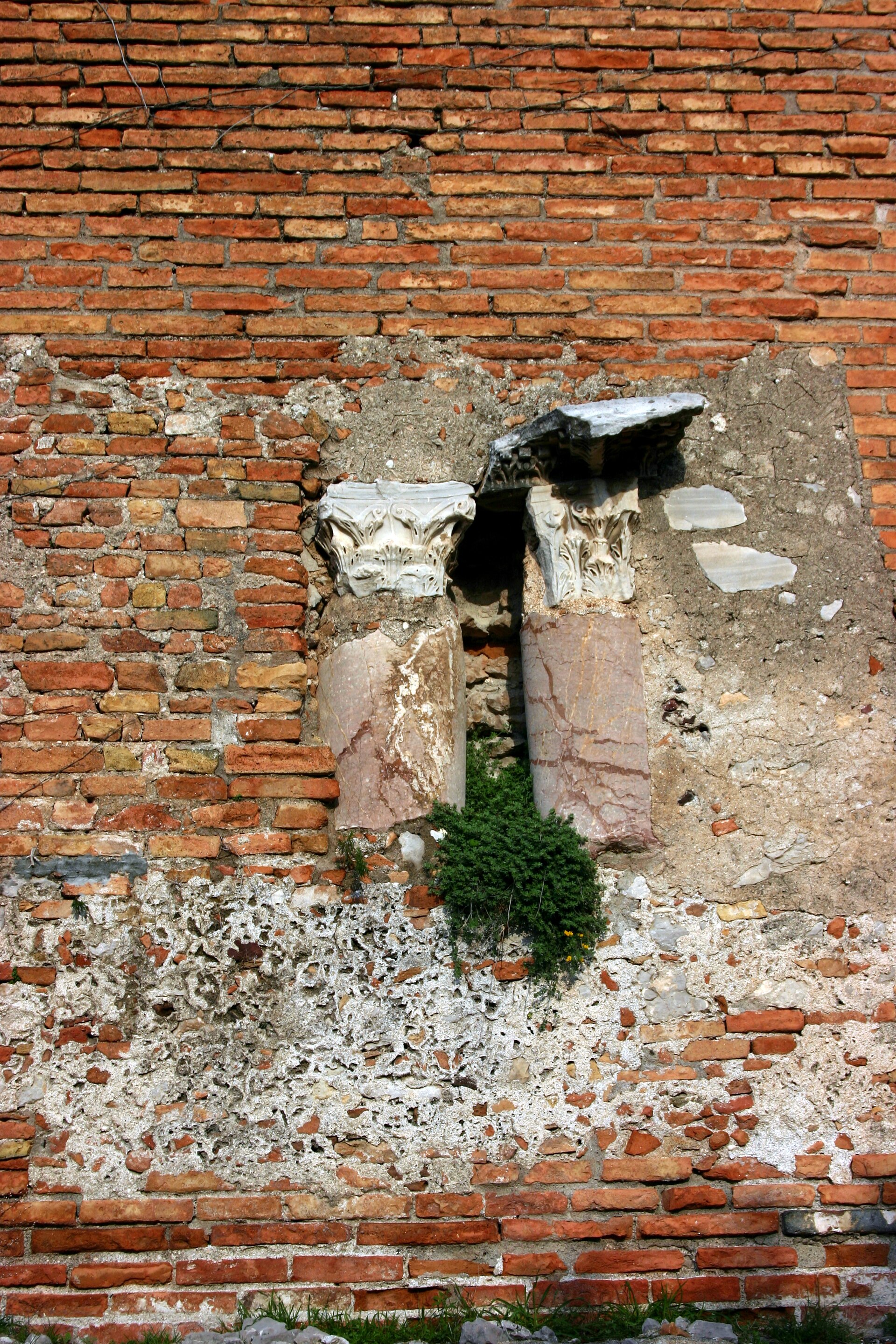
The theatre was designed with acoustics in mind, a detail that still impresses visitors today. Even without modern amplification, a voice carried from the center of the stage can reach the uppermost rows, a trick of geometry and stone. The Greeks understood sound in a way that feels almost intuitive—how the slope of the hill, the angle of the seats, and the materials used could carry a whisper to thousands. The Romans, ever practical, repurposed the space for their own entertainments, lowering the stage and adding a wall to create a more enclosed arena. The remnants of their work are visible in the brick arches and the remnants of the scaenae frons, the elaborate backdrop that once depicted gods and heroes.
Walking through the theatre, it’s easy to imagine the crowds that once filled these seats. The Greeks would have gathered here for tragedies and comedies, their attention fixed on the masked actors below. Later, under Roman rule, the space became a venue for bloodsport and spectacle, where gladiators fought and wild animals were paraded before the public. The shift from art to entertainment reflects the changing priorities of the empires that ruled Sicily, but the theatre itself endured. Even after the fall of Rome, it remained a part of the town’s life, though its purpose faded. By the Middle Ages, the stones were repurposed for other buildings, and the theatre was largely forgotten until its rediscovery in the 19th century.
What’s striking about Taormina’s theatre is how it has been reclaimed by the modern world without losing its sense of the past. Today, it hosts concerts, film festivals, and performances, drawing artists and audiences from around the globe. The stage that once echoed with the words of Sophocles now amplifies contemporary music, yet the setting remains timeless. The view of Etna, the sea, and the surrounding hills hasn’t changed in two thousand years, and that continuity makes the experience feel almost surreal. You’re not just watching a show; you’re participating in a tradition that stretches back to antiquity.
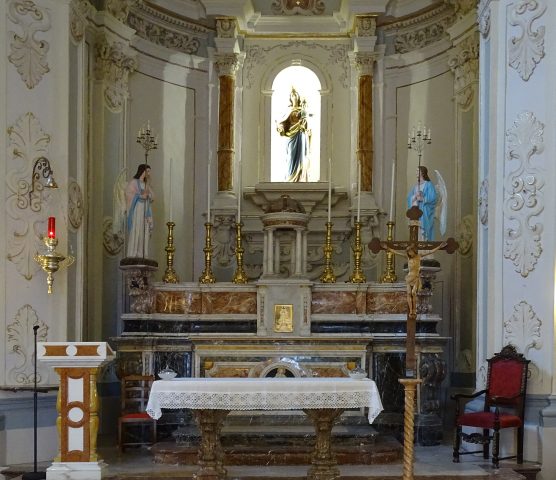
The theatre is also a reminder of Sicily’s layered history. The island has been a crossroads for centuries—Greek, Roman, Arab, Norman, and Spanish influences all left their mark, and Taormina is no exception. The town itself is a maze of narrow streets, Baroque churches, and medieval palazzos, but the theatre stands apart, a relic of an older world. It’s not just a monument; it’s a living space, one that has adapted to the needs of each era without losing its essence. Even the way it’s integrated into the town—perched above the main streets, visible from almost everywhere—speaks to its importance. It’s not hidden away in a museum; it’s part of the fabric of daily life.
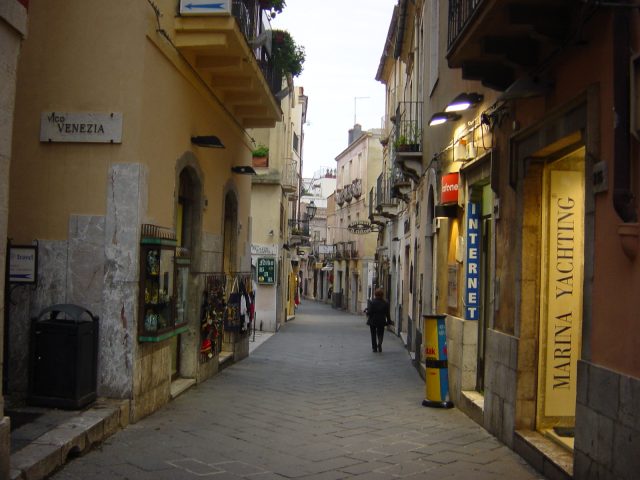
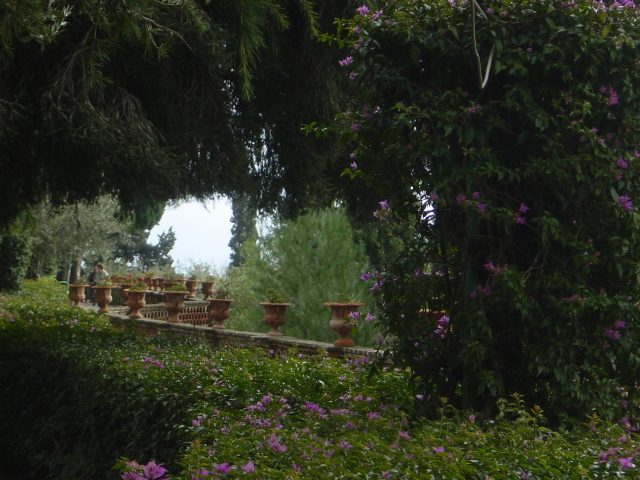
Visiting the theatre is as much about the journey as the destination. The walk up from the town’s center is steep, winding through alleys lined with bougainvillea and pastel-colored houses. The air is thick with the scent of citrus and salt, and the sound of church bells mingles with the hum of scooters. By the time you reach the entrance, the modern world feels distant, replaced by the weight of history. The theatre’s stones are warm underfoot, worn smooth by centuries of footsteps. From the upper tiers, the view is breathtaking—Etna looms in the distance, its slopes sometimes dusted with snow, while the sea stretches endlessly to the horizon. It’s a place that invites contemplation, where the boundaries between past and present blur.
There’s something almost theatrical about the way the theatre reveals itself. You don’t see it all at once; it unfolds gradually as you climb the steps. First, the curve of the seating comes into view, then the stage, and finally, the full panorama of sea and mountain. It’s a design that plays with perspective, drawing the eye outward even as it grounds you in the moment. The Romans called this *theatrum*, a place for seeing, and that’s still its purpose today. Whether you’re here for a performance or just to wander the ruins, the theatre offers a way of seeing the world that feels both ancient and immediate.
Taormina’s theatre is one of those places that lingers in the memory long after you’ve left. It’s not just the grandeur of the setting or the weight of history, though those are part of it. It’s the way the place makes you feel—small in the face of time, yet connected to something larger than yourself. The Greeks believed that theatre was a way to explore the human condition, to hold a mirror up to society. Standing in the ruins of their creation, it’s easy to see why. The theatre doesn’t just tell a story; it lets you step inside it, if only for a moment. And in a world that moves so quickly, that’s a rare and precious thing.