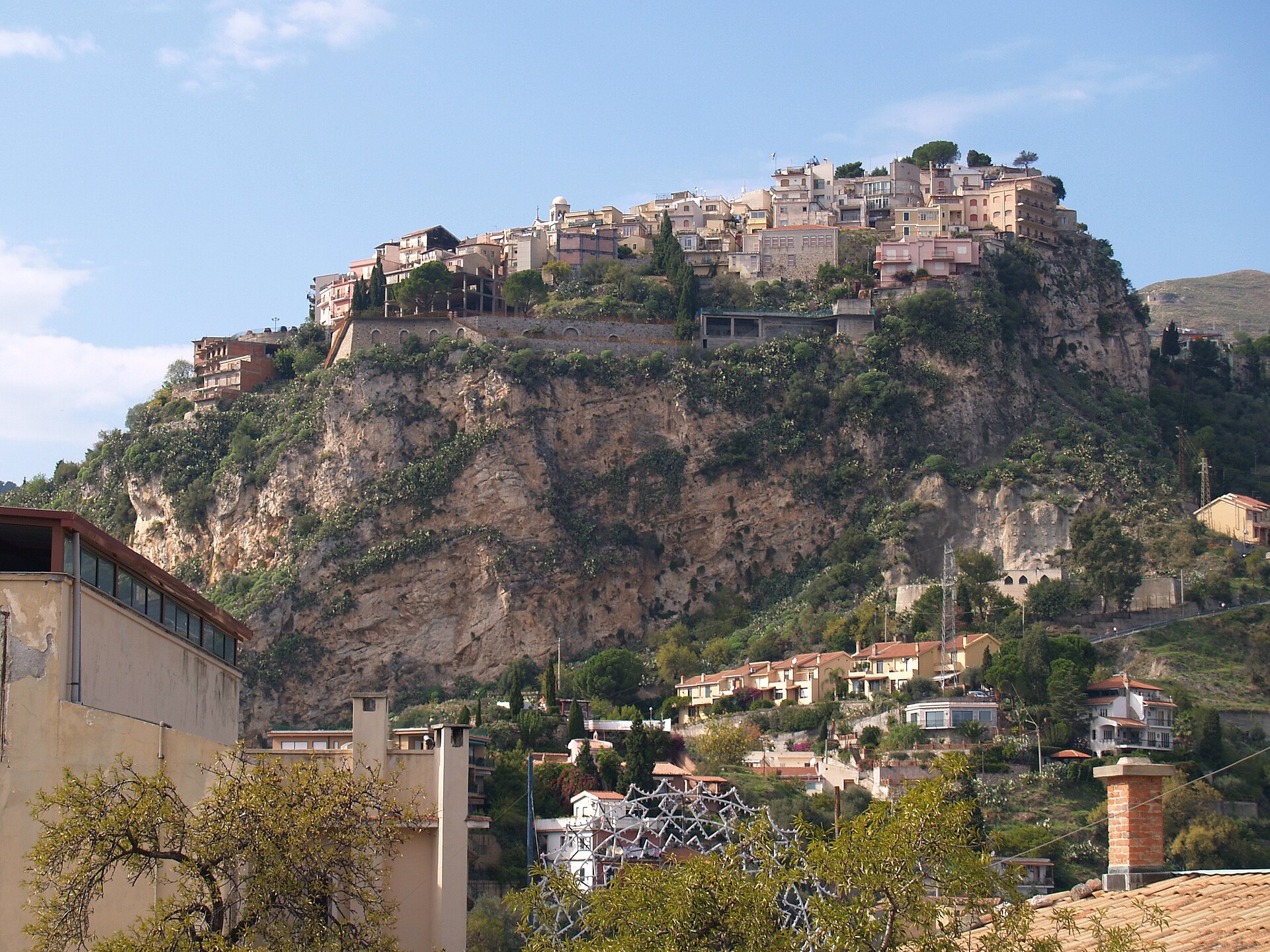
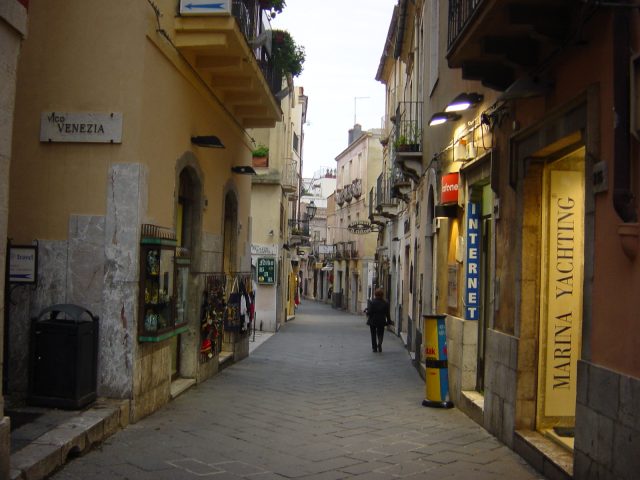
Perched on a hilltop just above Taormina, Castelmola feels like a world apart. The village clings to the rock, its narrow streets winding between old stone houses that glow golden in the sunlight. From here, the view stretches across the Ionian Sea, with Mount Etna looming in the distance, its slopes often shrouded in mist. Unlike the bustling streets of Taormina below, Castelmola moves at its own quiet pace. There are no crowds, no souvenir shops hawking trinkets—just the sound of footsteps on cobblestones and the occasional chime of a church bell.
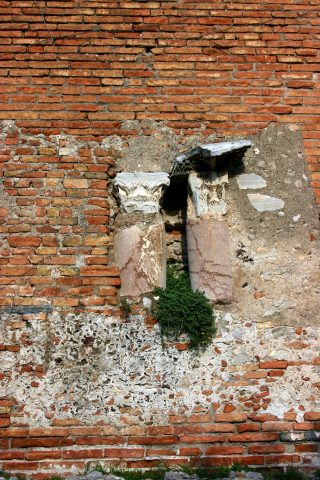
The history of Castelmola runs deep, with roots stretching back to pre-Roman times. The name itself may come from the Greek word for "mill," a nod to the village’s ancient past. Over the centuries, it became a strategic stronghold, its elevated position making it a natural fortress against pirates and invaders. Arabs, Normans, and Spaniards all left their mark here, and traces of their rule can still be seen in the crumbling walls, arched doorways, and weathered facades. The village has a way of preserving its past without turning it into a spectacle—history here feels lived-in, not staged.
Walking through Castelmola is like stepping into a different era. The houses, built from local stone, have a timeless quality, their balconies adorned with wrought-iron railings and potted geraniums. Some walls bear faded frescoes or inscriptions, remnants of a time when life moved slower. The main square, Piazza Sant’Antonio, is a modest gathering place lined with low buildings and arched walkways. In the summer, small cafés spill out onto the pavement, serving espresso and almond biscuits to visitors who linger under the shade of umbrellas. From here, a path leads to one of the village’s best viewpoints, where Taormina unfolds below like a postcard.
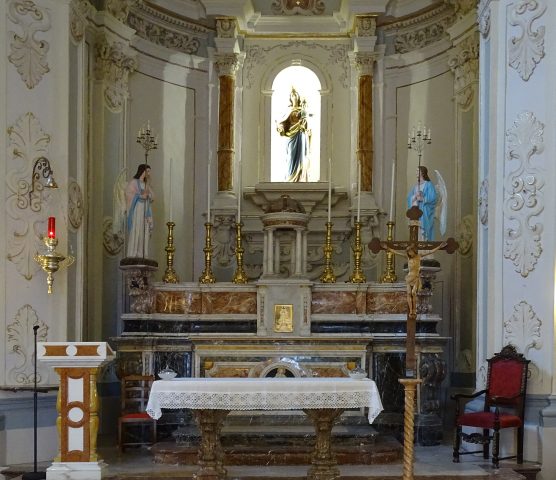
One of the village’s quiet treasures is the Church of San Nicolò di Bari, a simple 12th-century structure with a plain facade and a squat bell tower. Inside, the air is cool and still, the walls adorned with faded frescoes and icons that have watched over the village for centuries. Nearby, a small museum houses artifacts unearthed in the surrounding hills—coins, tools, and fragments of pottery that hint at the lives of those who once called this place home. It’s the kind of place where history feels tangible, not just something read in a guidebook.
Food in Castelmola is unpretentious but deeply flavorful, rooted in tradition. The local trattorias serve dishes that have been passed down through generations—pasta with sardines, grilled swordfish, and olives cured in brine. Dessert is a must, whether it’s cannoli filled with sweet ricotta or cassata, a rich cake layered with marzipan. And then there’s the almond liqueur, a local specialty, served in tiny glasses as a digestivo. In the evening, tables are set outside, and the scent of garlic and herbs mingles with the sea breeze. There’s no rush here; meals are meant to be savored.
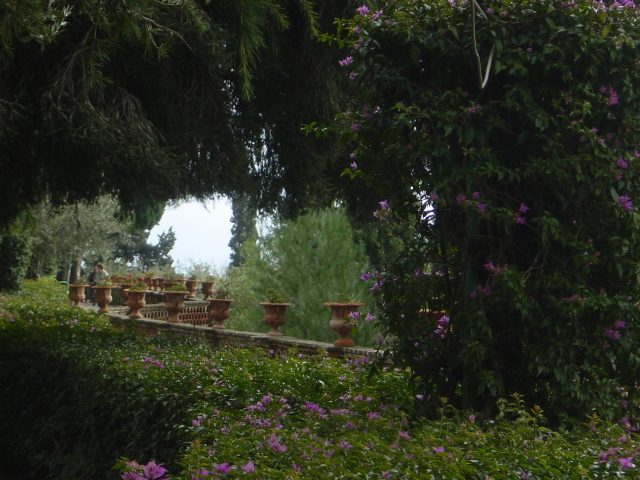
The real magic of Castelmola lies in its views. The best time to experience them is at dawn, when the first light spills over Etna’s slopes and the sea below is still wrapped in mist. Or at dusk, when the sky turns shades of pink and gold, and the lights of Taormina begin to twinkle in the valley. For those who enjoy walking, there are trails that wind through the hills, leading to even more breathtaking vantage points. One path takes you to the ruins of an old castle, little more than a pile of stones now, but the view from its crumbling walls is worth the climb.
Unlike Taormina, Castelmola isn’t a place for nightlife or shopping. There are no glitzy bars or designer boutiques, just a handful of small shops selling local wine, cheese, and handmade ceramics. The village has a way of slowing you down—whether it’s stopping to chat with an elderly resident, browsing a stall of dried herbs, or simply sitting on a bench with a coffee, watching the world go by. In the summer, there are occasional festivals and open-air concerts, but they’re low-key affairs, more about community than spectacle.
What makes Castelmola special isn’t grand architecture or famous landmarks, but the feeling of stepping into a place that time has mostly forgotten. The air smells of wild thyme and salt, the streets are quiet enough to hear the wind rustling through the olive trees, and the views are the kind that stay with you long after you’ve left. It’s a village that doesn’t try to impress—it simply exists, in its own unhurried way. Whether you spend an afternoon here or a few days, it leaves the kind of impression that makes you want to return.