Ravenna
Italy · 6 places
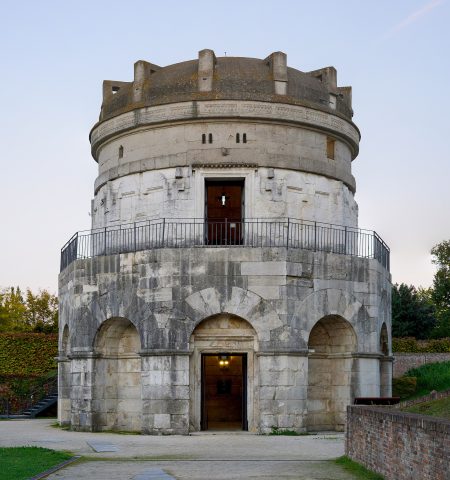
Photo: Petar Milošević, CC BY-SA 4.0
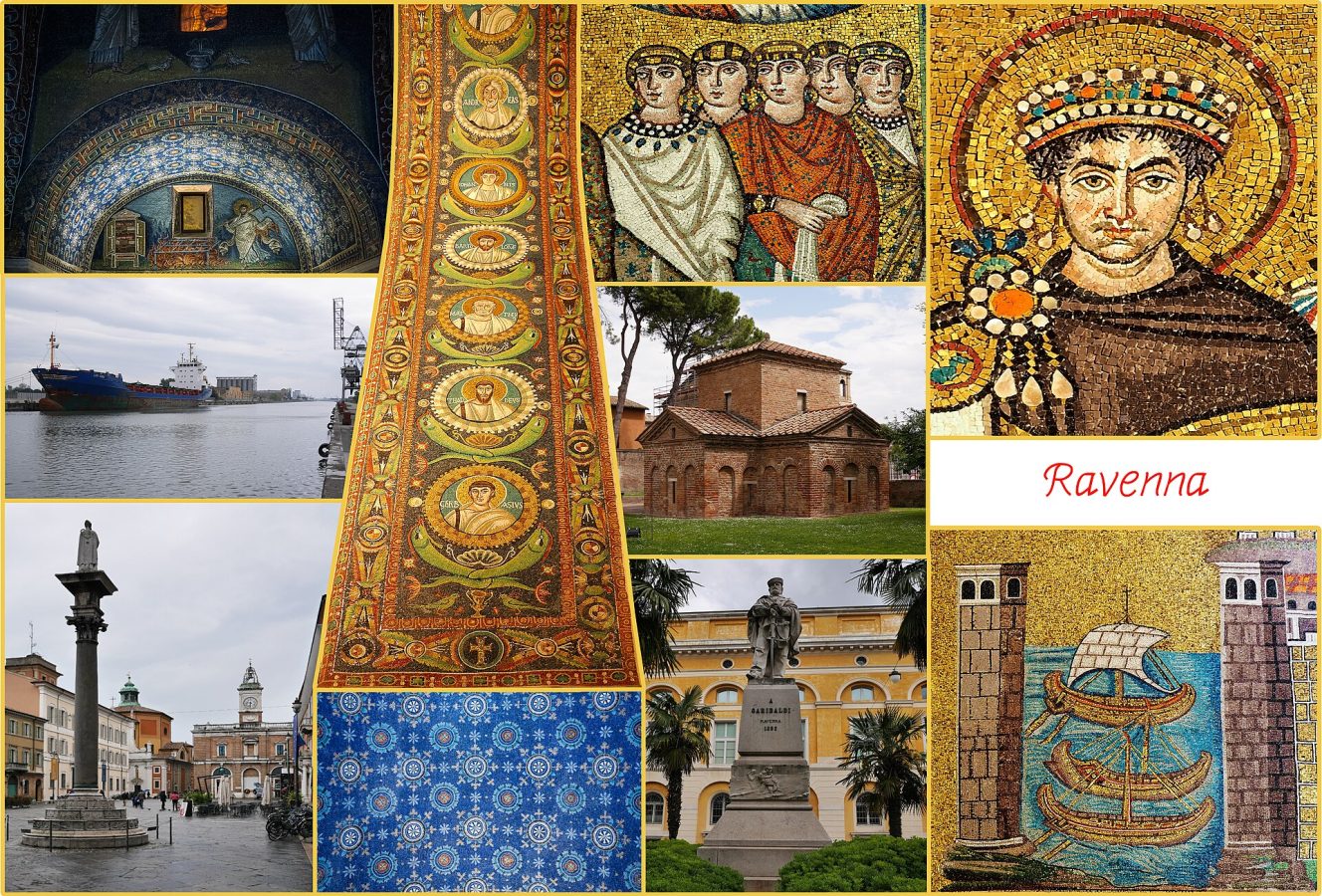
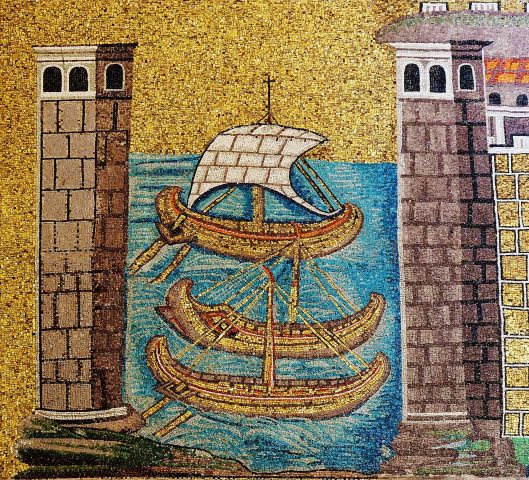
Ravenna feels like a place where time has settled into a quiet rhythm, neither frozen in the past nor overwhelmed by the present. It doesn’t demand attention the way Italy’s more famous cities do, with their grand piazzas and endless crowds. Instead, it invites you to wander its narrow streets, where the only footsteps you hear are your own. The city is best known for its Byzantine mosaics—works of art so vivid they still catch the light as if they were made yesterday. But Ravenna is more than its mosaics, even if they are what first draw people here. It’s a place where history isn’t just preserved; it lingers in the air, in the way ancient walls meet medieval arches, in the unexpected discoveries around every corner.
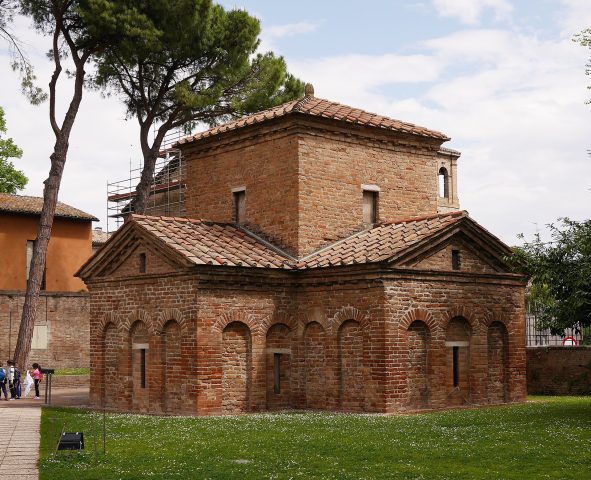
Once the seat of Roman emperors and later the capital of the Western Roman Empire, Ravenna has been shaped by the hands of Goths, Byzantines, and the Papal States. Each era left its mark, but it’s the Byzantine legacy that truly defines the city. The mosaics, created in the fifth and sixth centuries, still glow with gold and deep blues, telling stories from the Bible and the courts of long-gone rulers. The Basilica of San Vitale, the Mausoleum of Galla Placidia, and the Church of Sant’Apollinare Nuovo are UNESCO-listed treasures, considered the pinnacle of mosaic art. Standing before them, it’s hard not to feel the weight of centuries pressing gently against your shoulders.
Yet Ravenna isn’t just a relic of the past. It’s a living city where locals sip espresso in sunlit squares and visitors move at their own pace, drifting from one landmark to the next. Summers here are milder than in southern Italy, and the Adriatic Sea is just a short trip away—less than half an hour by car. The beaches of Lido di Ravenna are quieter than those in Rimini or Riccione, offering a place to unwind without the usual tourist bustle. Back in town, small shops sell local produce, trattorias serve fresh seafood, and parks provide shady spots to read or simply watch the world go by.
What makes Ravenna special is its unassuming beauty. There are no towering palaces or grand boulevards, just a sense of calm that’s increasingly rare in modern cities. As evening falls and the mosaics are softly lit, the city takes on a dreamlike quality. You might stroll along the Candiano Canal, where lamplight dances on the water, or stop into a local bar to try a glass of Romagna wine, made from grapes grown in the surrounding hills. The pace here is slow, the kind that lets you notice small details—the way ivy climbs an old brick wall, the sound of a church bell echoing through empty streets.
Ravenna is the kind of place you want to return to, not just for its mosaics, though their beauty is undeniable, but for the atmosphere that lingers long after you’ve left. It doesn’t try to impress you at first glance; it reveals itself gradually, like a story unfolding. You could spend a day here or a week and still find something new each time. In the end, there aren’t many places where history feels as alive as it does in Ravenna.
See & Do
6 places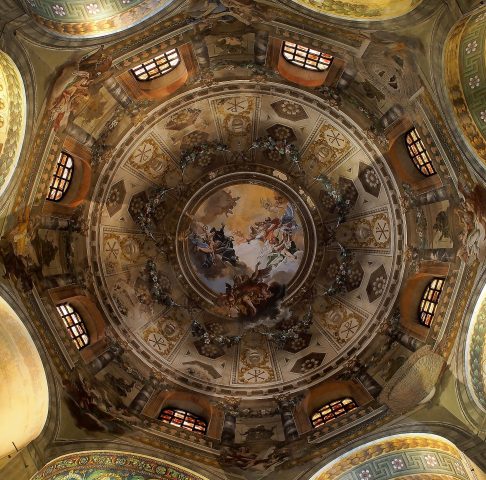
Places on the map
Marker colour follows the categoryClimate and weather
Detailed weather: Ravenna- Average temperature
- 14 °C
- Precipitation per year
- 552 mm
- Sunshine hours per day
- 6.7 h
Average air temperature
°C
4
7
9
13
17
23
25
25
20
16
10
5
Jan
Feb
Mar
Apr
May
Jun
Jul
Aug
Sep
Oct
Nov
Dec