Ravenna is a city where time seems to stand still, its narrow streets and low-slung houses with terracotta roofs preserving echoes of empires long gone and the early days of Christianity. Walking through its quiet lanes, it’s easy to imagine the footsteps of Gothic kings, Byzantine governors, and even Dante, who found his final resting place here. The National Museum of Ravenna is one of those rare places where history isn’t just displayed behind glass—it lingers in the air, breathing through every artifact, every mosaic, every fragment of a once-great past.
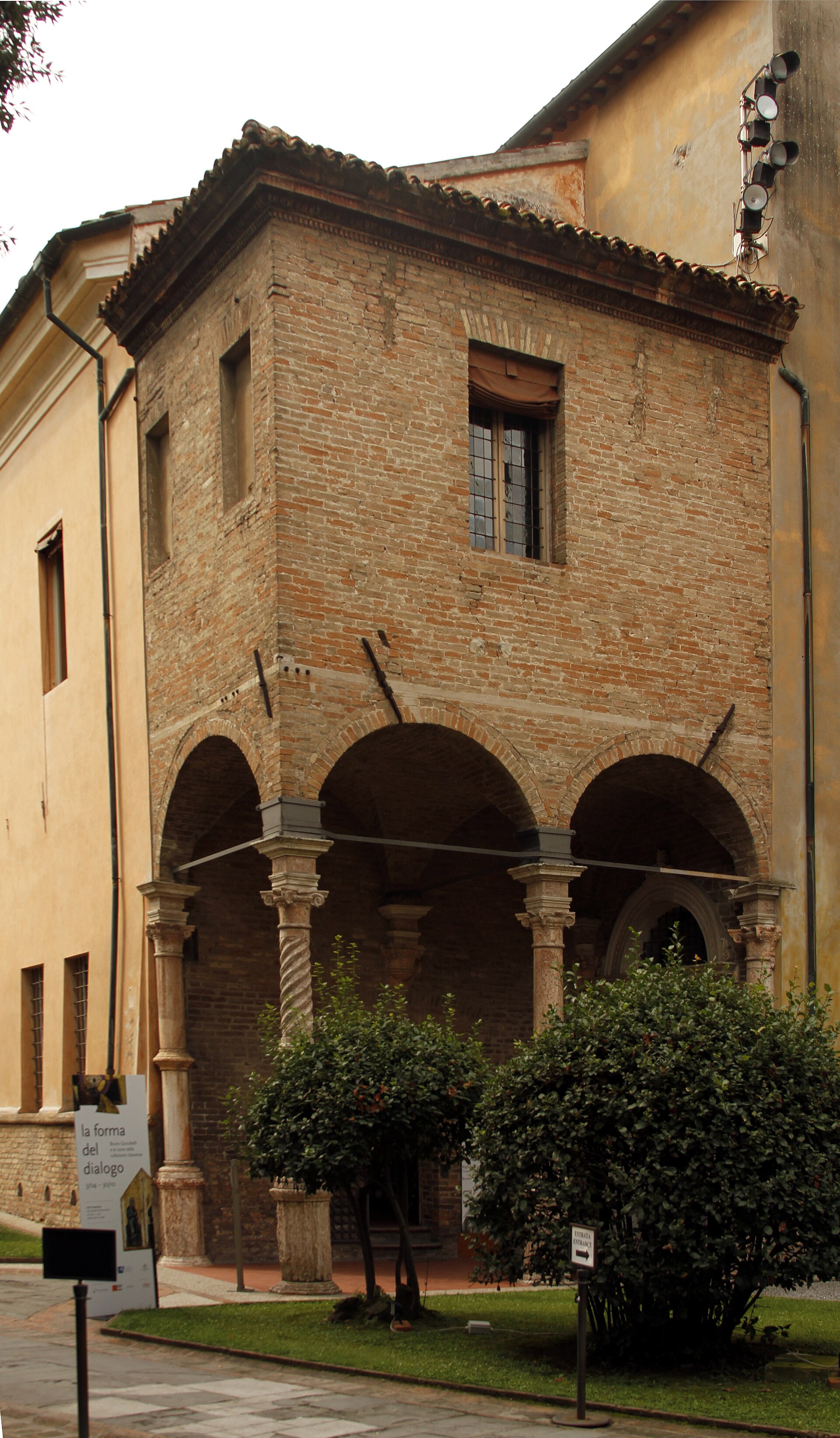
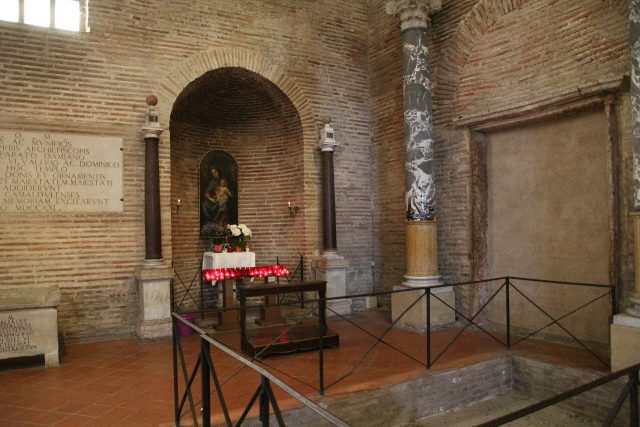
Housed within the walls of a former Benedictine monastery, San Vitale, founded in the 16th century, the museum itself is a monument. The building’s architecture tells its own story, with its spacious halls, vaulted ceilings, and an inner courtyard where monks once gathered for prayer. Over the centuries, the monastery underwent changes, but its core remained intact: thick red-brick walls, tall arched windows, and the kind of hushed stillness that only old religious structures seem to hold. Today, the sound of chanting is gone, but the sense of quiet reflection remains.
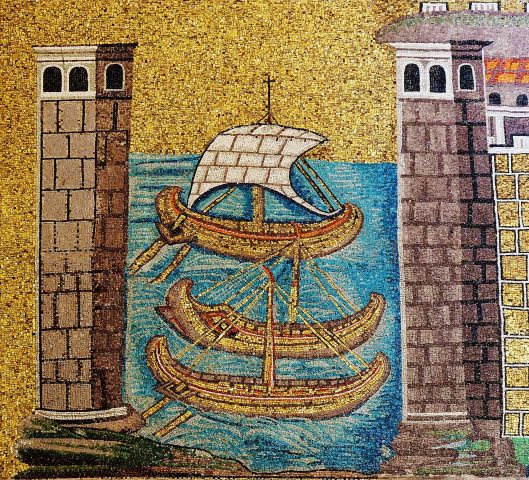
The museum’s collection spans centuries, from antiquity to the late Middle Ages, but its heart lies in the artifacts from Ravenna’s golden age, when the city served as the capital of the Western Roman Empire and later the Ostrogothic kingdom. Visitors can see tombstones with Latin epitaphs, fragments of marble reliefs, pottery, and everyday objects that offer glimpses into the lives of its inhabitants across different eras. Yet the true treasures here are the mosaics—some salvaged from ruined or repurposed churches, others surviving as fragments. Each piece carries a piece of a world where art and faith were inseparable.
One of the most striking sections is the collection of early Christian sarcophagi, intricately carved with biblical scenes, allegorical figures, and ornate patterns meant to guide the deceased into the afterlife. Some belonged to nobility, others to ordinary citizens, but all were crafted with such care that they still command attention today. These stone coffins reflect the complexity of a transitional era, when pagan traditions still lingered and Christianity was just beginning to define its own language of symbols.
A separate hall is dedicated to Ravenna’s Byzantine period, when the city was one of the Mediterranean’s most important centers. Here, coins bearing imperial profiles, seals, weapons, and luxury items unearthed during excavations paint a picture of a cosmopolitan hub. The collection of Byzantine icons, painted on wood, is particularly fascinating. Unlike the grand mosaics meant for public worship, these were personal devotional objects, their small size and delicate details revealing the reverence with which religious art was treated.
The museum doesn’t focus solely on Christian heritage. Its holdings also include artifacts from other cultures that flourished in Ravenna, like Arabic coins left behind during a brief period of Muslim presence or Lombard jewelry, remnants of the time when the city was under Germanic rule. Each piece adds another layer to the city’s rich, tangled history, showing how different peoples and traditions intersected here.
Walking through the museum feels like stepping through time. A headless antique statue stands near a medieval cross with faded gilding. A carved column capital rests beside a fragment of a mosaic floor depicting birds and flowers. These aren’t just exhibits; they’re silent witnesses to the epochs that shaped Ravenna, a city that has always been a crossroads of cultures. The museum doesn’t just display history—it shows how those cultures collided, blended, and gave rise to something new.
Unlike many modern museums, this one doesn’t aim to dazzle with scale or spectacle. There are no crowded halls, no flashy installations, no interactive screens. Instead, there’s a quiet intimacy, a sense of being in a repository of memory where every object has its own story. That’s why the National Museum of Ravenna appeals to those who want more than just a glimpse of the past—they want to feel its presence, to sense the weight of centuries in the air.
After exploring the exhibits, it’s worth stepping into the inner courtyard to sit for a while, listening to the hum of the city beyond the monastery walls. Ravenna isn’t a place that reveals itself all at once. To understand why it became so pivotal in European history, you have to wander its streets, visit its small churches, and spend time in its museums. The National Museum is one of the keys to unlocking that mystery.