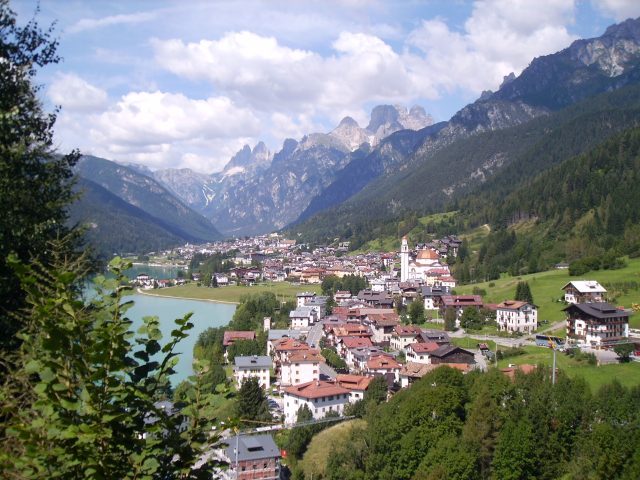
Port-au-Prince
Haiti · 7 places
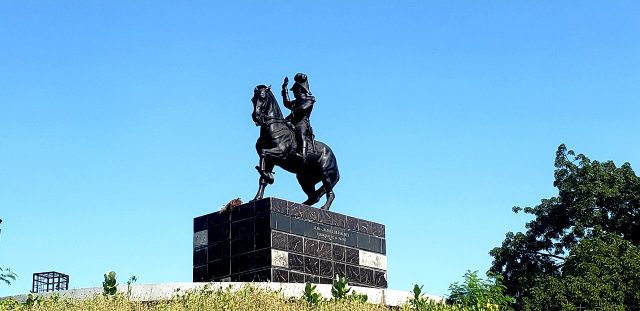
Photo: Judicieux, CC BY-SA 4.0
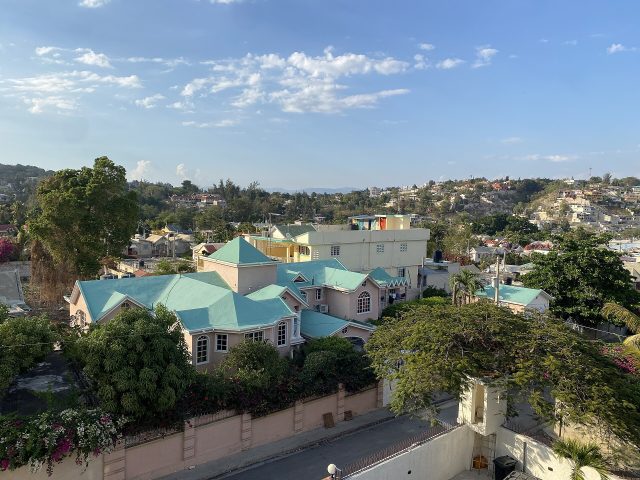
Port-au-Prince sprawls across the Gulf of Gonâve, a city where the Caribbean Sea meets the foothills in a collision of salt and dust. The air carries a steady hum, even in the afternoon heat. The old quarter’s narrow streets hold French colonial history in their pastel buildings, their balconies sagging under years of use. This is a place that has been shaken—by earthquakes and decades of change—but it persists, reinventing itself in ways that don’t follow any script.
Life here moves to its own rhythm. The markets are crowded—stalls piled with spices, secondhand electronics, and mangoes so ripe they split in the sun. Nearby, a quiet courtyard might shelter a lone papaya tree. The presidential palace stands in the center, its grandeur faded, while in working-class neighborhoods, the streets pulse with commerce: women grilling plantains, men selling cold sodas, conversations spilling from doorways. There’s no order to it, no neat grid or queues. What there is, instead, is a vitality that makes you wonder how the city keeps going.
For visitors, Port-au-Prince doesn’t offer the usual comforts. It doesn’t adjust to outsiders. But those who stay begin to notice the layers beneath the surface. The waterfront comes alive at dusk, when musicians play kompa under strings of bulbs. Small restaurants serve griot—crispy, spiced pork with lime—or bowls of soup joumou, the pumpkin soup tied to independence. There are no guided tours here. What you get instead is the city’s pulse: a street vendor’s laugh cutting through diesel fumes, the scent of roasting coffee lingering after the market stalls close.
This isn’t a place for those who measure a city by its museums or parks. The National Palace stands half-ruined, its white facade cracked but still imposing. Notre-Dame Cathedral, though damaged, remains a gathering place, its bells tolling over the city’s noise. Then there’s the Iron Market, a maze of stalls where artisans sell hand-carved wooden masks and paintings, where the air smells of fried dough and bargaining voices fill the space. Port-au-Prince doesn’t soften its edges. What it offers is the chance to see a city as it is—unpolished, unyielding, and alive.
See & Do
7 places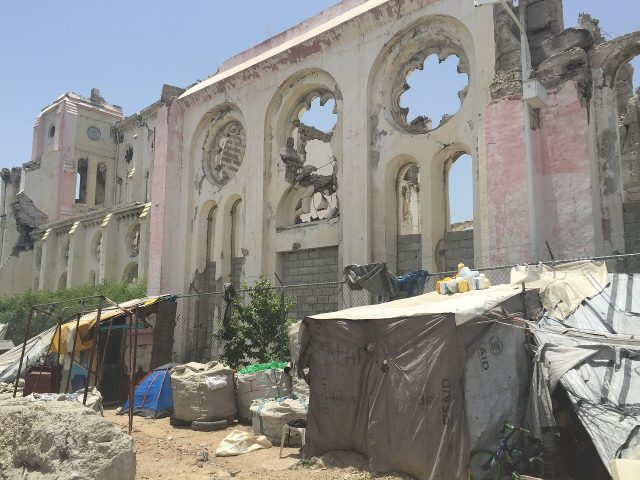


Places on the map
Marker colour follows the categoryClimate and weather
Detailed weather: Port-au-Prince- Average temperature
- 26 °C
- Precipitation per year
- 0 mm
Average air temperature
°C
25
25
25
26
27
28
28
28
28
27
26
25
Jan
Feb
Mar
Apr
May
Jun
Jul
Aug
Sep
Oct
Nov
Dec