The Iron Market in Port-au-Prince is one of those places where the city’s pulse feels strongest. Built in the late 19th century, this sprawling marketplace was originally designed as a railway station for the French colonial government, but its intended purpose never materialized. Instead, it became the heart of Haiti’s commercial life, a role it has held for over a century. The structure itself is a striking example of cast-iron architecture, shipped in pieces from France and assembled on-site. Its twin towers and ornate detailing stand out against the more modest buildings around it, a reminder of a time when Haiti was still finding its footing as an independent nation.
Walking through the market’s arched entrances, you’re immediately enveloped in the rhythm of daily life. Vendors call out from stalls packed tightly together, their voices blending with the clatter of metal bowls, the rustle of fabric, and the occasional burst of laughter. The air is thick with the scent of spices—thyme, scallions, and fiery Scotch bonnet peppers—mingling with the earthy aroma of roasted coffee beans. Here, you can find almost anything: handwoven baskets, vibrant paintings by local artists, herbal remedies passed down through generations, and stacks of secondhand clothes that tell their own stories of survival and resourcefulness.
The market isn’t just a place to shop; it’s a living archive of Haitian culture. Many of the goods sold here are crafted by artisans who have honed their skills over decades. The metalworkers, for instance, shape scrap into intricate sculptures, while seamstresses stitch together colorful patchwork bags that seem to carry the spirit of the island. Even the food stalls offer more than just sustenance—they serve as informal gathering spots where people exchange news, debate politics, or simply take a break from the day’s hustle. A plate of griot, fried pork marinated in citrus and garlic, or a steaming bowl of soup joumou, the national dish of pumpkin soup, can turn a quick meal into a moment of connection.
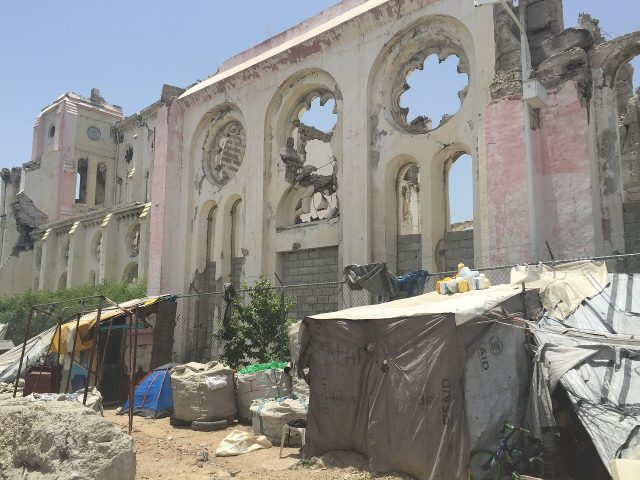
Over the years, the Iron Market has weathered its share of challenges. A devastating fire in 2008 gutted much of the structure, leaving only the skeletal remains of its iron framework. For a time, it seemed like the market might never recover, but the community rallied. Vendors returned, rebuilding their stalls with whatever materials they could find, and in 2011, the market was officially restored with the help of international support. The rebuilding wasn’t just about repairing a building—it was about reclaiming a space that had become synonymous with resilience. Today, the scars of the fire are still visible in places, but they’ve been woven into the market’s story, a testament to its enduring role in the city.
The market’s significance goes beyond commerce. It’s a place where history and modernity collide. The ironwork, with its Victorian influences, contrasts sharply with the vibrant chaos of the stalls, where smartphones and handwritten signs coexist. During political upheavals or natural disasters, the market has often served as a refuge, a place where people come together to share information, resources, and solidarity. In a city that has faced more than its share of hardships, the Iron Market remains a symbol of continuity, a place where life persists no matter what.
Visiting the market isn’t just about buying souvenirs or ticking off a tourist checklist. It’s about stepping into the flow of Port-au-Prince’s daily existence. The best time to go is early in the morning, when the light is soft and the vendors are just setting up. The pace is slower then, and you can take in the details—the way the sunlight filters through the iron latticework, the way the vendors arrange their goods with care, the way the market seems to breathe with the city itself. By midday, the crowds swell, and the energy becomes more frenetic, but even then, there’s a sense of order in the chaos.
For those who take the time to look, the Iron Market offers a glimpse into the soul of Haiti. It’s a place where the past is never far from the present, where every transaction is part of a larger story. The market doesn’t just sell goods—it sells experiences, memories, and a sense of belonging. Whether you’re haggling over the price of a hand-carved wooden mask or simply watching the world go by from a corner stall, you’re participating in something much bigger than a simple exchange. You’re witnessing the way a city rebuilds itself, day after day, one sale at a time.