The Port-au-Prince Haiti Temple stands quietly in a city where faith and daily life are deeply intertwined, yet it remains one of those places often overlooked by conventional travel guides. Completed in 2019, it was the first—and so far only—temple of The Church of Jesus Christ of Latter-day Saints on the island, marking a significant moment for Haiti’s religious landscape. Unlike the grand cathedrals or historic churches that dominate the country’s spiritual heritage, this building carries a different kind of meaning, one rooted in resilience and community.
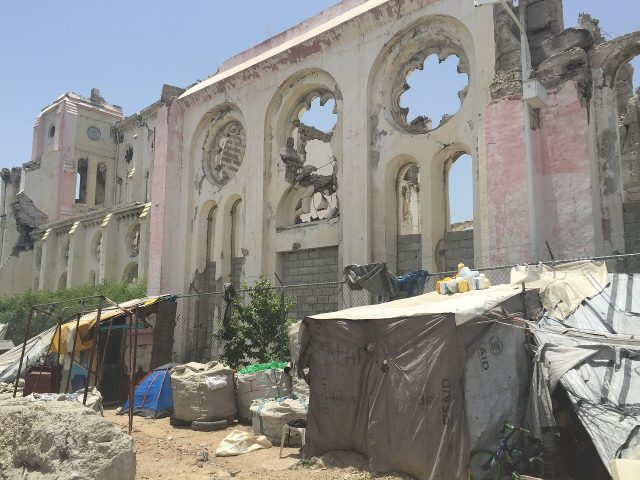
Its architecture is understated, almost serene, with clean white walls and gentle curves that set it apart from the dense, chaotic sprawl of Port-au-Prince. There’s no ornate grandeur here, just a sense of calm order that feels almost deliberate in a city where life moves at a relentless pace. The temple was built in the years following the devastating 2010 earthquake, a time when much of Haiti’s infrastructure, including its religious sites, lay in ruins. Its construction wasn’t just about erecting another building; it was a statement of hope, a sign that even in the aftermath of disaster, life—and faith—would endure.
Inside, the space is designed for reflection and ritual, stripped of excess. There are no lavish decorations or towering altars, just a quiet functionality that aligns with the church’s teachings. For members of the congregation, the temple is where sacred ordinances take place—baptisms for the dead, eternal family sealings—acts that bind generations together in ways that transcend the everyday. It’s not a place for casual visits; it’s a sanctuary where the spiritual work of the church unfolds in private, away from the noise of the city.
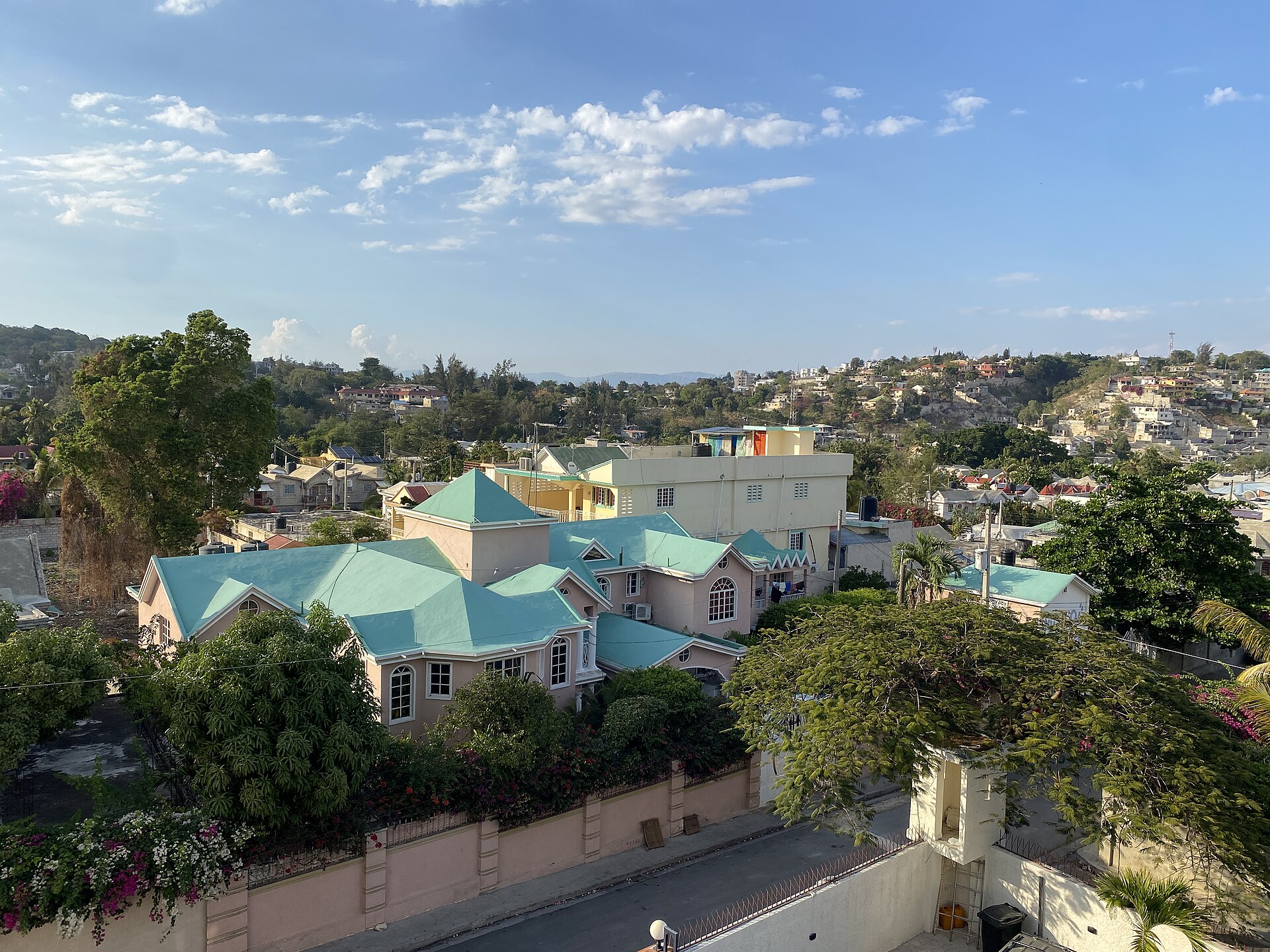
The grounds surrounding the temple offer a rare pocket of tranquility in Port-au-Prince. Well-tended gardens with palm trees and flowering shrubs provide a stark contrast to the dusty streets and makeshift structures that define much of the city. Locals sometimes come here not for worship, but simply to sit, read, or escape the heat for a while. In a place where green spaces are scarce, the temple’s gardens serve as an unexpected refuge, a small reminder of what order and care can look like in an often unpredictable environment.
The temple’s arrival in Haiti was the culmination of decades of growth for the local Latter-day Saint community. Missionaries first arrived in 1978, and over the years, the number of converts slowly grew. For a long time, worship took place in modest meetinghouses, but as the congregation expanded, so did the need for a dedicated temple. The decision to build one came in 2015, and despite the logistical challenges of construction in Haiti, the temple was completed in just four years—a remarkable feat given the country’s struggles with infrastructure and bureaucracy.
For many Haitians, the temple is more than just a place of worship; it’s a point of pride. In a nation where Catholicism and Vodou dominate the religious landscape, the presence of a Mormon temple reflects the island’s growing diversity. The church itself is deeply embedded in local efforts, from education to humanitarian aid, and the temple has become a hub for these activities. It’s not uncommon for community initiatives to originate here, reinforcing the idea that faith, in Haiti, is rarely just about belief—it’s also about action.
The design of the temple follows the same principles seen in Latter-day Saint temples worldwide: simplicity, symmetry, and a focus on function over spectacle. There are no soaring spires or intricate mosaics, just a clean, elegant structure that blends into its surroundings while still standing out. The light-colored exterior isn’t just an aesthetic choice; it’s practical, reflecting the harsh Caribbean sun and keeping the interior cool. In a way, the building feels both universal and distinctly Haitian, a quiet nod to the island’s climate and culture.
Visiting the temple isn’t an experience for tourists in the traditional sense. There are no guided tours, no souvenir stands, no crowds jostling for the best photo. Instead, there’s a sense of stillness, a rare pause in a city that rarely slows down. For those who do step inside—whether out of curiosity or devotion—the atmosphere is one of reverence. Even outsiders can sense the weight of the place, the way it serves as a spiritual anchor for those who call it their own.
Haiti is a country of extremes, where wealth and poverty exist side by side, where ancient traditions collide with modern realities. The temple in Port-au-Prince doesn’t try to reconcile these contradictions; it simply exists within them, offering a different kind of space. It’s not a monument to power or history, but a place of quiet faith, a reminder that in a city where survival is often the priority, there are still moments—and places—where the soul can breathe. For those who take the time to notice, it’s a small but profound glimpse into the heart of Haiti.