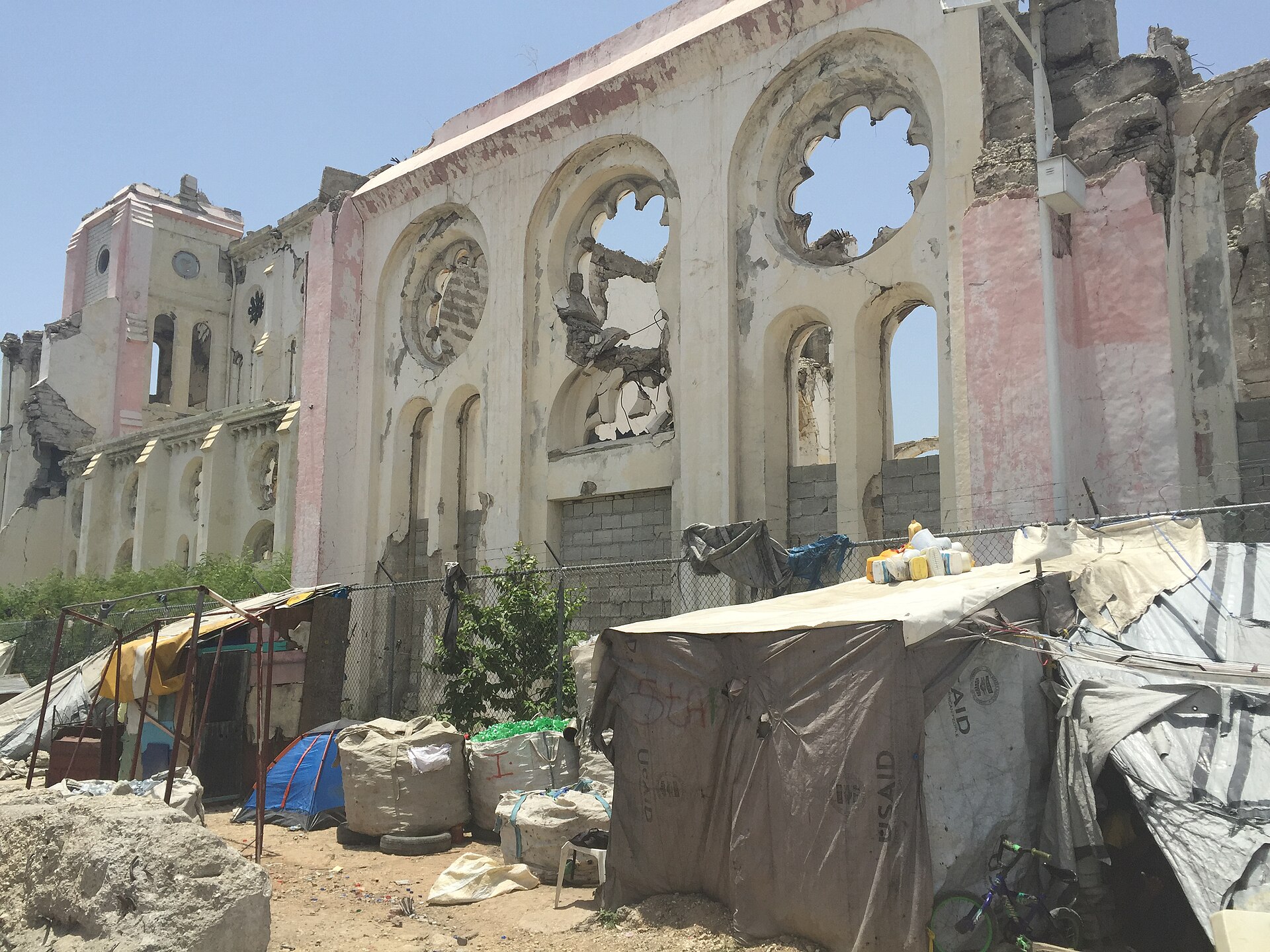
The ruins of Port-au-Prince Cathedral stand as a quiet witness to Haiti’s layered history, where faith and resilience have long intersected with hardship. Once known as the Cathédrale Notre-Dame de l’Assomption, this structure was more than a place of worship—it was a landmark that shaped the identity of the capital. Built in the late 19th century, when Haiti had already claimed its independence but was still defining its place in the world, the cathedral embodied both the country’s colonial past and its aspirations for the future. Its architecture blended European influences with local adaptations, featuring soaring vaults, stained glass, and stonework that spoke of French heritage while being practical for the tropical climate. For generations, the cathedral was the heart of the city, its bells marking time, its halls hosting weddings, baptisms, and funerals, and its presence anchoring the grand square in front of the presidential palace.
The earthquake of 2010 reduced much of that history to rubble in moments. The collapse of the cathedral was one of the most visible symbols of the disaster, a stark reminder of how quickly life could be upended. For many Haitians, the loss was deeply personal. This was where families had gathered for milestones, where communities had sought solace, and where the nation had mourned its dead. In the years since, the ruins have taken on a new role, becoming an unofficial memorial. Visitors leave candles, flowers, and handwritten notes among the broken walls, turning the site into a place of reflection. The cathedral’s remains are not just a relic of destruction but a testament to the enduring spirit of those who refuse to let memory fade.
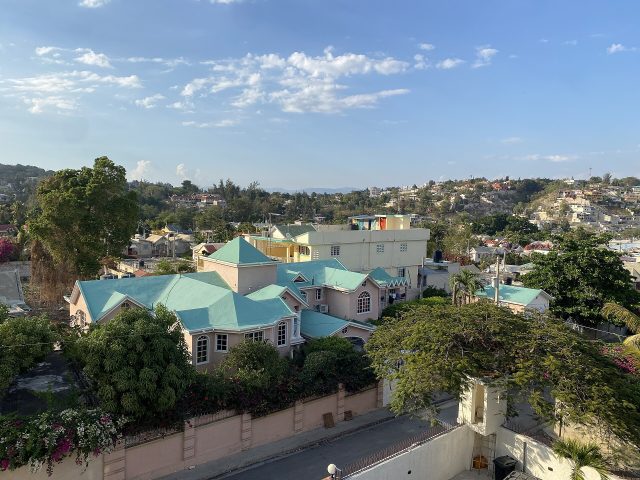
Walking through the ruins today, it’s impossible not to feel the weight of time. Nature has begun to reclaim the space, with vines creeping through cracks in the stone and moss softening the edges of fallen arches. The absence of a roof means the sky is always visible, a reminder of both vulnerability and openness. The cathedral was once part of a larger civic ensemble, a grand vision of a capital city that never fully materialized. Now, only fragments remain, but they offer glimpses of what Port-au-Prince might have been—a city where colonial grandeur met the vibrancy of Caribbean life. The surrounding neighborhood still carries traces of that past, with narrow streets, colorful facades, and the constant hum of daily life.
For locals, the cathedral is more than an architectural ruin; it’s a symbol of something deeper. It represents the faith that has sustained Haiti through centuries of struggle, the hope that persists even in the face of adversity. Though the building no longer serves its original purpose, it hasn’t been abandoned. On certain days, the ruins come alive with prayer services, community gatherings, or even impromptu concerts. The sound of voices rising among the broken walls creates a strange and moving contrast, as if the spirit of the place refuses to be confined by physical decay.
There have been discussions about restoring the cathedral, but progress has been slow. Haiti’s priorities have been elsewhere, and the resources needed for such a project are vast. Yet the ruins have found a new kind of purpose, drawing visitors who are less interested in polished monuments than in raw, unfiltered history. There are no guided tours here, no informational plaques—just the quiet invitation to observe, to listen, and to feel. The cathedral’s story is still unfolding, shaped by the people who continue to visit, to remember, and to imagine what might come next.
The future of the cathedral remains uncertain. It could one day be rebuilt, returning to its role as a spiritual and cultural hub. Or it might remain as it is, a permanent monument to a moment in time when the ground shifted beneath Haiti’s feet. Either way, the ruins are more than just a reminder of what was lost. They are a living part of the city, a place where the past and present coexist in uneasy harmony. For those who take the time to wander through them, the cathedral offers a rare opportunity to connect with the soul of Port-au-Prince—a city that has known both beauty and devastation, and that continues to endure.