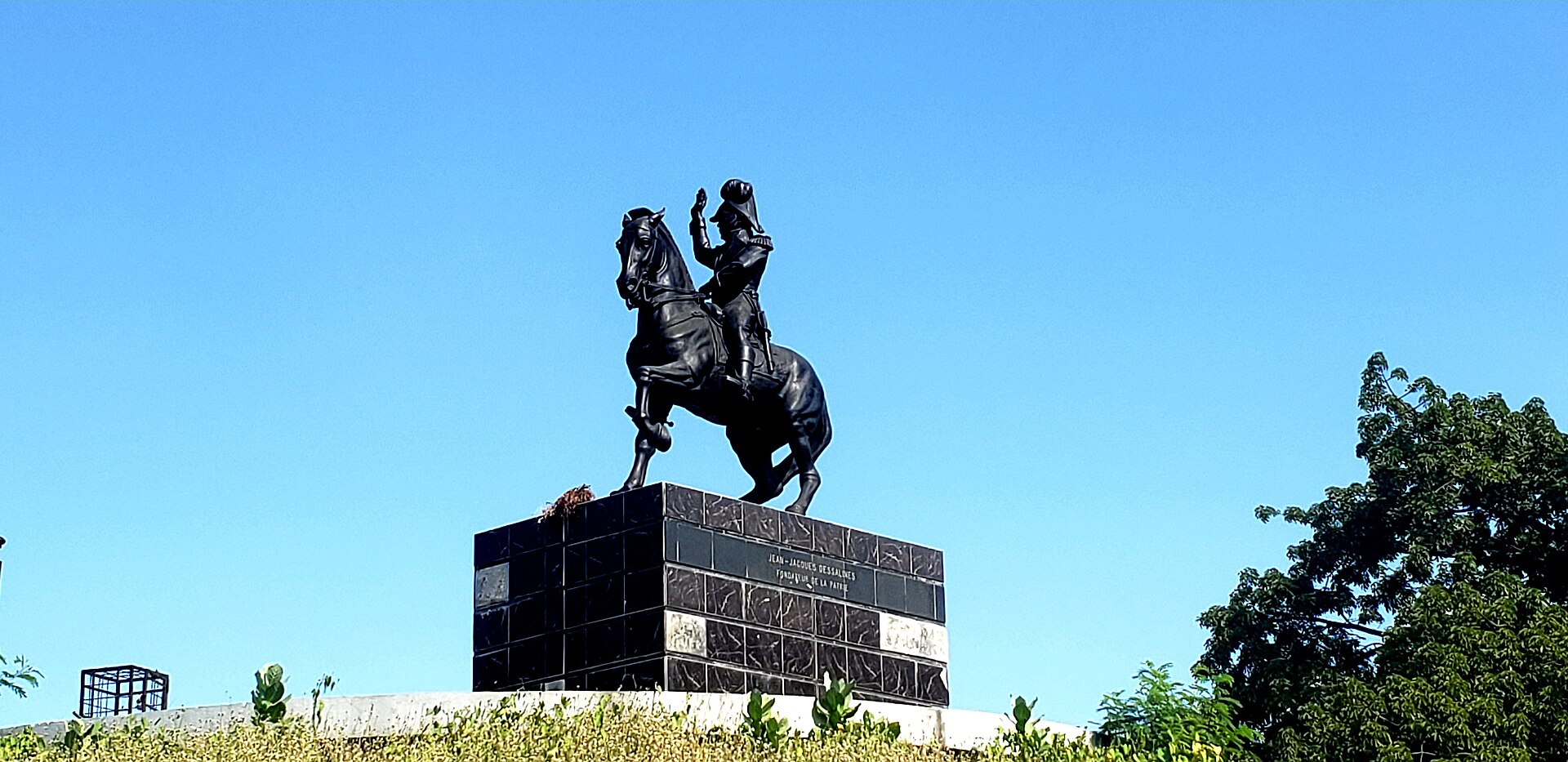
Port-au-Prince’s Place des Héros de l’Indépendance holds the weight of Haiti’s past. In the early 1800s, the nation’s first leaders stood here to declare freedom from colonial rule. The square is small—paved walkways, a few benches, a central monument—but its meaning isn’t.
Locals still call it *Champ de Mars*, a name from the days when French troops drilled on this ground before it became a symbol of revolution.
The monument at its center is a stone obelisk topped with a bronze flame. It honors the heroes of the Haitian Revolution. The flame represents those who fought, a reminder that independence was taken, not given. Around the base, plaques in French and Creole tell fragments of the story, their words faded by time. On quiet mornings, the monument feels like a silent witness.
The square is surrounded by Port-au-Prince’s most important buildings. To the north, the National Palace stands with its white facade and domed roofs. Built in the early 1900s, it was meant to project stability, though its history has been marked by earthquakes, coups, and political upheaval. Parts of it remain under repair. It looms over the square, a backdrop to Haiti’s modern struggles.
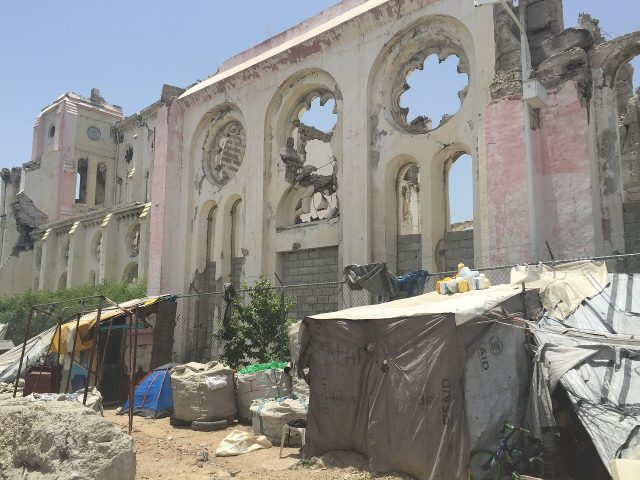
To the east, the ruins of the Cathedral of Our Lady of the Assumption are all that remain after the 2010 earthquake. The skeletal walls hint at what was lost. Even now, visitors come—some to pray, others to remember the city as it once was.
The square is full of contradictions. On weekdays, government workers hurry through, while vendors sell cold drinks and fried plantains. Children run across the open space. On weekends, the mood shifts. Older men play dominoes on the benches. Couples stroll, and the scent of roasting corn fills the air.
Place des Héros de l’Indépendance isn’t a museum. It’s where the past and present overlap. The monument has been a meeting point for protests, speeches, and the pulse of the city. It has seen celebrations and tragedies, unity and division, yet it endures.
Visitors expect grandeur, but the square’s power is in its simplicity. No towering statues, no elaborate fountains—just a flame, a few plaques, and the quiet dignity of a place that has witnessed history. It doesn’t demand attention, but it stays with you.
In the evenings, the square comes alive again. Streetlights flicker, casting shadows. Music drifts from nearby bars—kompa and reggae in the open air. The National Palace glows in the distance, its lights reflecting off the monument’s flame. For a moment, the struggles fade, and you feel the rhythm of the city.
This isn’t just a place on a map. It’s where Haiti’s past and present meet. Whether you come for history, to watch the city, or to find quiet in Port-au-Prince, the square offers something rare: continuity in a place that has known so much change. It doesn’t ask for reverence, only attention, and in return, it gives a piece of what it means to be Haitian.