Pleven
Bulgaria · 4 places
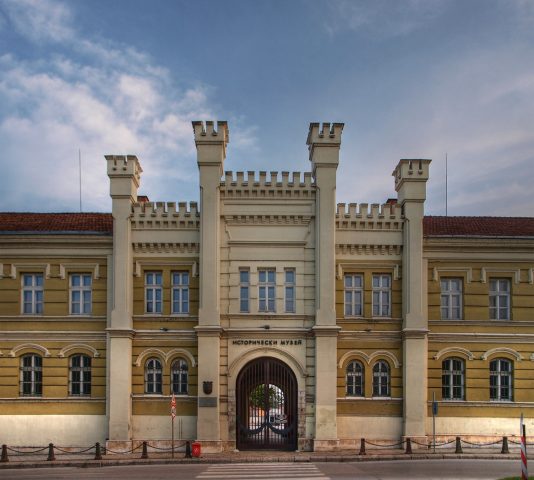
Photo: ShockD, CC BY-SA 4.0
Pleven is the kind of place that doesn’t announce itself with fanfare but quietly leaves its mark. Tucked away in northern Bulgaria, it sits off the well-trodden routes between Sofia and the Black Sea coast, and that’s precisely what makes it special. There are no crowds of tourists here, just the unhurried rhythm of a provincial city where history and everyday life blend so seamlessly that you might not even notice where one ends and the other begins. Pleven doesn’t try to be anything other than itself, and that’s where its charm lies.
The city is best known for its role in the Russo-Turkish War of the 19th century, when the Ottoman forces under Osman Pasha held out for months against Russian and Romanian troops in what became known as the Siege of Plevna. Today, the open-air museum park commemorates those events with monuments, cannons, and reconstructed fortifications scattered among the greenery. Walking along its paths, you can almost hear the echoes of gunfire and the shouts of soldiers, though now the only sounds are the rustling of leaves and the occasional breeze. Nearby, the ossuary-mausoleum holds the remains of thousands who perished in the battles. It’s not so much a tourist attraction as a place of reflection, a reminder of the cost of peace.
Yet Pleven is more than just a chapter in military history. It’s a city that lives at its own pace, and that’s part of its appeal. The central square, with its fountain and low-slung buildings in the Bulgarian modernist style, feels like a place where time has slowed down. In summer, locals gather here to sip coffee under the shade of trees, while in winter, the square glows with lights and the scent of roasted chestnuts fills the air. Just a short walk away, the pedestrian street is lined with small shops and cafés, perfect for people-watching or simply soaking in the unhurried atmosphere. Even visitors quickly adapt to the city’s relaxed tempo.
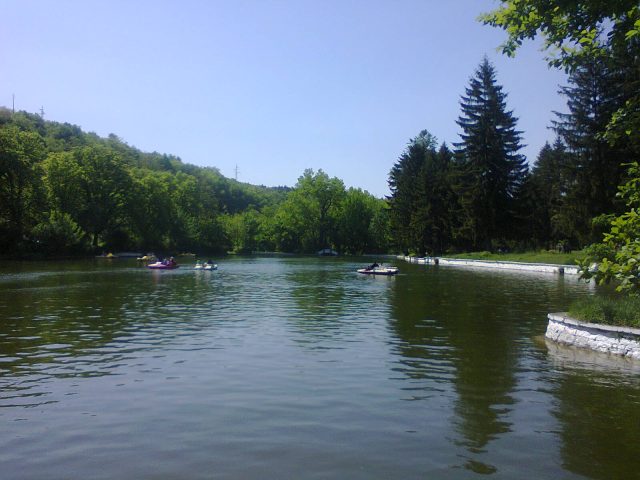
The countryside around Pleven is just as inviting. The city lies in the valley of the Vit River, surrounded by rolling hills, vineyards, and orchards. Local winemakers take pride in their grapes, producing wines that are enjoyed well beyond Bulgaria’s borders. Not far from the city, Kaylaka Nature Park offers forest trails and a small lake, ideal for a quiet walk or a picnic. In summer, the park stays cool even on the hottest days, while autumn paints the trees in shades of gold and crimson, creating a sense of tranquility.
Pleven doesn’t aim to be trendy or glamorous, and that’s its strength. There are no luxury hotels or flashy entertainment complexes here, just cozy family-run guesthouses where hosts welcome visitors like old friends. The food is simple but delicious—fresh vegetables, grilled meats, homemade cheeses, and, of course, local wine. Many restaurants feature live music, and you might even find yourself joining in a traditional Bulgarian dance. The city doesn’t try to impress everyone, but those who do visit often leave with a quiet sense of contentment, not from grand experiences, but from the warmth and calm that define life here.
See & Do
All of them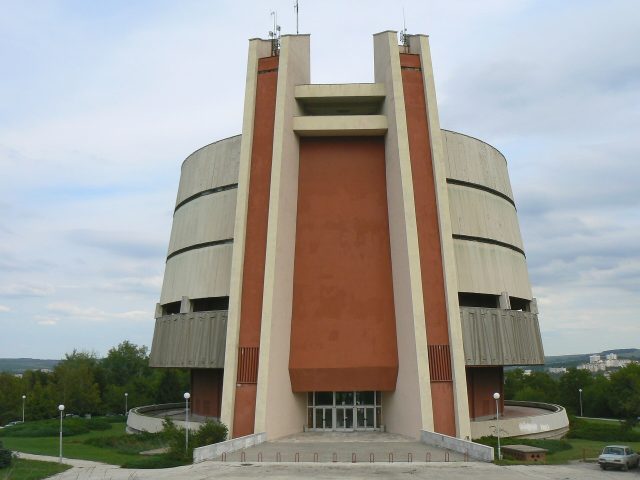

Places on the map
Marker colour follows the categoryClimate and weather
Detailed weather: Pleven- Average temperature
- 14 °C
- Precipitation per year
- 577 mm
- Average humidity
- 67 %
- Sunshine hours per day
- 9.3 h
- Time zone
- UTC+3 (GMT+3)
Average air temperature
°C
4
4
9
13
16
23
27
26
21
14
8
4
Jan
Feb
Mar
Apr
May
Jun
Jul
Aug
Sep
Oct
Nov
Dec