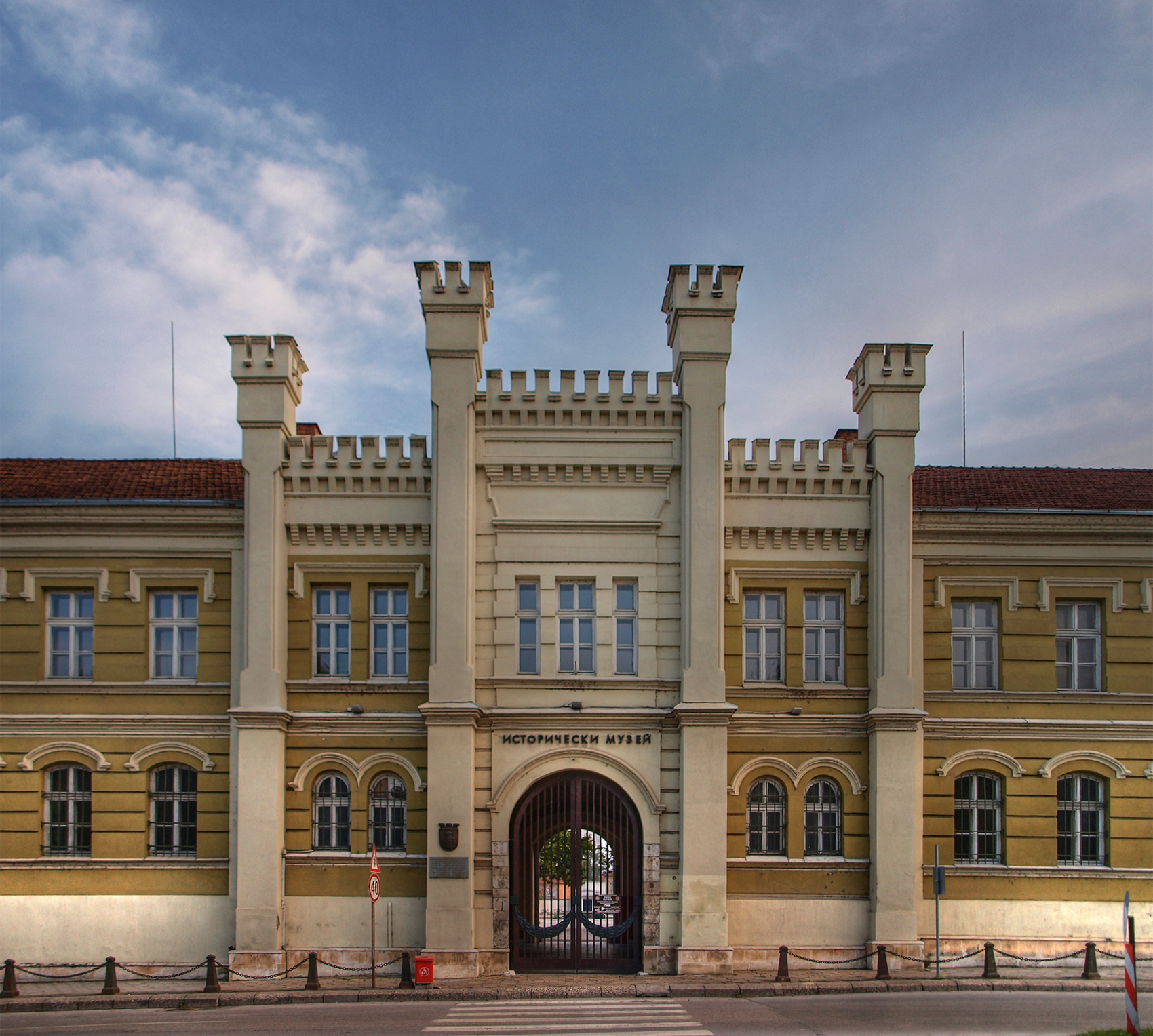
Pleven’s Regional Historical Museum is one of those places where the past feels less like a distant memory and more like a quiet conversation still unfolding. Housed in a stately building that once served as a girls’ high school in the late 19th century, the museum carries the weight of history not just in its exhibits but in its very walls. The structure itself is a blend of neoclassical and revivalist Bulgarian architecture, with tall windows and arched doorways that hint at the intellectual ambitions of the era when it was built. Walking through its halls, you can almost hear the murmurs of students from another time, their footsteps echoing alongside the artifacts that now tell the story of the region.
The museum’s collections span thousands of years, from prehistoric settlements to the turbulent 20th century, but it’s the exhibits on the Russo-Turkish War of 1877–1878 that give Pleven its place in history. The city was the site of one of the war’s most grueling battles, a five-month siege that became a turning point in Bulgaria’s struggle for independence from Ottoman rule. The museum doesn’t shy away from the brutality of the conflict, displaying weapons, uniforms, and personal belongings of soldiers alongside maps and documents that trace the strategic maneuvers. One of the most striking pieces is a diorama of the battle, a meticulously crafted miniature that brings the chaos of war to life in a way that feels both immediate and strangely intimate.
Beyond the military history, the museum offers a broader look at life in the region across the centuries. The archaeological section is particularly rich, with artifacts from the Thracian, Roman, and Byzantine periods that reveal how this part of the Balkans has always been a crossroads of cultures. There are delicate gold ornaments, intricately carved stone fragments, and everyday objects like pottery and tools that speak to the rhythms of daily life long before Pleven became a city. The ethnographic exhibits, meanwhile, showcase the traditions of the local population—textiles, folk costumes, and household items that illustrate how people adapted to the land and its challenges over generations.
What makes the museum more than just a repository of objects is the way it connects these artifacts to the people who made and used them. A simple wooden plow isn’t just a farming tool; it’s a testament to the resilience of communities that tilled the same soil for centuries. A child’s toy, a woman’s embroidered apron, or a soldier’s last letter home—each piece carries a story that feels personal, even if the names have been lost to time. The museum’s curators have done a thoughtful job of balancing the grand narratives of history with these smaller, human details, making the past feel accessible rather than distant.
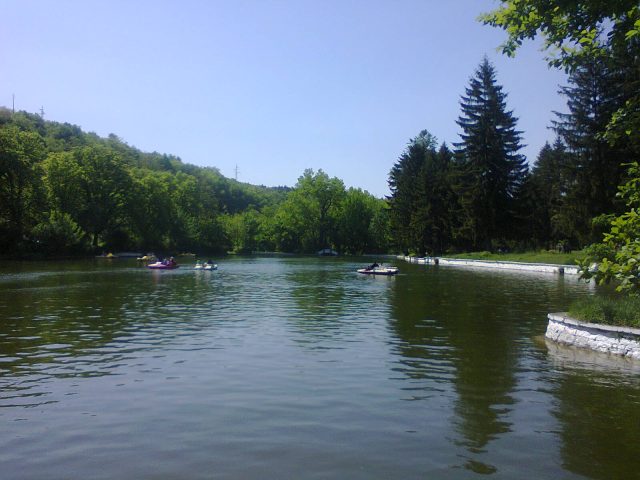
The building itself is worth lingering in, not just for its architecture but for the atmosphere it creates. The high ceilings and wide corridors give the exhibits room to breathe, and the natural light streaming through the windows softens the weight of the heavier displays. There’s a quiet dignity to the place, a sense that history isn’t just being preserved here but honored. Outside, the museum is set in a small park, a green space that offers a moment of calm after the intensity of the exhibits. It’s the kind of spot where visitors often pause, flipping through their notes or simply sitting on a bench to let everything sink in.
For those who know little about Bulgarian history, the museum provides a compelling introduction, but even locals find new layers to uncover. The exhibits on the socialist period, for example, offer a nuanced look at a time that’s often reduced to simplistic narratives. Here, you’ll find propaganda posters alongside personal photographs, state-issued documents next to handwritten diaries, all of it painting a picture of a society in flux. It’s a reminder that history isn’t just about wars and revolutions but about the people who lived through them, making choices both big and small.
Pleven isn’t a city that draws crowds of tourists, and that’s part of the museum’s charm. There’s no rush here, no sense that you’re being hurried along to make room for the next group. You can spend as much time as you like in front of a single display, or wander back through the halls to revisit something that caught your eye earlier. The staff, too, add to the experience—they’re knowledgeable without being overbearing, happy to answer questions but just as content to let visitors explore at their own pace.
In the end, the Regional Historical Museum does what the best museums do: it makes you see the world a little differently. Whether it’s the realization that the ground beneath Pleven has been fought over for millennia or the quiet awe of holding a 2,000-year-old coin in your mind’s eye, the place leaves an impression. It’s not about spectacle or grandeur but about connection—the kind that comes from standing in a room full of objects that have outlasted the people who made them, and feeling, just for a moment, like you’re part of something larger than yourself.