The Pleven Epic is a place where history doesn’t just sit behind glass—it breathes. Tucked on the edge of the city, this memorial complex commemorates one of the most pivotal moments of the Russo-Turkish War of 1877–1878: the Siege of Plevna. For five months, this quiet corner of Bulgaria became the stage for a brutal standoff that would reshape the fate of the Balkans. The battles fought here weren’t just military engagements; they were a turning point in the struggle for independence, a moment when the course of an entire region hung in the balance. Today, the site stands as a reminder of resilience, sacrifice, and the fragile hope that often emerges from the darkest chapters of war.
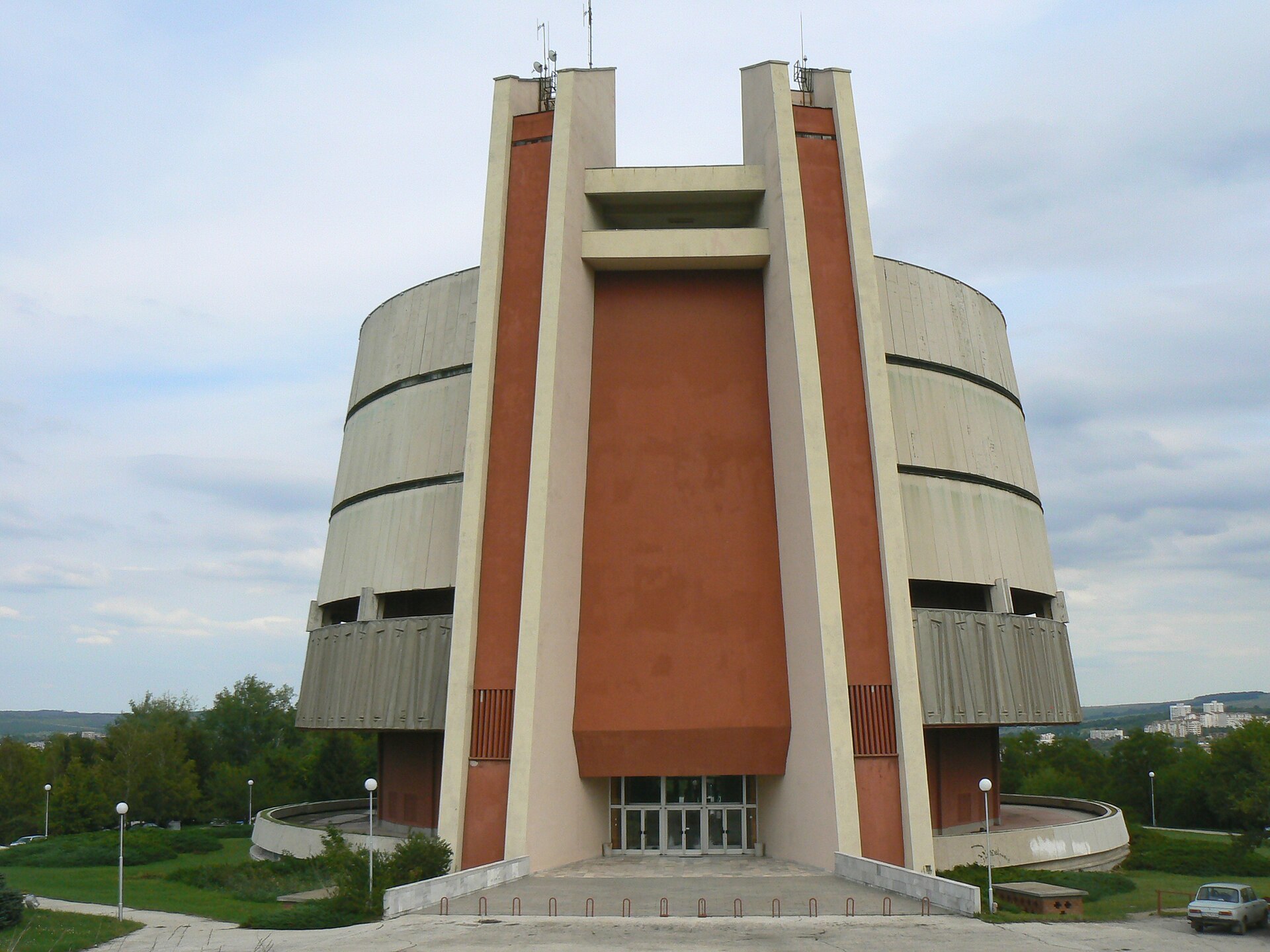
At the heart of the complex is the panorama, a colossal circular painting that immerses visitors in the chaos of the siege. Unlike static museum displays, this isn’t just a depiction of history—it’s an experience. The canvas wraps around you, pulling you into the smoke and noise of battle, the shouts of soldiers, the thunder of artillery. The effect is deliberate, designed to make the past feel immediate. Outside, the landscape itself becomes part of the story. Reconstructed fortifications, trenches, and gun emplacements stretch across the hills, their earthworks still bearing the scars of conflict. Walking among them, it’s easy to imagine the tension of those autumn days in 1877, when every inch of ground was contested.
One of the most striking features of the site is Skobelev Park, named after the Russian general Mikhail Skobelev, whose leadership became synonymous with the siege. Skobelev was a figure of contradictions—a brilliant tactician with a reputation for reckless bravery, a man who inspired both awe and fear. His statue stands in the park, a silent sentinel over the fields where his troops once fought. The paths here wind past the very positions where some of the heaviest fighting took place, now overgrown with grass and wildflowers. In summer, the only sounds are the rustle of leaves and the distant hum of the city, but the weight of what happened here lingers. It’s a place where the past feels close enough to touch.
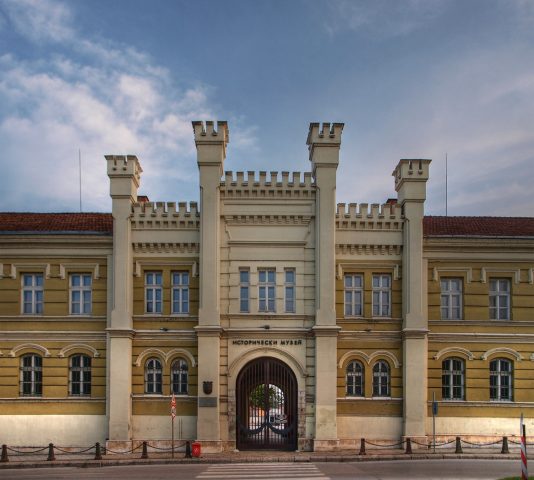
The museum within the complex offers a more intimate look at the human stories behind the siege. Exhibits include letters from soldiers, some barely literate, scribbled in haste between battles; maps marked with the movements of troops; and personal effects—watches, boots, even a child’s toy found in the ruins of a burned village. The most moving displays are those dedicated to the Bulgarian volunteers who fought alongside the Russian army. For them, the war wasn’t just about geopolitics; it was a fight for survival, for the chance to reclaim their homeland after centuries of Ottoman rule. Their uniforms, weapons, and diaries speak to a shared struggle, one that transcended borders and languages.
The architecture of the memorial reflects its solemn purpose. The buildings housing the panorama and museum are imposing yet restrained, their clean lines and monumental scale designed to command respect without overwhelming the visitor. There’s no grandiosity here, just a quiet acknowledgment of the gravity of the events they commemorate. The wide staircases and open plazas invite reflection, while the careful placement of exhibits ensures that the focus remains on the stories, not the spectacle.
For many, a visit to the Pleven Epic is more than a history lesson—it’s a confrontation with the realities of war. The site doesn’t glorify conflict; it lays bare its costs. You can spend hours wandering the park, tracing the outlines of old trenches, or sitting on a bench near the Skobelev monument, trying to reconcile the peaceful present with the violence of the past. The contrast is stark. The same hills that once echoed with gunfire now offer a view of modern Pleven, a city that has long since moved on. Yet the memorial ensures that the past isn’t forgotten. Nearby, the ossuary holds the remains of Russian and Romanian soldiers who died during the siege, a stark reminder of the lives lost.
Pleven itself is a city that carries its history lightly. Unlike some battlefields that remain frozen in time, it has grown and changed, its streets now lined with cafes and shops. But the echoes of 1877 are never far away. The names of generals and battles are woven into the fabric of the city—Skobelev Street, the Panorama Hotel, the monuments tucked into public squares. For locals, the siege isn’t just a chapter in a textbook; it’s part of their identity, a story passed down through generations. For visitors, it’s a chance to see how a single event can shape a place, its people, and its future.
What makes the Pleven Epic particularly compelling is its refusal to simplify history. The siege wasn’t a neat victory or a clear-cut moral tale. It was messy, brutal, and uncertain until the very end. The exhibits don’t shy away from this complexity. They show the desperation of the Ottoman defenders, the strategic missteps of the Russian command, the suffering of civilians caught in the crossfire. There are no easy heroes here, just people—soldiers, volunteers, families—doing what they believed they had to do. In that sense, the memorial is as much about the present as it is about the past. It asks visitors to consider what it means to fight for something, to endure, to remember.
Walking away from the site, it’s hard not to feel the weight of what you’ve seen. The Pleven Epic doesn’t offer easy answers, but it does something more important: it makes history feel real. The letters in the museum, the trenches in the park, the names on the ossuary—all of them serve as a bridge between then and now. In a world where conflicts still rage and borders are still contested, this place is a reminder of the human cost of war. But it’s also a testament to something else: the enduring power of memory, and the hope that even in the darkest times, there are those willing to stand for what they believe in.