- Home
- United Kingdom
- Carnarvon Gorge
Carnarvon Gorge
United Kingdom · 7 places
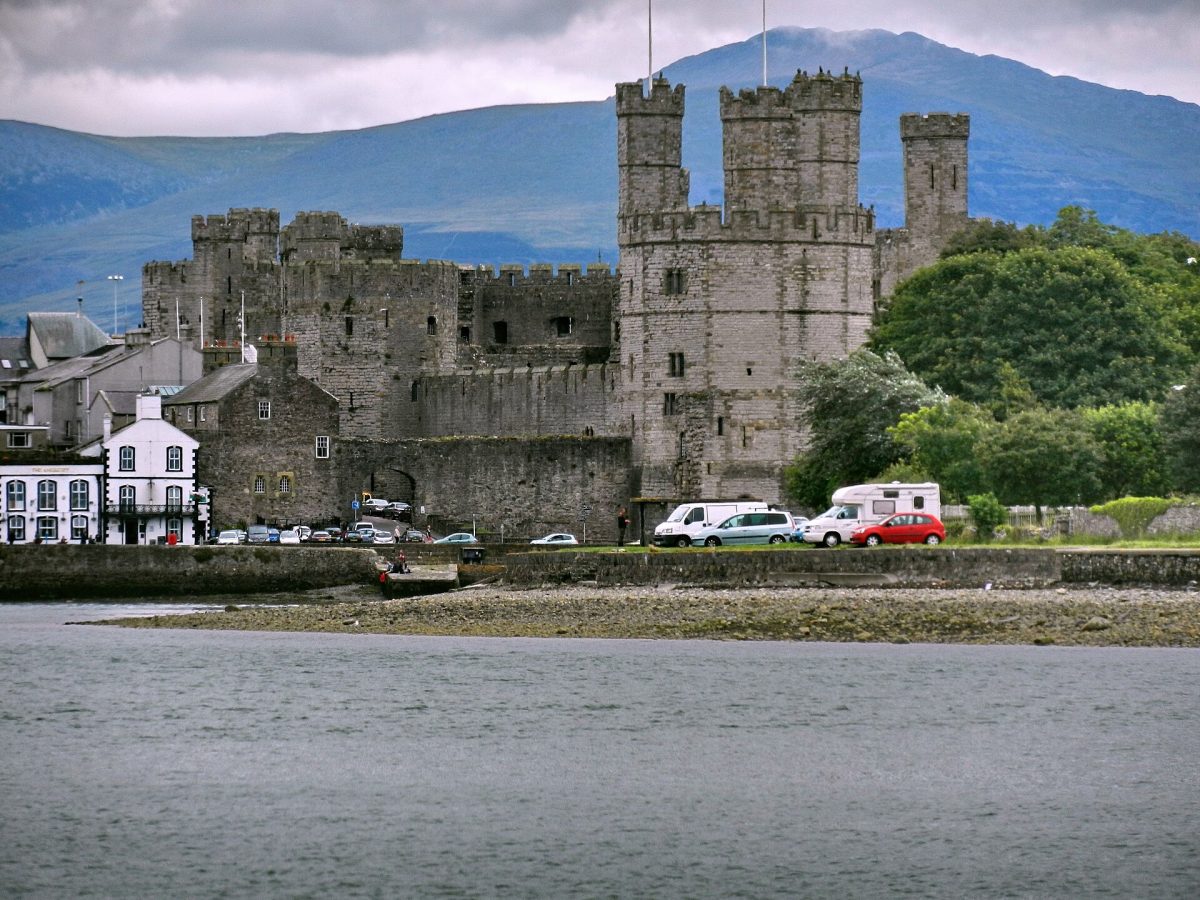
Photo: Tanya Dedyukhina, CC BY 3.0
Carnarvon is the kind of place where the past doesn’t just linger—it breathes through the stones, the salt air, and the slow rhythm of life along the Menai Strait. Tucked into the northwest corner of Wales, where the mountains of Snowdonia meet the sea, the town feels suspended in time, as if the centuries have settled here like mist over the water. The castle dominates the skyline, its massive walls and angular towers rising above the harbor like something from a medieval tale, but the real magic of Carnarvon lies in the quiet details: the cobblestone streets winding past pastel-fronted houses, the scent of fresh bread drifting from a bakery, the way the light catches the waves in the late afternoon.
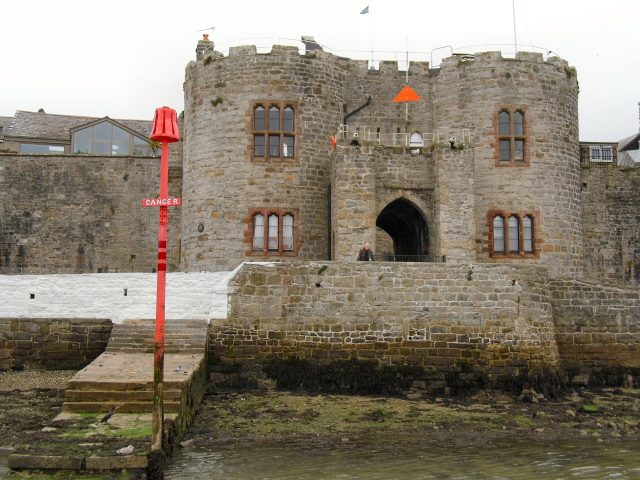
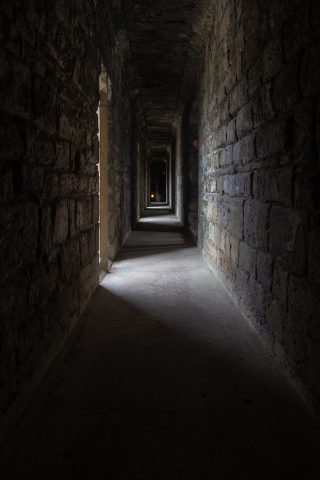
The castle is the town’s undisputed centerpiece, a masterpiece of 13th-century military architecture built at the command of Edward I to assert English rule over Wales. Its thick walls, imposing gatehouses, and labyrinthine defenses were designed to intimidate, and even now, standing in its shadow, it’s easy to imagine the clatter of armor and the distant shouts of guards. Inside, the ruins of royal chambers and the eerie depths of the dungeons hint at the lives that once filled these spaces. A UNESCO World Heritage site, the castle is open year-round, and climbing its battlements rewards you with sweeping views of the strait and the mountains beyond—especially at dusk, when the water turns to liquid gold. But the castle isn’t just a relic; it’s a living part of the town, a place where history feels immediate, not distant.
Beyond the fortress walls, Carnarvon moves at its own unhurried pace. There’s no rush here, no sense of a place performing for visitors. The morning market is where you’ll find the day’s catch—silver mackerel or plump mussels—alongside wheels of crumbly local cheese and jars of honey from the hills. By evening, the pubs hum with conversation and music, often in Welsh, the language weaving through the air like an old song. The people here don’t just live in Carnarvon; they carry its stories, whether it’s the fisherman pointing out the best spot to see seals or the shopkeeper who remembers when the castle’s stones were blackened with soot from the now-gone slate quarries. It’s a place where the past isn’t just preserved—it’s still being lived.
The waterfront is where the town’s two worlds—land and sea—meet most vividly. On blustery days, the wind whips off the strait, carrying the sharp tang of salt and the cries of gulls. In summer, the ferry to Anglesey shuttles passengers across the water, where the island’s wild beaches and ancient standing stones wait. Winter turns the promenade quiet, the kind of quiet that makes the sound of waves lapping against the pier feel like a secret. Just beyond the town, the trails of Snowdonia begin, leading to the summit of Wales’ highest peak or through valleys where waterfalls tumble over moss-covered rocks. But you don’t have to go far to feel the pull of the landscape; even a short walk along the shore, watching the tide roll in, is enough to understand why this place has always drawn people back.
Carnarvon doesn’t announce itself with fanfare. There are no neon signs or crowds jostling for the perfect photo. Instead, it reveals itself slowly, like a story told in whispers. The beauty here isn’t in grand gestures but in the small, everyday things: the way the light slants through the narrow streets in the afternoon, the taste of a buttery Welsh cake from a café that’s been there for decades, the way the castle’s silhouette changes with the seasons—soft in summer haze, stark against a winter sky. It’s a place that asks you to slow down, to look closer, to listen. And if you do, you’ll find that the real magic of Carnarvon isn’t just in its history or its scenery, but in the quiet sense that you’ve stepped into a world that still moves to its own ancient rhythm.
See & Do
All of them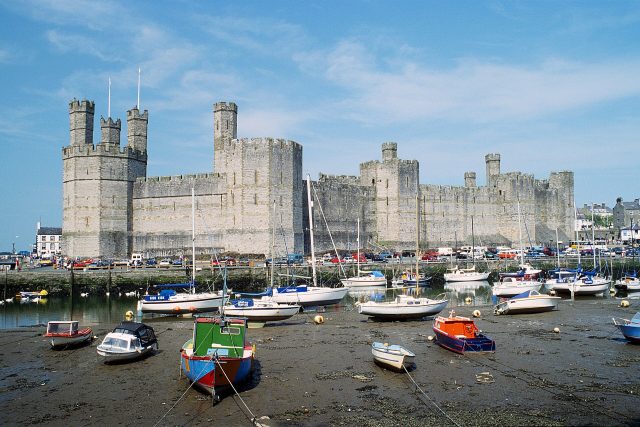
Places on the map
Marker colour follows the categoryClimate and weather
Detailed weather: Carnarvon Gorge- Average temperature
- 11 °C
- Precipitation per year
- 890 mm
- Sunshine hours per day
- 4.1 h
Average air temperature
°C
7
7
8
9
12
15
16
16
15
12
9
8
Jan
Feb
Mar
Apr
May
Jun
Jul
Aug
Sep
Oct
Nov
Dec