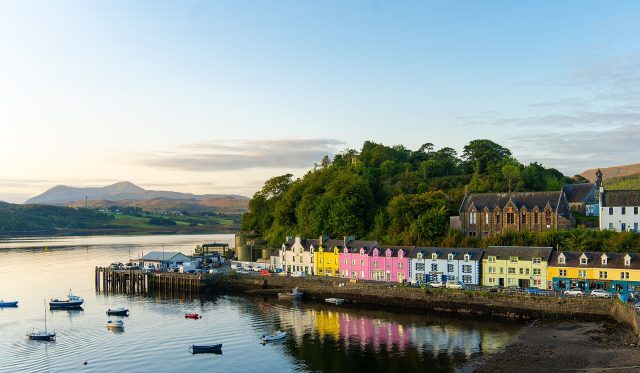
Pécs
Serbia · 8 places
Photo: GentiBehramaj, CC BY-SA 4.0
Peć sits quietly in western Serbia, where the rugged folds of the Balkans soften into the plains of Metohija. There’s no rush here, no tourist crowds, just the slow rhythm of a town that has carried on much the same for generations. The scent of fresh bread drifts from bakeries in the morning, and the streets, lined with low houses and wooden balconies, feel lived-in rather than polished for visitors. From the foothills of the Prokletije Mountains, the view unfolds in layers—red-tiled roofs, white minarets, and slopes of green stretching toward the horizon. Peć doesn’t try to impress; it simply exists, and that’s what makes it worth lingering in.
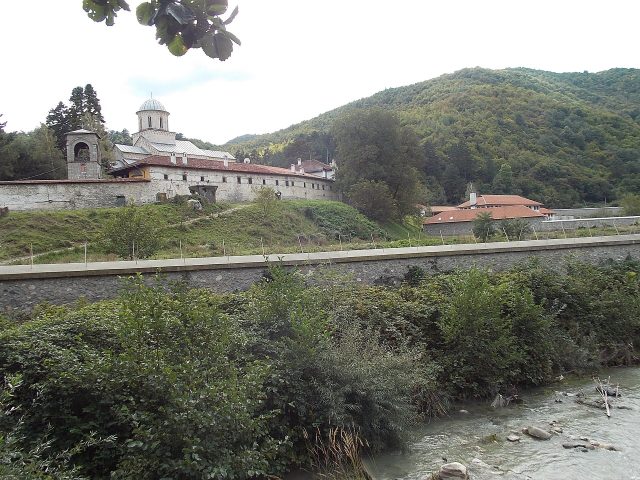
History here is tangible, woven into the very stones of the Patriarchate of Peć, the spiritual heart of the Serbian Orthodox Church since the 13th century. The monastery complex, with its darkened frescoes and thick walls, feels suspended in time, as if the Middle Ages never quite ended. Inside, ancient manuscripts and icons rest beside the tombs of archbishops, their presence still felt in the hushed reverence of visitors. For locals, it’s a place of pilgrimage; for outsiders, a rare chance to step into a past that hasn’t been sanitized for tourists. The town itself is small enough to explore on foot, its cobblestone streets leading from the old Bajrakli Mosque to the Orthodox cathedral, past shops selling honey, cheese, and homemade wine. In summer, the mountain air keeps the heat at bay, while winter drapes the rooftops in snow for weeks. At a café on the square, you might find old men playing chess or children weaving between parked cars, their laughter mixing with the clink of Turkish coffee cups.
Beyond the town, the landscape grows wilder. A short drive away, the Rugova Gorge carves through the mountains, where the Lumbardh River has spent centuries sculpting waterfalls and caves into the rock. Locals call it Serbia’s Switzerland, though the comparison only goes so far—the scenery here is distinctly Balkan: untamed, dramatic, and quietly breathtaking. In summer, the gorge draws hikers and rafters, while winter turns it into a silent, snow-dusted world. But even in the off-season, the raw beauty of the place lingers, as if the mountains themselves are holding their breath.
Peć isn’t a place for luxury or nightlife, nor does it pretend to be. There are no grand hotels or neon-lit bars, just a handful of family-run guesthouses and taverns where meals are cooked the way they’ve always been—slow, simple, and meant to be shared. The Bistrica River runs through the town, its banks a good spot to sit with a glass of local wine or a plate of grilled trout, watching the water slip past. The town doesn’t demand attention; it doesn’t need to. A few days here are enough to settle into its unhurried pace, to wander without purpose, to let the quiet seep in. Peć doesn’t tell its story loudly—it doesn’t have to. The story is in the way the light falls on the minarets at dusk, in the sound of church bells mingling with the call to prayer, in the way the past and present coexist without fuss. That’s more than enough.
See & Do
8 places
Places on the map
Marker colour follows the categoryClimate and weather
Detailed weather: Pécs- Average temperature
- 13 °C
- Precipitation per year
- 1528 mm
- Average humidity
- 68 %
- Sunshine hours per day
- 9.5 h
- Time zone
- UTC+2 (GMT+2)
Average air temperature
°C
4
5
9
11
15
21
24
23
19
14
8
5
Jan
Feb
Mar
Apr
May
Jun
Jul
Aug
Sep
Oct
Nov
Dec