The Patriarchal Mosque of Pécs is one of those rare places where history doesn’t just linger in the stones—it breathes. Standing in the heart of the city, it serves as a quiet witness to the layers of time that have shaped this part of the Balkans. Built in the 16th century during Ottoman rule, the mosque is a remnant of an era when Pécs was not only a center of Serbian Orthodoxy but also a significant outpost of the empire that stretched across three continents. Today, it remains a symbol of the region’s complex past, where cultures collided, coexisted, and left behind something enduring.
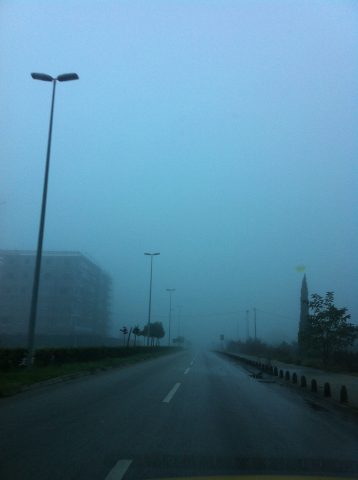
The architecture of the mosque follows the classic Ottoman style of its time, yet it carries subtle distinctions that set it apart. The building is modest in size, but its proportions are carefully balanced—a tall minaret, a simple cubic prayer hall, and a portico supported by slender columns all contribute to a sense of harmony. Inside, the space feels open and airy, with natural light streaming through large windows. The mihrab, the niche pointing toward Mecca, is adorned with delicate carvings, though the overall design avoids ostentation. Unlike the grand mosques of Istanbul or Edirne, this one carries a restrained elegance, as if its beauty lies in its understatement rather than its grandeur.
What makes the Patriarchal Mosque particularly fascinating is its journey through time. After the Ottomans withdrew, the building underwent several transformations. At one point, it served as a warehouse, and later, it stood abandoned, its purpose forgotten. It wasn’t until the 20th century that restoration efforts began, eventually returning it to its original function—though now as a place of worship for Pécs’ small Muslim community. This revival is unusual; many religious structures from the Ottoman period were repurposed or left to decay, but here, the mosque found new life in a different era.
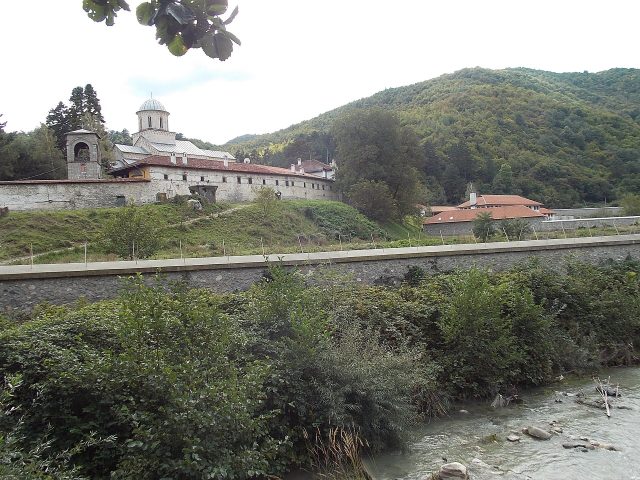
Pécs itself is a city where history feels tangible at every turn. The Patriarchal Mosque is just one piece of its rich tapestry, standing near the famous Pécs Patriarchal Monasteries, a UNESCO World Heritage site. Together, these places tell a story of coexistence—Orthodox Christianity and Islam, side by side for centuries. The city has long been a crossroads, where different faiths and traditions intersected, creating a unique cultural blend. Walking through Pécs, it’s easy to imagine how, in the Middle Ages, merchants, scholars, and pilgrims from East and West might have passed through its streets, leaving behind traces of their worlds.
Visiting the mosque is a quiet experience. There are no crowds, no guided tours rushing you along—just the stillness of the interior and the faint sounds of the city outside. The floors are covered in carpets, and the space invites reflection. It’s hard not to think about the countless people who have stood here over the centuries, praying, seeking solace, or simply passing through. The mosque doesn’t demand attention with opulence or scale; instead, it offers something more subtle—a sense of continuity, of time moving differently within its walls.
For those interested in the history of the Balkans, the Patriarchal Mosque is more than just an architectural curiosity. It’s a reminder of the Ottoman Empire’s lasting influence on the region, from its language and customs to its built environment. Yet it doesn’t feel like an imposition or a relic of foreign rule. Instead, it feels like part of the shared heritage of the people who live here now, a testament to how deeply intertwined these cultures once were.
The mosque is open to visitors, and stepping inside is a simple act—no tickets, no barriers, just a request to respect the space. Pécs isn’t a city overrun with tourists, and that’s part of its charm. You can wander its streets at your own pace, stopping to admire the old buildings, the quiet courtyards, or the small cafés serving traditional food. The mosque, the monasteries, and the everyday life of the city all blend together, creating an atmosphere that’s hard to find elsewhere.
If you find yourself in Pécs, take the time to visit the Patriarchal Mosque. It may not have the grandeur of Istanbul’s great mosques, but that’s precisely what makes it special. Here, history doesn’t shout—it whispers, waiting for those who are willing to listen. And Pécs, with its blend of cultures and eras, offers a rare glimpse into how the past and present can coexist, shaping a place that feels both timeless and deeply human.