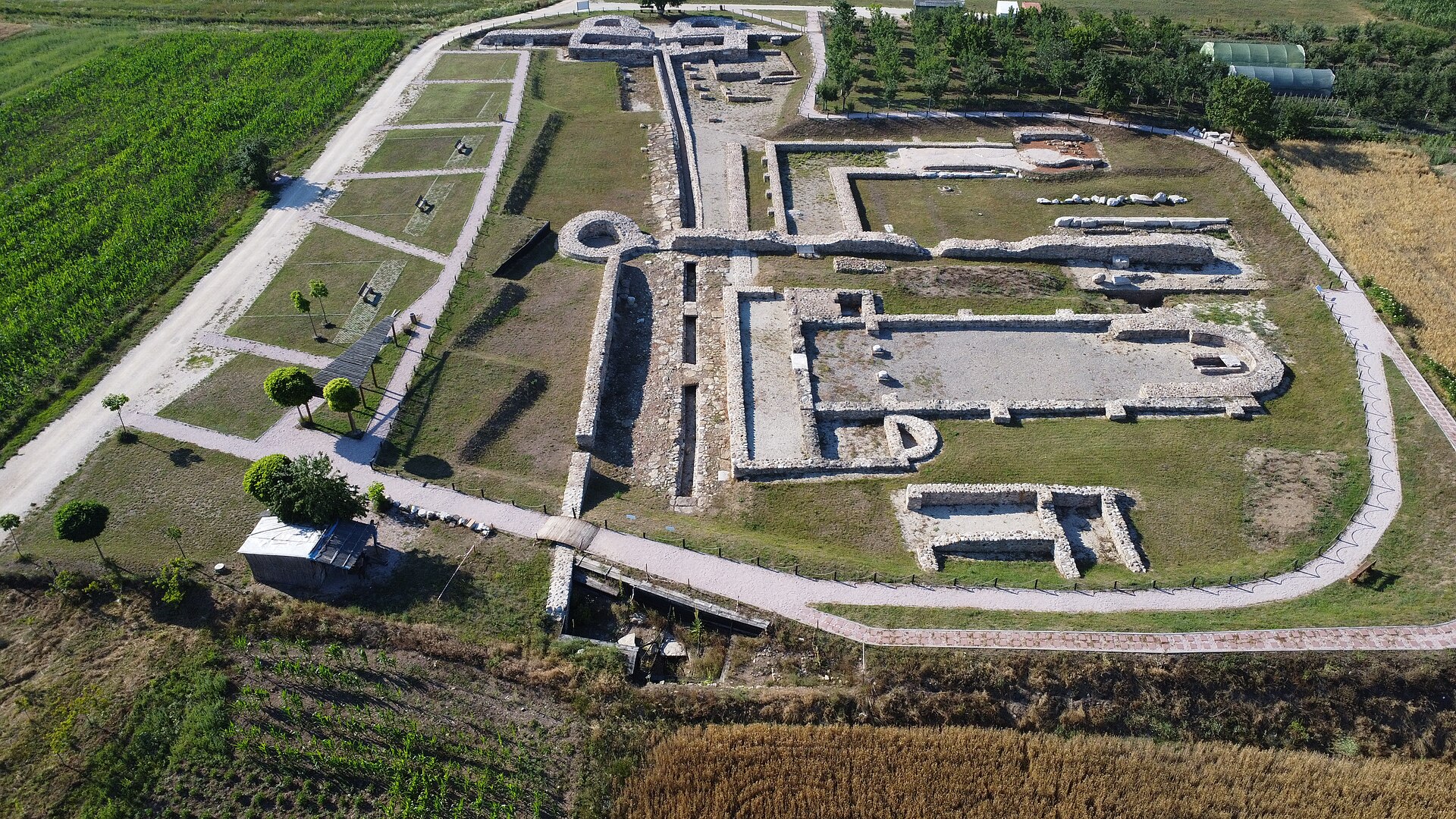
The ruins of Ulpiana lie on the hills above a valley just outside Pécs, where ancient trade routes once wound through the landscape. The Romans founded the city in the second century, naming it after Emperor Marcus Ulpius Trajan. Locals still call it the Old City, a quiet place where the past lingers in the wind that rustles through the grass between the stones. If you listen closely, you might hear echoes of the voices that once filled these streets—merchants haggling, craftsmen at work, soldiers marching—nearly two thousand years ago.
What remains of Ulpiana is a fragment of its former self, uncovered by archaeologists over the years. The forum, the heart of the ancient municipality, was where the city’s fate was decided, laws were passed, and markets thrived. Nearby, the foundations of temples and baths hint at daily life, where people didn’t just bathe but conducted business, socialized, and debated the issues of the day. Water flowed into the baths through an aqueduct, traces of which can still be seen on the hillsides. Ulpiana wasn’t just another provincial town; it was part of Upper Moesia and later became an early center of Christianity in the Balkans.
The most striking structure here is the fifth- or sixth-century basilica, one of the first Christian churches in the region. Its mosaic floors, adorned with geometric patterns, suggest that the congregation included members of the local elite. Beside it lies a necropolis, where tombstones inscribed in Latin bear the names of artisans and soldiers, a quiet testament to the lives that once unfolded here.
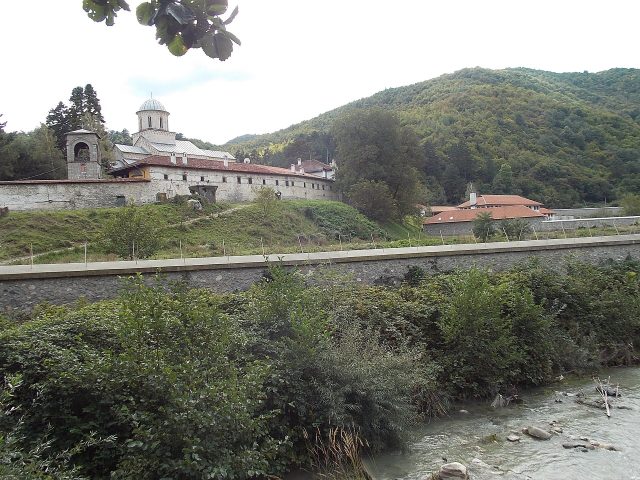
Ulpiana’s decline began in the third century when Goths sacked the city, followed by Huns and Avars in later waves. By the sixth century, life here had all but faded, though the site retained its spiritual significance. A Byzantine settlement rose from the ruins, and later, a monastery stood where the ancient city once thrived.
Today, Ulpiana is a place of stones, grass, and sky. There are no reconstructions, no interpretive signs—just what time and nature have left behind. It’s not a polished tourist attraction but a raw, unfiltered glimpse into the past. The absence of crowds makes it easier to imagine the city as it once was, bustling with activity, its streets lined with buildings that have long since crumbled into dust.
On a clear day, the view from the hills stretches across the valley, where fields, forests, and mountains look much as they did in Roman times. In summer, the heat is intense, but the shade of a few scattered trees offers relief. In autumn, the hills turn golden, and the ruins blend into the landscape, as if the earth itself is slowly reclaiming them.
Excavations continue, and each year brings new discoveries—coins, pottery, fragments of sculpture. Some artifacts end up in museums, while others wait in storage for their turn to be studied. Not all of the ruins are accessible; parts of the site are closed to protect what remains, and other areas are still buried beneath the earth. But even what is visible gives a sense of the city’s scale, a reminder of how much has been lost to time.
Standing among the broken columns and scattered stones, it’s easy to forget the centuries that separate the present from the past. There’s no rush, no noise, just the wind and the occasional cry of a bird. That stillness is what draws people here—not for guided tours or interactive exhibits, but for the chance to walk where others walked, to touch the same stones, and to feel, if only for a moment, what it might have been like to call this place home.