Szahin Square is one of those rare places in Pécs where the city reveals itself slowly, without the usual tourist clamor. There are no grand monuments here, no crowds jostling for the perfect photo—just the quiet rhythm of everyday life. Tucked away in the heart of the old town, the square feels like a living archive of the city’s past, a place where the layers of history aren’t just preserved but still very much alive. This was once a crossroads of the Ottoman Empire, a hub where merchants, travelers, and locals mingled, and today, it retains that same unhurried, unpretentious energy.
The architecture around Szahin Square tells a story without words. The buildings, each from a different era, stand side by side like characters in a play, each with its own role. Some still bear the marks of Ottoman design—low arches, wooden balconies with intricate carvings, and shutters that have weathered centuries of sun and rain. Others reflect the more orderly, symmetrical style of the Austro-Hungarian period, their facades neatly aligned, their windows framed in pastel hues. Even the newer structures seem to blend in effortlessly, as if they’ve always belonged here. At the center of it all is an old fountain, long since dried up, but still the natural gathering spot. It’s where people pause to chat, where children dart around its base, and where the past and present intersect without fanfare.
The square hasn’t always been called Szahin. Over the centuries, it has worn many names, each reflecting the shifting tides of power and culture in Pécs. Under Ottoman rule, it was a bustling marketplace, a place where spices, textiles, and stories were exchanged. When the Austro-Hungarians took over, the square transformed, adopting the trappings of a more European city—cafés appeared, and the pace of life quickened, if only slightly. In the 20th century, it became a stage for public life, hosting everything from political rallies to festivals. The current name honors Shahin Tepeleleni, an Albanian ruler whose influence in the region left a lasting mark. For most locals, though, the name is less about history and more about the stories passed down through generations, the kind of lore that gives a place its soul.
Life here moves at its own pace. Mornings begin quietly, with the scent of fresh bread drifting from small bakeries and the clink of coffee cups in the cafés. By midday, the square fills with the hum of conversation—old men playing backgammon under the shade of plane trees, groups of friends lingering over drinks, the occasional street musician strumming a guitar. In the summer, the air is thick with the sound of laughter and music, whether it’s a spontaneous folk performance or just someone singing an old song. Winter brings a different kind of charm: the square empties, the cobblestones dusted with snow, and the warm glow from the cafés spills onto the pavement, inviting passersby to step inside.
Szahin Square isn’t the kind of place you visit for a quick snapshot or to tick off a list of must-see sights. It’s where you come to understand Pécs beyond the guidebooks, to see how the city breathes when no one’s watching. There are no luxury hotels here, no trendy restaurants—just the quiet, unpolished beauty of a place that has refused to be polished. You could spend hours on one of the benches, watching the world go by, listening to the mix of languages—Serbian, Albanian, Romani—each carrying its own rhythm. Or you could duck into one of the old cafés, where the waiters know everyone by name, and order something simple but unforgettable: a plate of lamb stew with peppers, or a slice of cheese pie, still warm from the oven.
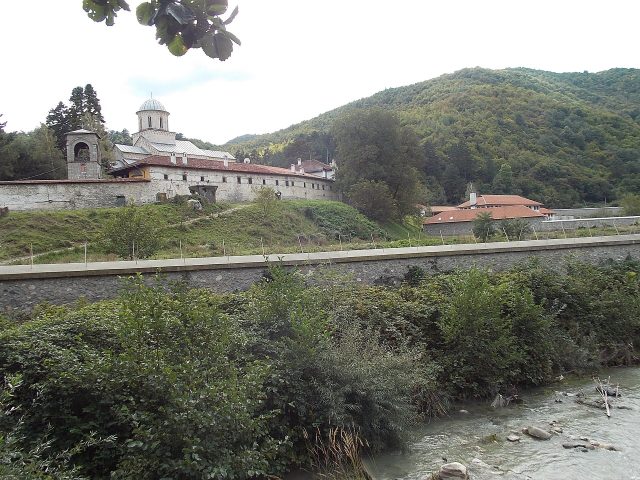
If you want to get to the heart of Pécs, this is where to start. From Szahin Square, the old town unfolds like a map drawn in stories. Narrow streets lead to the Bajrakli Mosque, one of the oldest in Serbia, its minaret standing tall against the sky. A short walk uphill brings you to the Orthodox monastery, its quiet courtyards offering a view of the city below. Or you could wander toward the market, where stalls overflow with spices, dried fruits, and sweets that taste like they’ve been made the same way for centuries. The key is to take your time. Pécs doesn’t rush, and neither should you.
In recent years, more travelers have begun to seek out places like this—corners of the world that feel untouched by mass tourism, where life isn’t curated for visitors but simply exists. For them, Pécs is a revelation, and Szahin Square is the perfect introduction. There are no crowds here, no pushy vendors, no scripted experiences. Just a square where people go about their lives, where the past lingers in the cracks of the cobblestones, and where strangers are welcomed not as tourists but as temporary guests. Maybe that’s why it feels so special. It’s a reminder that travel isn’t just about seeing new places—it’s about seeing them through the eyes of those who call them home.