Palenque
Mexico · 5 places
Photo: Ricraider, CC BY-SA 3.0
Nestled in the lush jungles of southern Mexico, where the Chiapas highlands gently give way to lowland plains, Palenque feels like a place suspended in time. It’s a small town, but its name carries weight—known to anyone who has ever been curious about the Maya. Here, amid dense foliage and the thick, humid air, lies one of Mesoamerica’s most striking archaeological sites, the ruins of a once-great city that served as the heart of a powerful kingdom. Unlike the bustling tourist hubs of Cancún or Mexico City, Palenque retains a quiet, almost mystical atmosphere. The past doesn’t just linger here; it breathes, and every step along the ancient stone paths feels like an echo of those who walked them centuries ago.
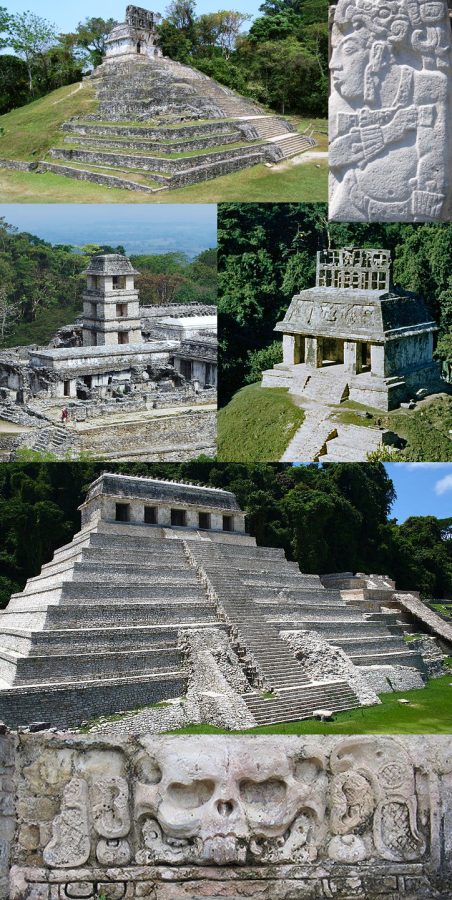
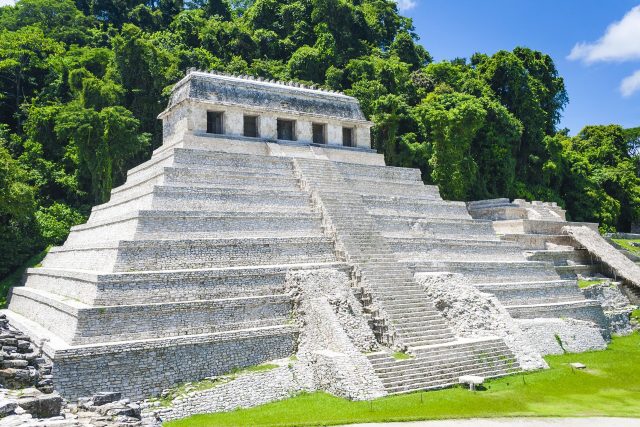
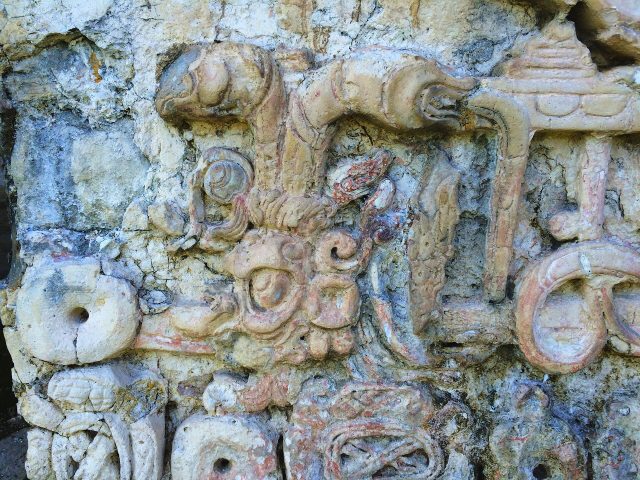
The ruins of Palenque are far more than a collection of weathered stones. They are a masterpiece of Maya architecture and engineering, a testament to a civilization that thrived in harmony with its surroundings. The centerpiece is the Palace, with its iconic tower—some believe it was an observatory, others a ceremonial space. Inside, intricate carvings depict rulers of old, while narrow corridors and staircases lead into dimly lit chambers where decisions that shaped an empire were once made. Nearby, the Temple of the Inscriptions looms, its secrets hidden beneath the surface. This is where the tomb of Pakal the Great, one of the most renowned Maya rulers, was discovered. His sarcophagus, adorned with elaborate carvings, remains one of the most significant archaeological finds of the 20th century. Exploring the site takes hours, yet even that feels like barely scratching the surface of its grandeur.
Modern Palenque is a town that moves at its own unhurried pace. The streets are narrow, the buildings low, and the central square—with its church and bustling market—serves as the heart of daily life. Here, visitors and locals mix easily, sharing space without fuss. The market is the place to try traditional dishes like tamales wrapped in banana leaves or a steaming bowl of pozole, a spicy soup made with corn and meat. Many of the town’s residents are descendants of the Maya or mestizos, and while some work as guides or sell handmade crafts, they do so with a quiet dignity, never pushy. As evening falls, the town grows still, and the sounds of the jungle take over, a reminder that civilization here is just a thin layer over something far older.
Beyond the town, the surrounding national parks and reserves offer a glimpse of Mexico’s wild beauty. Waterfalls like Misol-Ha and Agua Azul draw those eager to swim in natural pools, their turquoise waters cascading through the greenery. The jungles teem with life—howler monkeys swing through the trees, toucans flash their vibrant beaks, and if you’re lucky (or unlucky, depending on your perspective), you might even spot a jaguar. For those wanting to delve deeper into Maya culture, nearby villages still live by ancient traditions. Here, rituals involving cacao are performed, hammocks are woven by hand, and corn is grown just as it was centuries ago. Palenque isn’t just a place to touch history; it’s a place to see how that history is still alive, shaping the present in quiet, enduring ways.
See & Do
All of them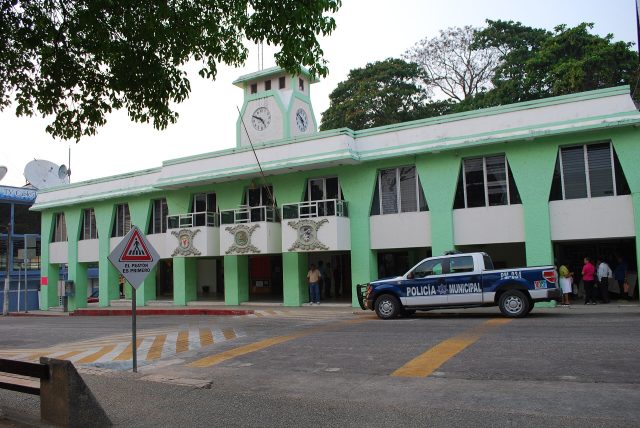
Places on the map
Marker colour follows the categoryClimate and weather
Detailed weather: Palenque- Average temperature
- 28 °C
- Precipitation per year
- 1870 mm
- Sunshine hours per day
- 4.8 h
Average air temperature
°C
25
26
28
30
31
30
30
29
29
28
26
25
Jan
Feb
Mar
Apr
May
Jun
Jul
Aug
Sep
Oct
Nov
Dec