Vá
Ghana · 8 places
Photo: Dennis Sylvester Hurd, CC0
Wa is one of those places that rarely makes it onto the usual tourist maps, and that’s exactly what makes it worth visiting. Tucked away in Ghana’s northwest, it’s a city that moves to its own quiet rhythm, far from the crowds and the polished itineraries of more famous destinations. There are no souvenir hawkers here, no overpriced cafes with menus in five languages—just the steady pulse of daily life, where mornings begin with the hum of the market and evenings fade into the distant beat of drums. Officially, Wa is the capital of the Upper West Region, but its significance runs deeper than any administrative label. For those who live here, it’s a place that feels like the heart of something much larger.
The city sits on rolling hills, surrounded by savanna that makes its presence known with warm winds and the scent of dry grass. The architecture is simple but striking—clay houses with flat roofs, their walls adorned with geometric patterns, stand alongside more recent concrete and corrugated iron structures. A few colonial-era buildings linger in the center, though they don’t demand attention; they’ve settled into the landscape over time, as if they’ve always belonged. The main street leading to the market comes alive around midday, when vendors spread their goods across the ground: bolts of brightly colored fabric, piles of spices, fresh produce, and the occasional curiosity like dried insects or bundles of medicinal herbs. The pace is unhurried, the kind where a transaction might stretch into a conversation, and a purchase could turn into an invitation for tea.
Wa is also a gateway to the traditions of the Wala people, who have shaped the city’s culture for generations. Their customs are still woven into everyday life, especially during festivals like Kobine, a harvest celebration where masked dancers fill the streets and the air thrums with drumbeats and songs in local languages. Even outside of festival season, the influence of the Wala is everywhere—in the patterns on woven cloth, in the way people greet each other, in the care they take in decorating their homes. The locals are warm and open, but never pushy; they’ll happily share stories about their city if you show interest, but they won’t insist on your company. It’s a place where hospitality feels natural, not performative.
The market is the city’s beating heart, bustling most days but especially lively on Saturdays. Here, you can find everything from fresh meat and fish to handcrafted jewelry and textiles. Bargaining is part of the ritual, but it’s never rushed—more like a dance of offers and counteroffers, punctuated by laughter and shared cups of tea. Nearby stands one of the region’s oldest mosques, its minaret rising above the rooftops, a quiet reminder of Wa’s history as a crossroads of cultures and faiths. If you’re lucky, you might stumble upon artisans at work, weaving fabric on traditional looms or shaping intricate beads from recycled glass. The market isn’t just a place to shop; it’s where the city’s stories unfold.
Beyond Wa’s limits, the surrounding countryside offers glimpses of a Ghana that feels untouched by time. Small villages like Navrongo, home to ancient rock paintings considered sacred by locals, or Loripe, where life still follows old customs and homes are built from clay and thatch, are just a short trip away. The roads aren’t always smooth, but the journey is worth it for those who want to see the country as it was decades ago. There are no luxury hotels or restaurants serving imported cuisine, but guesthouses run by local families offer something far more memorable: simple, hearty meals and conversations that linger long after the plates are cleared. It’s the kind of place where you might learn how to cook a traditional dish or hear folktales that don’t appear in any guidebook.
What makes Wa special is its unhurried pace. There’s no need to rush from one attraction to the next; the city reveals itself slowly, in small moments. A morning walk through empty streets as the town wakes up, an afternoon spent in the shade of a tree with a cup of strong local tea, an evening gathered around a fire with neighbors sharing stories to the strum of a guitar or the rhythm of a drum. Wa won’t leave you with the kind of stories you’ll excitedly recount to everyone back home, but it will stay with you in a quieter way—for its authenticity, its lack of pretense, and the sense that here, life is lived on its own terms.
See & Do
All of them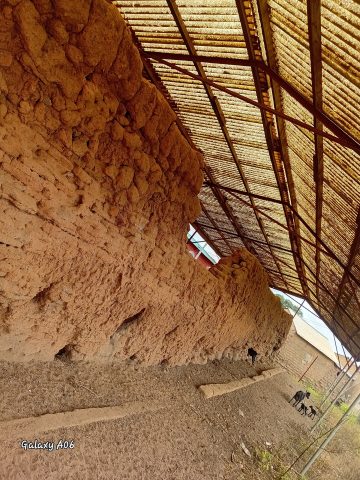

Places on the map
Marker colour follows the categoryClimate and weather
Detailed weather: Vá- Average temperature
- 29 °C
- Precipitation per year
- 1190 mm
- Sunshine hours per day
- 5.7 h
Average air temperature
°C
29
31
33
32
30
28
27
26
27
28
29
28
Jan
Feb
Mar
Apr
May
Jun
Jul
Aug
Sep
Oct
Nov
Dec